-
 DIY: Video master classes
-
 Aromatherapy
-
 Felting master classes
-
 Eating at home
-
 DIY cosmetics for children
-
 Cooking recipes
-
 Detergents, cleaning products with your own hands
-
 Soap making as a business
-
 Natural cosmetics. Raw materials for cosmetics and soap.
-
 Natural oils in cosmetics
-
 News
-
 Recipes for balms and conditioners
-
 Bath Bomb Recipes
-
 Cream recipes. Cream making.
-
 Lotion recipes. Gel recipes.
-
 Mask recipes
-
 Soap recipes. Base soap. Soap from scratch.
-
 Recipes for all occasions
-
 Natural shampoo recipes
-
 Healthy Nutrition Recipes
-
 Scrub recipes. Massage tiles. Ubtan
-
 DIY candles
-
 Reference materials, questions, tips
-
 Startup - soap production
-
 Hair care. Tips, recipes
-
 Facial skin care. Cleansers.
-
 Body care. Tips, recipes
-
 Photo Reviews
-
 Chocolate Handmade


Azelaic Acid and Zinc PCA Serum
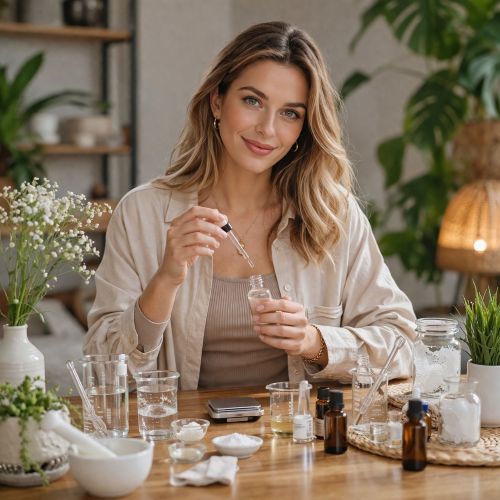 Serum with azelaic acid and zinc PCA has become a cornerstone in modern dermatological care for oily and sensitive skin types. Azelaic acid is a naturally occurring dicarboxylic acid that offers a unique triple action effect: it is antibacterial, anti-inflammatory, and keratolytic. When paired with zinc PCA, a physiological seboregulator that combines the healing power of zinc with the hydrating properties of pyrrolidone carboxylic acid, the result is a high-performance formula that targets the root causes of skin imperfections without the harshness of traditional acids.
In this professional article we will analyze the molecular synergy of these actives and provide three laboratory grade recipes for creating stable therapeutic serums at home.
Beneficial Properties and Molecular Synergy of Azelaic Acid and Zinc PCA
The primary function of azelaic acid in a serum is to normalize the keratinization process within the pores. This prevents the buildup of dead skin cells that lead to comedones. Unlike many other acids azelaic acid specifically targets the Propionibacterium acnes bacteria while simultaneously inhibiting the enzyme tyrosinase which helps to fade post-inflammatory hyperpigmentation. Its gentle nature makes it one of the few acids suitable for skin suffering from rosacea as it reduces the redness and swelling associated with the condition.
Zinc PCA acts as the perfect balancing partner. Zinc is essential for tissue repair and controlling inflammation while the PCA component is a key part of the skin natural moisturizing factor. Together they significantly reduce sebum production by inhibiting the 5-alpha reductase enzyme. This dual approach ensures that the skin remains matte and clear while the acid works on refining the texture and evening out the tone.
Advantages of Custom Serum Formulations Over Industrial Analogs
One of the most significant challenges with industrial azelaic acid products is the texture. Azelaic acid is notorious for its poor solubility in water which often leads to gritty or chalky textures in mass-market creams. Manufacturers frequently use high amounts of silicones or alcohols to mask this which can further irritate compromised skin. By formulating your own serum you can use advanced solubilizers and propanediol to achieve a silky transparent finish that absorbs instantly.
Furthermore many commercial products contain zinc in the form of zinc oxide or simple salts which can be drying. Custom formulation allows for the use of zinc PCA which is much more bioavailable and hydrating. You also have the freedom to exclude synthetic fragrances and harsh preservatives that are common in industrial acne treatments. This makes your handmade serum significantly more effective for long-term barrier maintenance.
Technical Nuances of Preparation for Azelaic Acid Serums
The most critical nuance in preparing an azelaic acid serum is ensuring complete dissolution. Azelaic acid requires a specific solvent such as propanediol or ethoxydiglycol to remain stable in a liquid state. If it is not dissolved correctly the serum will feel grainy on the skin and the active ingredient will not be absorbed effectively. It is best to dissolve the acid in a solvent at room temperature before adding it to the water phase.
The second crucial factor is the pH level. For azelaic acid to be effective yet non-irritating the final pH of the serum should be between 4.8 and 5.2. Zinc PCA is also sensitive to pH shifts; if the environment becomes too acidic the zinc ions can lose their stability. Regular testing with a digital pH meter during the preparation process is mandatory to ensure the formula is both safe and active.
Recipe One Intensive Anti-Acne Concentrate
This high-strength formula is designed for oily skin types struggling with active breakouts and excessive shine.
Composition Fifty milliliters distilled water Ten grams azelaic acid powder Twenty milliliters propanediol One gram zinc PCA Five milliliters niacinamide solution One gram xanthan gum Eco-preservative
Preparation Step one Sanitize all glass beakers and stirring tools with seventy percent alcohol and allow them to dry completely. Step two Combine the azelaic acid powder with the propanediol in a small beaker and stir for ten minutes until the powder is fully dissolved and the liquid is clear. Step three In a separate larger beaker dissolve the zinc PCA and niacinamide into the distilled water. Step four Slowly pour the azelaic acid solution into the water phase while stirring continuously to prevent any precipitation. Step five Sprinkle the xanthan gum over the surface and use a mini mixer to create a stable gel-like consistency. Step six Add the eco-preservative and check the pH adjusting it to 5.0 using a citric acid solution if necessary. Step seven Transfer the serum into a dark glass dropper bottle for storage.
Recipe Two Soothing Fluid for Rosacea and Redness
A gentle formula focused on reducing inflammation and strengthening the vascular walls of sensitive skin.
Composition Sixty milliliters chamomile hydrosol Five grams azelaic acid Fifteen milliliters propanediol Zero point five grams zinc PCA Five milliliters centella asiatica extract One gram hyaluronate sodium Preservative
Preparation Step one Prepare a sterile laboratory workspace and ensure all ingredients are weighed accurately. Step two Mix the azelaic acid with propanediol until the solution is transparent and free of crystals. Step three Dissolve the zinc PCA and centella asiatica extract into the chamomile hydrosol. Step four Slowly introduce the acid solution into the hydrosol base while stirring by hand with a glass rod. Step five Add the hyaluronate sodium and allow it to hydrate for forty minutes to create a silky fluid texture. Step six Incorporate the preservative and verify that the pH is in the range of 5.2 for maximum soothing effect. Step seven Package the fluid in a vacuum pump bottle to protect the botanical extracts from light.
Recipe Three Post-Acne Correction and Brightening Serum
This serum targets the red and dark spots left behind after breakouts while preventing new imperfections.
Composition Fifty milliliters rose hydrosol Seven grams azelaic acid Fifteen milliliters propanediol One gram zinc PCA Five milliliters licorice root extract Two milliliters panthenol One gram konjac gum Preservative
Preparation Step one Clean and disinfect your workspace and laboratory instruments. Step two Dissolve the azelaic acid in the propanediol ensuring a completely smooth liquid. Step three Mix the rose hydrosol with the licorice extract panthenol and zinc PCA. Step four Combine the two phases slowly ensuring that the mixture remains clear and homogeneous. Step five Add the konjac gum and use a mixer to achieve a lightweight cooling serum texture. Step six Add the preservative and stir for two minutes to ensure full protection of the formula. Step seven Store the finished serum in a cool dark place away from direct sunlight.
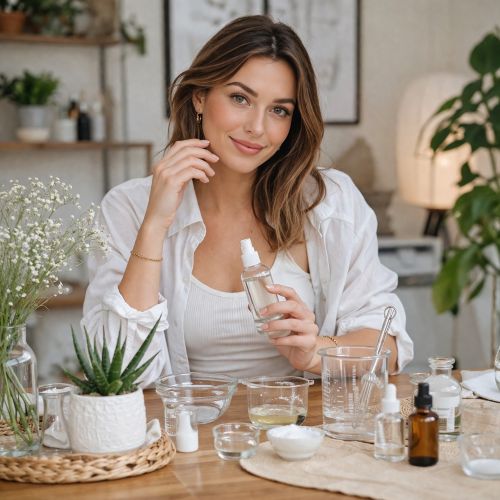
Detailed Recommendations for Application and Layering
Serum with azelaic acid and zinc PCA should be introduced gradually into your skincare routine. Start by applying it once every two days in the evening to allow your skin to adjust to the active acid. Once your skin builds tolerance you can move to daily application. Apply a few drops to a clean dry face avoiding the immediate eye area. A slight tingling sensation during the first few minutes of application is normal and indicates that the azelaic acid is active.
Because azelaic acid can be slightly drying it is essential to follow the serum with a hydrating cream or a ceramide-based moisturizer. This serum layers well under sunscreen which is mandatory during the day as acids can increase the skin sensitivity to UV rays. Avoid combining this serum in the same application as strong glycolic or salicylic acids to prevent over-exfoliation and barrier damage.
Guidelines for Storage and Maintaining Product Stability
The stability of azelaic acid and zinc PCA depends heavily on the storage environment. Custom serums should be kept in a cool dark place. Avoid storing them in the bathroom where heat and humidity fluctuations can cause the ingredients to separate or the acid to recrystallize. A temperature range between fifteen and twenty degrees Celsius is ideal for maintaining the liquid state of the acid.
The shelf life for these professional handmade serums is typically three to four months when a high-quality preservative is used. Always ensure the cap is tightly closed after use to prevent the solvent from evaporating. If you notice a gritty texture developing or a significant change in odor discard the product. Using opaque glass or airless pump dispensers is the most effective way to ensure your serum remains active and safe throughout its entire use.


Cosmetic ingredients and professional formulation blog
This section features expert materials on modern cosmetic actives. We cover peptides, polynucleotides PDRN, different forms of hyaluronic acid, retinoids, ceramides and other key components.
Special focus is given to active stability, ingredient compatibility and correct incorporation into formulas. You will find practical guides on working with anti-age actives, moisturizing complexes and barrier repair ingredients.
We examine how to properly combine myorelaxants with peptides, common mistakes when using unstable vitamin C forms and ways to improve the performance of moisturizing actives.
Separate materials are dedicated to base oils, extracts, emulsifiers and supporting ingredients. This helps create stable and effective formulas for both professional and home cosmetics.
The blog regularly publishes reviews of trending actives, comparisons of similar ingredients and step-by-step formulation recommendations. The content is aimed at formulators, technologists and anyone seriously involved in creating cosmetic products.
Why this blog is useful
Here you will find practical data on eye area care actives, lifting systems and ingredients that improve skin firmness and tone. We rely on real formulation experience and address the actual challenges that arise during product development.
You can also explore materials on skin protection and repair, depigmentation and anti-inflammatory actives. This approach supports a more systematic selection of ingredients.
FAQ
What topics are covered most often
The blog focuses on peptides, PDRN, hyaluronic acid of different molecular weights, retinoids, ceramides and their compatibility rules.
Are there practical recommendations on how to incorporate actives
Yes, most articles include practical notes on pH stability, incorporation temperature and common formulation mistakes.
Is the content only for professionals
The materials are useful both for formulators and technologists and for those who create cosmetics for personal use and want to understand how modern ingredients work.
Where can I go directly to the ingredients
All key actives are collected in the Actives section, while base components are available in base oils and related categories.



