-
 DIY: Video master classes
-
 Aromatherapy
-
 Felting master classes
-
 Eating at home
-
 DIY cosmetics for children
-
 Cooking recipes
-
 Detergents, cleaning products with your own hands
-
 Soap making as a business
-
 Natural cosmetics. Raw materials for cosmetics and soap.
-
 Natural oils in cosmetics
-
 News
-
 Recipes for balms and conditioners
-
 Bath Bomb Recipes
-
 Cream recipes. Cream making.
-
 Lotion recipes. Gel recipes.
-
 Mask recipes
-
 Soap recipes. Base soap. Soap from scratch.
-
 Recipes for all occasions
-
 Natural shampoo recipes
-
 Healthy Nutrition Recipes
-
 Scrub recipes. Massage tiles. Ubtan
-
 DIY candles
-
 Reference materials, questions, tips
-
 Startup - soap production
-
 Hair care. Tips, recipes
-
 Facial skin care. Cleansers.
-
 Body care. Tips, recipes
-
 Photo Reviews
-
 Chocolate Handmade


Raw materials for cosmetics how to find a reliable supplier with international delivery
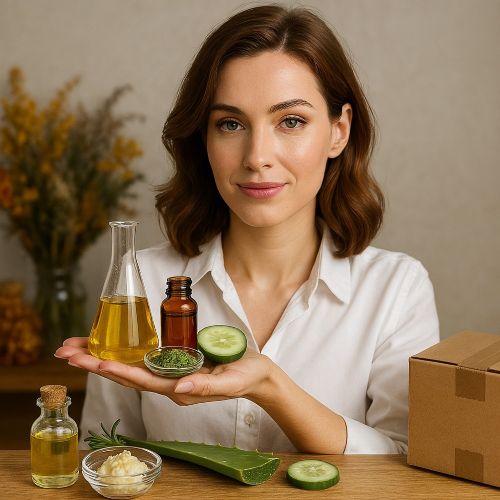 The burgeoning world of DIY and artisan cosmetics has empowered individuals to take control of their skincare routines. By crafting your own products, you gain full transparency over ingredients, allowing you to avoid harmful chemicals, customize formulas to your specific needs, and create truly unique items. However, the foundation of this creative process lies in one crucial step: finding a reliable supplier for your raw materials. Sourcing high-quality ingredients with a reliable international delivery service is a challenge many face. This article provides a comprehensive guide to navigating this process, detailing the nuances of supplier selection, offering three detailed recipes, and highlighting the undeniable benefits of a truly personalized approach to beauty.
The Importance of Sourcing Quality Ingredients
The efficacy and safety of any cosmetic product are directly tied to the quality of its raw materials. A good emulsifier ensures a stable cream, a pure oil provides potent nourishment, and a reliable preservative protects against microbial growth. Poor quality or contaminated ingredients can lead to ineffective products, skin irritations, or even health risks. Therefore, your journey as a formulator begins not with a recipe, but with a trustworthy supplier.
A Step-by-Step Guide to Finding Your Ideal Supplier
Finding the right supplier is a process that requires due diligence and a clear understanding of your needs.
Phase 1: Research and Identification
Define your needs. Before you start searching, list the types of ingredients you require. Are you looking for natural oils and butters, or do you need advanced actives like niacinamide and peptides? Knowing your focus will help narrow down your options.
Search online communities. Join forums, Facebook groups, and Reddit communities dedicated to DIY cosmetics and skincare. Experienced formulators often share recommendations, reviews, and warnings about various suppliers.
Conduct a strategic search. Use specific keywords in your search engine. Combine terms like "cosmetic raw materials," "DIY skincare ingredients," "bulk ingredients," and "international shipping" to find suppliers who cater to a global audience.
Phase 2: Vetting and Verification
Check for certifications and documentation. A reputable supplier should be transparent about their product's origin and quality. Look for a public declaration of certifications like ECOCERT, Cosmos, or USDA Organic for natural ingredients. More importantly, they should provide Technical Data Sheets (TDS) and Safety Data Sheets (SDS) for their products. This documentation is your guarantee of quality and safety.
Examine their website and reviews. A professional website with clear product descriptions, usage rates, and INCI names is a good sign. Search for independent reviews on blogs and forums to gauge customer satisfaction, delivery times, and product consistency.
Contact customer service. Before placing a large order, send an email or make a call to their customer support. Ask about their international shipping policies, packaging, and any customs-related issues. A responsive and knowledgeable team is a strong indicator of a reliable company.
Phase 3: International Delivery and Logistics
Understand shipping costs and customs. International delivery costs can be substantial. Get a clear quote on shipping fees and be aware of any import taxes or duties that may apply in your country. These charges can significantly increase the final cost.
Inquire about packaging. Proper packaging is essential, especially for fragile glass bottles and sensitive liquids. Ask if they use sturdy containers and if they offer any insulation or special handling for temperature-sensitive products.
Start small. Place a small, initial order to test the quality of their products, the accuracy of their order fulfillment, and the efficiency of their international shipping process before committing to a larger, more expensive purchase.
Advantages of Sourcing Your Own Raw Materials
Beyond the joy of creation, sourcing your own ingredients provides numerous benefits that mass-produced cosmetics cannot match.
-
Complete Quality Control: You know exactly what goes into your products. You can avoid cheap fillers, synthetic fragrances, and preservatives you don't trust, ensuring your cosmetics are as clean as you desire.
-
Cost-Effectiveness: Buying raw materials in larger quantities often results in a lower cost per gram compared to purchasing finished, high-end products.
-
Unmatched Customization: You can tailor your formulas to your precise skin type, a specific skin condition, or a desired texture and fragrance. This level of personalization is simply not possible with commercial products.
-
Potency and Freshness: By making small batches at home, you ensure the freshness of your ingredients and the potency of your final product, maximizing its efficacy.
Three Detailed Recipes for Using Your Sourced Ingredients
These recipes demonstrate how to use ingredients you can find from reliable suppliers to create high-quality, effective products.
Recipe 1: Soothing Chamomile & Green Tea Facial Toner
This toner is perfect for calming and preparing the skin after cleansing, using ingredients known for their anti-inflammatory and antioxidant properties.
-
Weigh your hydrosol. In a clean, sterilized beaker, weigh 90g of chamomile hydrosol.
-
Add the glycerin and extracts. Add 5g of vegetable glycerin and 3g of green tea extract to the hydrosol. Stir gently until all components are fully mixed.
-
Add the preservative. Add 2g of a broad-spectrum preservative like Geogard 221 to the mixture. Stir for a full minute to ensure it is evenly distributed.
-
Check the pH and transfer. Use a pH strip to check the pH of your toner, adjusting if necessary to a range of 5.0-5.5. Pour the finished toner into a sterilized spray bottle.
Recommendations for Use: After cleansing, mist the toner onto your face before applying a serum or moisturizer. It can also be used throughout the day to refresh the skin.
Storage: Store in a cool, dark place, away from direct sunlight. The preservative ensures a shelf life of 3-6 months.
Recipe 2: Hydrating Vitamin B3 (Niacinamide) & Hyaluronic Acid Serum
This serum is a powerful active treatment that helps to improve skin barrier function, reduce redness, and provide deep hydration.
-
Prepare the water phase. In a clean beaker, weigh 85g of distilled water and warm it gently to about 40°C.
-
Add the active ingredients. Slowly add 5g of niacinamide powder to the warm water, stirring until it is completely dissolved. Add 2g of low-molecular-weight hyaluronic acid powder, stirring continuously until it thickens and forms a gel.
-
Incorporate the glycerin and preservative. Add 5g of vegetable glycerin and 3g of a broad-spectrum preservative like Euxyl PE 9010. Stir for a full minute to ensure even distribution.
-
Check the pH and transfer. The ideal pH for niacinamide is around 6.0. Use a pH strip to verify and adjust if needed. Pour the finished serum into a sterilized airless pump bottle.
Recommendations for Use: Apply a few drops to clean skin, morning and night, before your moisturizer.
Storage: Store in a cool, dark place. The preservative is critical for this water-based formula. The shelf life is 3-6 months.
Recipe 3: Rich & Protective Whipped Body Butter
This anhydrous body butter uses plant-based oils and butters to deeply moisturize and protect the skin. It does not contain water, so a preservative is not needed.
-
Weigh and melt the butters. In a double boiler, weigh 60g of shea butter and 20g of cocoa butter. Melt until fully liquid.
-
Add the carrier oil and vitamin E. Remove the melted butters from heat. Add 15g of sweet almond oil and 5g of vitamin E. Stir to combine.
-
Cool and whip. Place the mixture in the refrigerator for about 30-45 minutes until it begins to solidify around the edges but is still soft in the middle. Using a hand mixer, whip the mixture for 5-10 minutes until it becomes light, fluffy, and doubles in volume.
-
Transfer to a jar. Spoon the finished whipped body butter into a clean, sterilized jar.
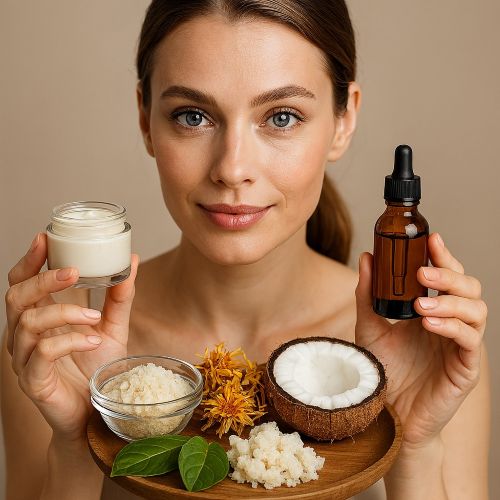 Recommendations for Use: Apply a small amount to clean, dry skin. A little goes a long way. It is especially effective on dry areas like elbows, knees, and feet.
Storage: Store in a cool, dark place, away from direct sunlight. The vitamin E acts as an antioxidant to extend the shelf life to about 6-12 months.
Conclusion: Your Path to Truly Custom Skincare
Finding a reliable supplier for cosmetic raw materials is the first and most critical step toward becoming a successful formulator. By taking the time to research, vet, and understand the logistics of international delivery, you unlock a world of possibilities. Sourcing your own ingredients empowers you to create products that are not only pure and effective but also a genuine expression of your creativity and commitment to a healthier, more personalized approach to beauty.


Cosmetic ingredients and professional formulation blog
This section features expert materials on modern cosmetic actives. We cover peptides, polynucleotides PDRN, different forms of hyaluronic acid, retinoids, ceramides and other key components.
Special focus is given to active stability, ingredient compatibility and correct incorporation into formulas. You will find practical guides on working with anti-age actives, moisturizing complexes and barrier repair ingredients.
We examine how to properly combine myorelaxants with peptides, common mistakes when using unstable vitamin C forms and ways to improve the performance of moisturizing actives.
Separate materials are dedicated to base oils, extracts, emulsifiers and supporting ingredients. This helps create stable and effective formulas for both professional and home cosmetics.
The blog regularly publishes reviews of trending actives, comparisons of similar ingredients and step-by-step formulation recommendations. The content is aimed at formulators, technologists and anyone seriously involved in creating cosmetic products.
Why this blog is useful
Here you will find practical data on eye area care actives, lifting systems and ingredients that improve skin firmness and tone. We rely on real formulation experience and address the actual challenges that arise during product development.
You can also explore materials on skin protection and repair, depigmentation and anti-inflammatory actives. This approach supports a more systematic selection of ingredients.
FAQ
What topics are covered most often
The blog focuses on peptides, PDRN, hyaluronic acid of different molecular weights, retinoids, ceramides and their compatibility rules.
Are there practical recommendations on how to incorporate actives
Yes, most articles include practical notes on pH stability, incorporation temperature and common formulation mistakes.
Is the content only for professionals
The materials are useful both for formulators and technologists and for those who create cosmetics for personal use and want to understand how modern ingredients work.
Where can I go directly to the ingredients
All key actives are collected in the Actives section, while base components are available in base oils and related categories.



