-
 DIY: Video master classes
-
 Aromatherapy
-
 Felting master classes
-
 Eating at home
-
 DIY cosmetics for children
-
 Cooking recipes
-
 Detergents, cleaning products with your own hands
-
 Soap making as a business
-
 Natural cosmetics. Raw materials for cosmetics and soap.
-
 Natural oils in cosmetics
-
 News
-
 Recipes for balms and conditioners
-
 Bath Bomb Recipes
-
 Cream recipes. Cream making.
-
 Lotion recipes. Gel recipes.
-
 Mask recipes
-
 Soap recipes. Base soap. Soap from scratch.
-
 Recipes for all occasions
-
 Natural shampoo recipes
-
 Healthy Nutrition Recipes
-
 Scrub recipes. Massage tiles. Ubtan
-
 DIY candles
-
 Reference materials, questions, tips
-
 Startup - soap production
-
 Hair care. Tips, recipes
-
 Facial skin care. Cleansers.
-
 Body care. Tips, recipes
-
 Photo Reviews
-
 Chocolate Handmade


Dry Flavorings: What are they and why are they needed?
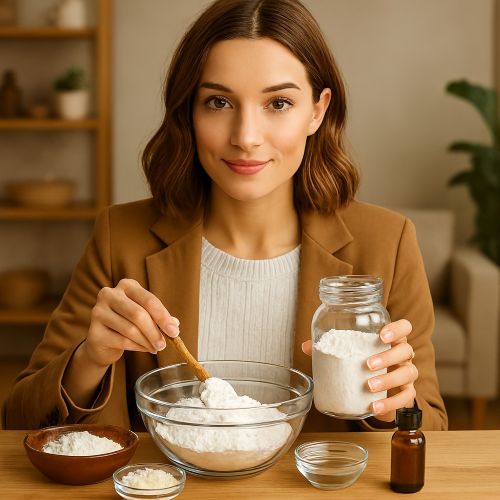 The world of perfumery and cosmetics is traditionally dominated by liquid essences oils and alcohol based sprays. However a revolutionary category known as dry fragrances is gaining significant traction among professional makers and hobbyists alike. Dry fragrances are concentrated aromatic compounds or natural essential oils that have been absorbed into a solid carrier or encapsulated within a protective microscopic shell. These carriers can include modified starches cyclodextrins silica or mineral powders.
Understanding dry fragrances what they are and why they are needed is essential for anyone looking to create stable high quality products. This form of scenting allows for the aromatization of anhydrous or water free formulas without compromising their texture or shelf life. In this comprehensive guide we will explore the science behind powdered scents and provide practical recipes for integrating them into your daily self care routine.
Technical Nuances and the Science of Encapsulation
The most advanced dry fragrances utilize a process called microencapsulation. In this process tiny droplets of fragrance oil are coated with a polymer or starch shell. This shell acts as a barrier protecting the volatile scent molecules from oxidation heat and light. The scent is only released when the shell is broken through friction moisture or a specific temperature change.
Unlike liquid fragrances which often evaporate quickly upon application dry fragrances offer a controlled release mechanism. This means a product can remain fragrant for months while sitting on a shelf and then provide a burst of aroma when applied to the skin. This technology is particularly beneficial for products where moisture must be avoided at all costs to prevent bacterial growth or chemical reactions.
Beneficial Properties and Advantages Over Industrial Analogs
Dry fragrances offer several distinct advantages over traditional industrial liquid perfumes and aerosol sprays. Most mass market air fresheners and body sprays rely on synthetic solvents and alcohol which can be irritating to the respiratory system and drying to the skin. Dry fragrances are chemically inert and do not require these harsh carriers.
One of the primary benefits is the absence of alcohol and preservatives. Because the fragrance is locked in a solid state it is much less prone to rancidity and spoilage. Furthermore dry fragrances do not cause the greasy stains on clothing or hair that often occur with oil based perfumes. They provide a sophisticated subtle scent profile that evolves over time rather than a sharp chemical hit that fades within minutes.
Recipe One Luxury Botanical Sachet for Linens
This recipe uses dry fragrance powders to create long lasting drawer sachets that maintain their scent for up to six months.
Ingredients One hundred grams of rice starch or fine talc ten grams of rose or peony dry fragrance concentrate five grams of dried lavender buds cotton or linen drawstring pouch.
Step one Place the rice starch in a clean glass bowl and ensure there are no clumps in the powder. Step two Add the dry fragrance concentrate to the starch and stir thoroughly using a wooden or plastic spatula until the mixture is completely uniform. Step three Incorporate the dried lavender buds which act as a secondary natural fixative for the scent. Step four Transfer the mixture into a glass jar and seal it tightly for twenty four hours to allow the powder to fully absorb the aromatic compounds. Step five Fill the cotton pouch with the scented powder and tie it securely. Step six Place the sachet in a wardrobe or linen closet where the movement of clothes will gently trigger the release of the fragrance.
Recipe Two Refreshing Vanilla Dry Shampoo
Powdered fragrances allow you to create a hair care product that cleanses and perfumes simultaneously without the use of aerosols.
Ingredients Fifty grams of cornstarch thirty grams of kaolin clay five grams of vanilla dry fragrance powder two grams of cocoa powder for dark hair or arrowroot powder for light hair.
Step one Sift the cornstarch and kaolin clay through a fine mesh strainer to ensure a silky texture. Step two Add the vanilla dry fragrance powder to the base and whisk until the scent is distributed evenly. Step three Add the color correcting agent such as cocoa powder if you are formulating for darker hair tones. Step four Stir the mixture for several minutes to ensure that the microscopic scent capsules are not clumped together. Step five Transfer the dry shampoo into a powder shaker or a clean spice jar with a perforated lid. Step six Apply to the roots of the hair and massage gently. The friction from your fingers will activate the fragrance providing a fresh scent all day.
Recipe Three Effervescent Tropical Bath Bombs
Using dry fragrances in bath bombs prevents the premature fizzing reaction that can occur when using liquid oils and water based colors.
Ingredients Two hundred grams of baking soda one hundred grams of citric acid fifty grams of sea salt ten grams of coconut dry fragrance powder and a small amount of mica powder for color.
Step one Combine the baking soda citric acid and sea salt in a large non reactive bowl. Step two Add the coconut dry fragrance powder and the mica colorant while wearing gloves to protect your hands. Step three Lightly mist the mixture with a tiny amount of witch hazel until it reaches the consistency of damp sand. Step four Pack the mixture firmly into bath bomb molds ensuring there are no air pockets. Step five Allow the bombs to dry in a low humidity environment for at least twelve hours. Step six When dropped into the water the dry fragrance capsules will dissolve instantly releasing a potent and fresh aroma into the steam of the bath.
Recommendations for Use and Storage
To maintain the potency of dry fragrances you must follow specific storage and handling guidelines.
The greatest enemy of powdered fragrances is moisture. Even small amounts of humidity in the air can cause the powder to clump and the protective capsules to break down prematurely. Always store dry fragrances and finished products in airtight containers made of glass or high quality plastic. The ideal storage temperature is between fifteen and twenty five degrees Celsius in a dark environment.
When formulating new products always add the dry fragrance at the final stage of mixing. If your recipe involves any heating process wait until the mixture has cooled completely to room temperature before adding the powder. This preserves the delicate top notes of the fragrance that might otherwise be lost to heat.
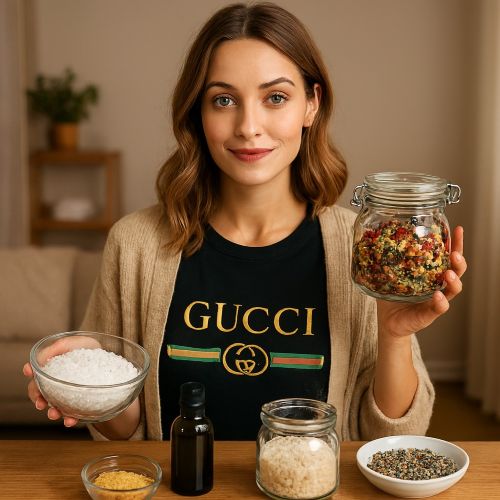
Avoid using metal containers for long term storage as certain aromatic compounds may react with metal ions over time. Glass is always the preferred medium for maintaining the purity of the scent. By following these rules you ensure that your creations remain professional stable and effective.
Final Thoughts on Dry Fragrance Innovation
Dry fragrances represent a significant step forward in cosmetic technology. They provide a cleaner safer and more stable way to introduce scent into our lives. Whether you are building a small business or simply crafting products for personal use mastering the use of these powders will allow you to produce items with a scent longevity and quality that far exceeds standard commercial offerings.
The versatility of dry fragrances across various mediums from textiles to topical cosmetics makes them an invaluable tool for the modern maker. By utilizing the recipes and techniques in this guide you are well on your way to creating professional grade artisanal products.


Cosmetic ingredients and professional formulation blog
This section features expert materials on modern cosmetic actives. We cover peptides, polynucleotides PDRN, different forms of hyaluronic acid, retinoids, ceramides and other key components.
Special focus is given to active stability, ingredient compatibility and correct incorporation into formulas. You will find practical guides on working with anti-age actives, moisturizing complexes and barrier repair ingredients.
We examine how to properly combine myorelaxants with peptides, common mistakes when using unstable vitamin C forms and ways to improve the performance of moisturizing actives.
Separate materials are dedicated to base oils, extracts, emulsifiers and supporting ingredients. This helps create stable and effective formulas for both professional and home cosmetics.
The blog regularly publishes reviews of trending actives, comparisons of similar ingredients and step-by-step formulation recommendations. The content is aimed at formulators, technologists and anyone seriously involved in creating cosmetic products.
Why this blog is useful
Here you will find practical data on eye area care actives, lifting systems and ingredients that improve skin firmness and tone. We rely on real formulation experience and address the actual challenges that arise during product development.
You can also explore materials on skin protection and repair, depigmentation and anti-inflammatory actives. This approach supports a more systematic selection of ingredients.
FAQ
What topics are covered most often
The blog focuses on peptides, PDRN, hyaluronic acid of different molecular weights, retinoids, ceramides and their compatibility rules.
Are there practical recommendations on how to incorporate actives
Yes, most articles include practical notes on pH stability, incorporation temperature and common formulation mistakes.
Is the content only for professionals
The materials are useful both for formulators and technologists and for those who create cosmetics for personal use and want to understand how modern ingredients work.
Where can I go directly to the ingredients
All key actives are collected in the Actives section, while base components are available in base oils and related categories.



