-
 DIY: Video master classes
-
 Aromatherapy
-
 Felting master classes
-
 Eating at home
-
 DIY cosmetics for children
-
 Cooking recipes
-
 Detergents, cleaning products with your own hands
-
 Soap making as a business
-
 Natural cosmetics. Raw materials for cosmetics and soap.
-
 Natural oils in cosmetics
-
 News
-
 Recipes for balms and conditioners
-
 Bath Bomb Recipes
-
 Cream recipes. Cream making.
-
 Lotion recipes. Gel recipes.
-
 Mask recipes
-
 Soap recipes. Base soap. Soap from scratch.
-
 Recipes for all occasions
-
 Natural shampoo recipes
-
 Healthy Nutrition Recipes
-
 Scrub recipes. Massage tiles. Ubtan
-
 DIY candles
-
 Reference materials, questions, tips
-
 Startup - soap production
-
 Hair care. Tips, recipes
-
 Facial skin care. Cleansers.
-
 Body care. Tips, recipes
-
 Photo Reviews
-
 Chocolate Handmade


Salt body scrub - homemade SPA recipe with magnesium salt
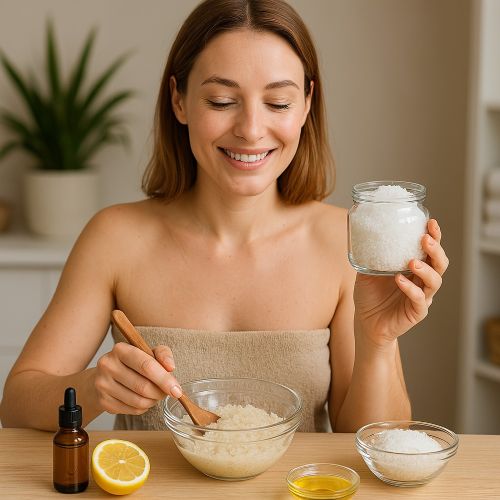 In the quest for smooth, glowing skin and a moment of pure relaxation, a body scrub is an indispensable ally. While countless options line store shelves, there's something truly special about creating your own. A homemade salt body scrub, especially one enriched with magnesium salt, offers a personalized SPA experience right in your bathroom, promising not just exfoliation but also a host of therapeutic benefits.
This comprehensive guide will walk you through the nuances of crafting effective and luxurious salt body scrubs. We will explore the remarkable properties of magnesium salt for skin health, highlight the distinct advantages of DIY scrubs over commercial alternatives, and provide three detailed recipes tailored to different preferences and skin needs. Get ready to transform your skincare routine into a ritual of renewal and deep relaxation.
The Power of Magnesium Salt in Body Scrubs
Magnesium salt, most commonly known as Epsom salt (magnesium sulfate), is celebrated for its therapeutic qualities that extend beyond a simple bath soak. When incorporated into a body scrub, it offers several skin-loving benefits:
- Gentle Exfoliation: The crystalline structure of magnesium salt provides effective physical exfoliation, sloughing away dead skin cells to reveal smoother, softer skin beneath.
- Detoxification: Transdermal absorption of magnesium is believed to help draw toxins from the body, contributing to a sense of lightness and purity.
- Muscle Relaxation: Magnesium is crucial for muscle function. Applied topically, it can help soothe tired muscles and ease tension, making your scrub a truly relaxing experience.
- Reduced Inflammation: Magnesium possesses anti-inflammatory properties, which can be beneficial for soothing irritated skin or reducing minor swelling.
- Improved Skin Texture: Regular exfoliation with magnesium salt can lead to a more even skin tone and smoother surface, enhancing skin's natural radiance.
- Skin Hydration: While salt can be drying, when combined with nourishing oils in a scrub, magnesium can help draw moisture to the skin, promoting better hydration.
Beyond Epsom salt, Dead Sea salt is another excellent source of magnesium and other beneficial minerals, offering similar, if not enhanced, skin benefits due to its unique mineral composition.
Advantages of Homemade Salt Body Scrubs Over Industrial Products
- Ingredient Purity and Control: You select every component, ensuring your scrub is free from synthetic fragrances, dyes, microplastics (often found in commercial exfoliants), parabens, and harsh preservatives. This is particularly beneficial for sensitive skin.
- Freshness and Potency: Homemade scrubs are made in small batches, guaranteeing the freshness and active potency of all ingredients. Commercial products often contain stabilizers and preservatives to extend shelf life, which can sometimes diminish the efficacy of natural components.
- Customization to Your Needs: Adjust the coarseness of the salt, the type and amount of oils, and the essential oil blend to perfectly match your skin type, concerns, and aromatic preferences.
- Cost-Effectiveness: Sourcing raw ingredients is often significantly more economical than continually purchasing high-end commercial scrubs, especially for regular use.
- Environmental Friendliness: Creating your own products reduces packaging waste and supports the use of natural, biodegradable ingredients, aligning with a more sustainable lifestyle.
- Therapeutic Experience: The act of creating your own scrub, combined with the sensory experience of applying it, elevates your self-care routine into a mindful and rewarding practice.
Recipe #1: Classic Magnesium Salt Scrub for Relaxation & Smooth Skin
This is a foundational recipe, perfect for achieving silky-smooth skin while enjoying the calming benefits of magnesium salt.
Ingredients:
- Epsom Salt (fine or medium grain): 1 cup (240g)
- Carrier Oil (e.g., Sweet Almond Oil, Jojoba Oil, or Grapeseed Oil): 1/2 cup (120ml)
- Vitamin E Oil: 1 teaspoon
- Lavender Essential Oil: 10-15 drops (for relaxation)
- Optional: Dried Lavender Buds or Rose Petals: 1 tablespoon (for aesthetic appeal)
Preparation:
- Sterilization: Ensure your mixing bowl, spoon, and the final storage jar are thoroughly sterilized. Wash them with hot, soapy water, rinse well, and then dry completely. For extra precaution, you can quickly rinse with rubbing alcohol and let air dry.
- Combine Salt & Oil: In the sterilized mixing bowl, pour in the Epsom salt. Gradually add the carrier oil, stirring constantly until the salt is fully moistened and has a consistent texture. Avoid over-mixing to prevent the salt from dissolving too much.
- Add Vitamin E & Essential Oil: Stir in the Vitamin E oil, which acts as an antioxidant to help preserve the oils and nourish your skin. Then, add the lavender essential oil. Mix well to distribute the scent evenly.
- Optional Additions: If using, gently fold in the dried lavender buds or rose petals. This adds a beautiful visual element and subtle natural fragrance.
- Transfer to Jar: Carefully spoon the finished scrub into your sterilized airtight glass jar.
Application and Storage:
Use 1-2 times per week. In the shower or bath, after cleansing, apply a generous amount of scrub to damp skin. Gently massage in circular motions, paying extra attention to rough areas like elbows, knees, and feet. Rinse thoroughly with warm water. The oils will leave a hydrating film on your skin. Pat dry with a towel. Store in a cool, dark place (like a bathroom cabinet, but away from direct sunlight) for up to 3 months. Always use a clean, dry spoon to scoop out the scrub to prevent water contamination, which can shorten its shelf life.
Recipe #2: Invigorating Citrus & Magnesium Detox Scrub
This scrub offers a revitalizing boost with citrus essential oils and the detoxifying power of magnesium salt, perfect for a morning pick-me-up or post-workout cleanse.
Ingredients:
- Epsom Salt (medium grain): 1 cup (240g)
- Fractionated Coconut Oil (MCT oil) or Sweet Almond Oil: 1/2 cup (120ml)
- Lemon Essential Oil: 10 drops
- Grapefruit Essential Oil: 10 drops
- Orange Essential Oil: 5 drops
- Lemon Zest (organic, finely grated, optional): 1 teaspoon
Preparation:
- Sterilization: Ensure all equipment and the storage container are meticulously sterilized and completely dry.
- Combine Salt & Oil: In a clean mixing bowl, combine the Epsom salt with the chosen carrier oil. Stir until the salt is evenly coated and the mixture is well-incorporated.
- Add Essential Oils: Carefully add the lemon, grapefruit, and orange essential oils. Stir thoroughly to distribute the invigorating aroma throughout the scrub.
- Optional Zest: If adding lemon zest, gently fold it into the mixture. This adds a natural citrus boost and a subtle exfoliating texture.
- Transfer to Jar: Spoon the vibrant scrub into your sterilized airtight glass jar.
Application and Storage:
Use 1-2 times per week. In the shower, apply to damp skin, gently massaging in circular motions. The citrus essential oils offer an uplifting aromatherapy experience. Rinse off completely. Be mindful that citrus essential oils can be photosensitizing; if using on exposed skin, apply sunscreen afterwards, especially if going into direct sunlight. Store in a cool, dark place for up to 3 months. Keep the jar tightly sealed to preserve the essential oil aromas.
Recipe #3: Nourishing & Calming Magnesium Salt Scrub with Oatmeal
This scrub is designed for skin that needs extra nourishment and a gentle touch, combining the exfoliating benefits of magnesium salt with the soothing properties of colloidal oatmeal.
Ingredients:
- Epsom Salt (fine grain): 3/4 cup (180g)
- Colloidal Oatmeal: 1/4 cup (60g)
- Extra Virgin Olive Oil or Avocado Oil: 1/2 cup (120ml)
- Honey (local, raw): 1 tablespoon
- Chamomile Essential Oil: 5-10 drops (for calming effects)
- Optional: Dried Chamomile Flowers: 1 tablespoon
Preparation:
- Sterilization: As with all homemade cosmetics, thorough sterilization of all tools and containers is paramount.
- Combine Dry Ingredients: In a clean mixing bowl, combine the Epsom salt and colloidal oatmeal. Stir well to ensure they are evenly mixed.
- Mix Wet Ingredients: In a separate small bowl, whisk together the olive/avocado oil and honey until well combined. The honey may be thick, so gently warm it in a microwave or water bath for easier mixing if needed.
- Combine All: Pour the wet ingredient mixture into the dry ingredients. Stir slowly and thoroughly until all the dry components are well coated with the oils and honey, forming a uniform scrub consistency.
- Add Essential Oil & Optional Flowers: Stir in the chamomile essential oil and, if desired, the dried chamomile flowers.
- Transfer to Jar: Spoon the nourishing scrub into your sterilized airtight glass jar.
Application and Storage:
Use once a week. Apply to damp skin in the shower or bath, gently massaging in circular motions. The oatmeal and honey will provide extra soothing and moisturizing benefits. Rinse off thoroughly with warm water. Pat your skin dry. Store in a cool, dark place for up to 2-3 months. Due to the presence of honey (a humectant), it's especially important to keep water out of the jar to prevent spoilage.
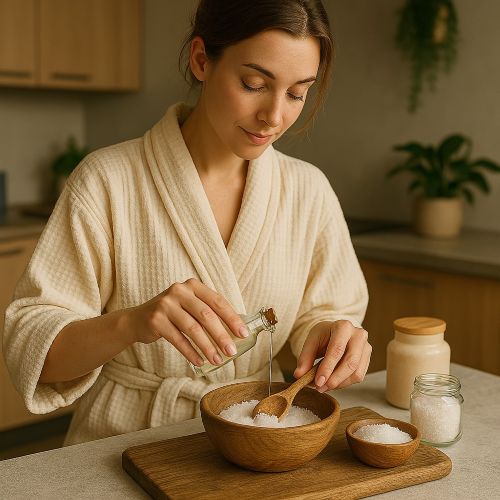
General Recommendations for Using and Storing Homemade Body Scrubs
- Patch Test: Before using any new homemade scrub all over your body, always perform a patch test on a small area of skin (e.g., inner arm or behind the ear) to check for any allergic reactions or irritation.
- Frequency of Use: While tempting to use daily, body scrubs are typically recommended 1-3 times per week, depending on your skin type and sensitivity. Over-exfoliation can lead to irritation or dryness.
- Application: Always apply body scrubs to damp, but not dripping wet, skin. This helps the scrub glide smoothly and reduces friction. Use gentle, circular motions; avoid harsh scrubbing, especially on sensitive areas.
- Rinsing: Ensure you rinse off all scrub particles thoroughly to avoid leaving any residue that could irritate skin or clog pores.
- Moisturize After: After using a body scrub, always follow up with a good body lotion, cream, or oil to lock in moisture and further nourish your newly exfoliated skin.
- Avoid Broken Skin: Never use a scrub on broken, inflamed, sunburned, or freshly shaved skin. Wait until your skin has fully healed.
- Water Contamination: Water is the enemy of oil-based homemade products without strong preservatives. Always use a clean, dry spoon or scoop to retrieve the scrub from the jar. Never let water get into the container, as this can lead to bacterial growth and spoilage.
- Airtight Containers: Store your scrubs in airtight glass jars. This helps prevent oxidation of the oils and preserves the potency of essential oils. Dark-colored glass is even better as it blocks light.
- Temperature: Store in a cool, dark place. For longer shelf life, especially with recipes containing fresh ingredients or less stable oils, refrigeration is recommended.
- Shelf Life: Homemade scrubs typically last from 1 to 3 months, depending on the ingredients and storage. Always observe your scrub for any changes in color, smell, or consistency. If it looks or smells off, it's best to discard it.
Creating your own salt body scrub with magnesium salt is not just a sustainable and cost-effective beauty choice; it's an act of self-care. It allows you to customize your exfoliation experience, embrace natural ingredients, and transform your daily routine into a luxurious home SPA treatment. Enjoy the journey to smoother, softer, and more radiant skin!


Cosmetic ingredients and professional formulation blog
This section features expert materials on modern cosmetic actives. We cover peptides, polynucleotides PDRN, different forms of hyaluronic acid, retinoids, ceramides and other key components.
Special focus is given to active stability, ingredient compatibility and correct incorporation into formulas. You will find practical guides on working with anti-age actives, moisturizing complexes and barrier repair ingredients.
We examine how to properly combine myorelaxants with peptides, common mistakes when using unstable vitamin C forms and ways to improve the performance of moisturizing actives.
Separate materials are dedicated to base oils, extracts, emulsifiers and supporting ingredients. This helps create stable and effective formulas for both professional and home cosmetics.
The blog regularly publishes reviews of trending actives, comparisons of similar ingredients and step-by-step formulation recommendations. The content is aimed at formulators, technologists and anyone seriously involved in creating cosmetic products.
Why this blog is useful
Here you will find practical data on eye area care actives, lifting systems and ingredients that improve skin firmness and tone. We rely on real formulation experience and address the actual challenges that arise during product development.
You can also explore materials on skin protection and repair, depigmentation and anti-inflammatory actives. This approach supports a more systematic selection of ingredients.
FAQ
What topics are covered most often
The blog focuses on peptides, PDRN, hyaluronic acid of different molecular weights, retinoids, ceramides and their compatibility rules.
Are there practical recommendations on how to incorporate actives
Yes, most articles include practical notes on pH stability, incorporation temperature and common formulation mistakes.
Is the content only for professionals
The materials are useful both for formulators and technologists and for those who create cosmetics for personal use and want to understand how modern ingredients work.
Where can I go directly to the ingredients
All key actives are collected in the Actives section, while base components are available in base oils and related categories.



