-
 DIY: Video master classes
-
 Aromatherapy
-
 Felting master classes
-
 Eating at home
-
 DIY cosmetics for children
-
 Cooking recipes
-
 Detergents, cleaning products with your own hands
-
 Soap making as a business
-
 Natural cosmetics. Raw materials for cosmetics and soap.
-
 Natural oils in cosmetics
-
 News
-
 Recipes for balms and conditioners
-
 Bath Bomb Recipes
-
 Cream recipes. Cream making.
-
 Lotion recipes. Gel recipes.
-
 Mask recipes
-
 Soap recipes. Base soap. Soap from scratch.
-
 Recipes for all occasions
-
 Natural shampoo recipes
-
 Healthy Nutrition Recipes
-
 Scrub recipes. Massage tiles. Ubtan
-
 DIY candles
-
 Reference materials, questions, tips
-
 Startup - soap production
-
 Hair care. Tips, recipes
-
 Facial skin care. Cleansers.
-
 Body care. Tips, recipes
-
 Photo Reviews
-
 Chocolate Handmade


How do sunscreens work in cosmetics
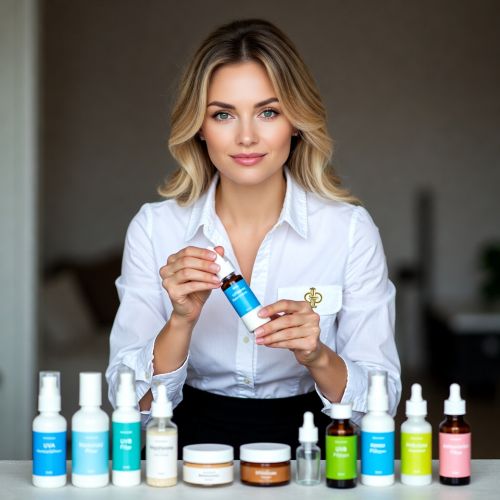 Sunscreen ingredients in cosmetics how filters work is a vital topic for anyone seeking to protect their skin from the damaging effects of ultraviolet radiation. The sun emits different types of rays, primarily UVA and UVB, which contribute to premature aging, DNA damage, and skin cancer. Understanding the mechanism of solar filters allows for the creation of high-performance products that act as a reliable shield, maintaining skin health even under intense sun exposure.
In this professional guide, we will explore the classification of UV filters, the chemistry of their interaction with light, and the technical nuances of producing high-quality SPF products. You will learn how to combine physical and chemical filters to achieve a broad-spectrum effect that ensures maximum safety and comfort.
Mechanisms of Action Physical and Chemical Solar Filters
Physical filters, such as zinc oxide and titanium dioxide, act as mineral mirrors on the surface of the skin. They work by reflecting and scattering UV rays away from the body. These minerals are highly valued in professional skincare because they are photostable, meaning they do not break down when exposed to light, and they are generally non-irritating, making them perfect for sensitive or children skin.
Chemical filters are organic compounds that work through an energy conversion process. Instead of reflecting light, they absorb UV radiation and transform it into a negligible amount of heat, which is then released from the skin. Modern chemical filters of the new generation are designed to be highly photostable and have a larger molecular size, which prevents them from penetrating deep into the bloodstream, thus increasing their safety profile compared to older versions.
Advantages of Professional Handmade Sunscreens Over Industrial Analogs
Most mass-market sunscreens contain heavy silicones, petroleum derivatives, and cheap stabilizers to ensure a long shelf life and water resistance. These ingredients often create an occlusive film that can lead to clogged pores and localized inflammation. Professional handmade formulations prioritize lightweight plant-derived esters and natural lipids that support the skin barrier while providing the necessary solar protection.
Another significant advantage is the inclusion of potent antioxidants in fresh batches. Industrial products often sit in warehouses for months, leading to the gradual degradation of active vitamins. When you formulate your own sunscreen, you can incorporate high concentrations of stable Vitamin E, Green Tea extract, or Ferulic acid, which provide a second line of defense by neutralizing free radicals that the filters might miss. This synergy significantly reduces the risk of photoaging.
Technical Nuances of Preparation for Stable SPF Emulsions
The most critical nuance in preparing a sunscreen is the uniform dispersion of the filters. If mineral powders like zinc oxide are not distributed evenly, the resulting cream will have microscopic gaps, leaving the skin vulnerable to burns. Achieving a professional finish requires high-shear mixing and often the use of pre-dispersed filter pastes or specific wetting agents to ensure a smooth, transparent application.
Temperature management is equally important. Most solar filters must be incorporated into the oil phase and heated to approximately seventy degrees Celsius to ensure they are fully integrated into the emulsion. However, the cooling phase is where the heat-sensitive antioxidants and preservatives must be added to maintain their efficacy. Furthermore, the pH of a sunscreen should be kept close to neutral, around six point zero to seven point zero, to ensure the stability of the mineral filters and prevent the emulsion from breaking.
Recipe One Professional Mineral Shield with Zinc Oxide
This formula provides a reliable physical barrier and is specifically designed for those who prefer mineral-only protection with a non-greasy finish.
Composition Sixty milliliters lavender hydrosol Fifteen grams micronized zinc oxide Ten milliliters red raspberry seed oil Five milliliters squalane Five grams professional emulsifying wax One milliliter broad spectrum eco-preservative
Preparation Step one Sanitize all glass beakers and high-speed mixing equipment with alcohol before starting. Step two Combine the red raspberry seed oil, squalane, and emulsifying wax in a heat-resistant beaker. Step three Gradually sift the zinc oxide into the oil phase, stirring vigorously with a glass rod to create a smooth, lump-free paste. Step four Heat the oil-zinc mixture and the lavender hydrosol in separate water baths until they reach an equal high temperature. Step five Pour the hydrosol into the oil phase while using a high-shear mixer for three minutes to ensure the minerals are perfectly dispersed. Step six Continue stirring slowly as the cream cools, then add the preservative and package in an airless pump.
Recipe Two Modern Hybrid SPF Fluid for Daily Use
A lightweight fluid that combines the reflecting power of minerals with the elegance of modern chemical filters for a completely transparent look.
Composition Seventy milliliters distilled water Eight milliliters jojoba oil Seven grams new generation organic UV filter Five grams titanium dioxide dispersion Four grams lightweight emulsifier Five milliliters aloe vera gel Preservative
Preparation Step one Weigh the organic UV filter and jojoba oil into the oil phase vessel. Step two Add the lightweight emulsifier to the oils and begin heating in a water bath. Step three Prepare the water phase by mixing the distilled water and heating it to the same temperature as the oils. Step four Combine the phases and homogenize at high speed until a thin, uniform emulsion is formed. Step five While the fluid is still warm, incorporate the titanium dioxide dispersion, ensuring it is mixed thoroughly into the liquid. Step six Once the fluid has cooled to room temperature, add the aloe vera gel and the preservative, then store in a squeeze bottle.
Recipe Three Antioxidant After Sun Recovery Emulsion
A soothing treatment designed to repair the skin barrier and calm redness after exposure to the sun.
Composition Fifty milliliters peppermint hydrosol Twenty milliliters cucumber extract Ten milliliters panthenol Ten milliliters rosehip oil Three grams olive-derived emulsifier Two milliliters vitamin E tocopherol Preservative
Preparation Step one Clean and disinfect your laboratory workspace and containers. Step two Mix the rosehip oil and the olive-based emulsifier in the oil phase vessel and heat gently. Step three Combine the peppermint hydrosol and cucumber extract in the water phase vessel and heat to match the oils. Step four Emulsify the two phases with a mixer for two minutes until a smooth, light lotion is achieved. Step five During the cooling phase, stir in the panthenol and vitamin E to provide immediate skin soothing and antioxidant repair. Step six Add the preservative, stir well, and transfer to a sterilized jar or pump bottle.
Detailed Recommendations for Use and Proper Application
To achieve the labeled SPF protection, you must apply a generous and even layer of the product. For the face and neck, the professional standard is the two-finger rule, which means applying two strips of cream across the length of your index and middle fingers. This ensures that the density of the filters is sufficient to block the radiation effectively. Apply the sunscreen at least fifteen minutes before stepping outside to allow the film to set on the skin.
If you are using a chemical or hybrid filter, it is essential to reapply every two hours of continuous sun exposure, as these filters gradually lose their efficiency as they absorb energy. Mineral sunscreens are more stable but should still be reapplied after swimming, heavy sweating, or towel drying. Always make the sunscreen the final step of your morning skincare routine, applying it over your moisturizer but under your makeup.
Storage Guidelines and Stability Maintenance
Sunscreen formulations are particularly sensitive to heat and light. Storing your products in a hot car or leaving them on a sunny beach towel can cause the emulsion to break and the filters to clump, rendering the product useless. Always store your SPF cosmetics in a cool, dark place. Using opaque or tinted packaging is mandatory to protect the chemical filters and natural oils from photo-oxidation.
The shelf life for these handmade professional recipes is approximately three to four months due to the use of mild eco-preservatives. Always check the physical state of the cream before use. If you notice any separation of oil and water, a change in odor, or a gritty texture that was not present before, the product has lost its stability and should be discarded. Freshness is the key to ensuring that the filters provide the reliable shield your skin needs.


Cosmetic ingredients and professional formulation blog
This section features expert materials on modern cosmetic actives. We cover peptides, polynucleotides PDRN, different forms of hyaluronic acid, retinoids, ceramides and other key components.
Special focus is given to active stability, ingredient compatibility and correct incorporation into formulas. You will find practical guides on working with anti-age actives, moisturizing complexes and barrier repair ingredients.
We examine how to properly combine myorelaxants with peptides, common mistakes when using unstable vitamin C forms and ways to improve the performance of moisturizing actives.
Separate materials are dedicated to base oils, extracts, emulsifiers and supporting ingredients. This helps create stable and effective formulas for both professional and home cosmetics.
The blog regularly publishes reviews of trending actives, comparisons of similar ingredients and step-by-step formulation recommendations. The content is aimed at formulators, technologists and anyone seriously involved in creating cosmetic products.
Why this blog is useful
Here you will find practical data on eye area care actives, lifting systems and ingredients that improve skin firmness and tone. We rely on real formulation experience and address the actual challenges that arise during product development.
You can also explore materials on skin protection and repair, depigmentation and anti-inflammatory actives. This approach supports a more systematic selection of ingredients.
FAQ
What topics are covered most often
The blog focuses on peptides, PDRN, hyaluronic acid of different molecular weights, retinoids, ceramides and their compatibility rules.
Are there practical recommendations on how to incorporate actives
Yes, most articles include practical notes on pH stability, incorporation temperature and common formulation mistakes.
Is the content only for professionals
The materials are useful both for formulators and technologists and for those who create cosmetics for personal use and want to understand how modern ingredients work.
Where can I go directly to the ingredients
All key actives are collected in the Actives section, while base components are available in base oils and related categories.



