-
 DIY: Video master classes
-
 Aromatherapy
-
 Felting master classes
-
 Eating at home
-
 DIY cosmetics for children
-
 Cooking recipes
-
 Detergents, cleaning products with your own hands
-
 Soap making as a business
-
 Natural cosmetics. Raw materials for cosmetics and soap.
-
 Natural oils in cosmetics
-
 News
-
 Recipes for balms and conditioners
-
 Bath Bomb Recipes
-
 Cream recipes. Cream making.
-
 Lotion recipes. Gel recipes.
-
 Mask recipes
-
 Soap recipes. Base soap. Soap from scratch.
-
 Recipes for all occasions
-
 Natural shampoo recipes
-
 Healthy Nutrition Recipes
-
 Scrub recipes. Massage tiles. Ubtan
-
 DIY candles
-
 Reference materials, questions, tips
-
 Startup - soap production
-
 Hair care. Tips, recipes
-
 Facial skin care. Cleansers.
-
 Body care. Tips, recipes
-
 Photo Reviews
-
 Chocolate Handmade


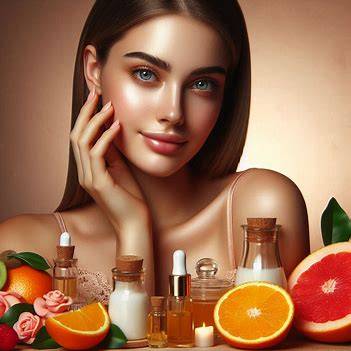
Radiant skin with AHA Fruit Acid Blend: Serum recipe at home
 Forget harsh chemicals and expensive store-bought serums! Harness the power of nature to achieve a radiant complexion with this DIY AHA (Alpha Hydroxy Acid) Fruit Acid Blend Serum.
What are AHAs and Why Do They Work?
AHAs are naturally occurring acids found in fruits, like citric acid (from citrus fruits) and malic acid (from apples). These gentle exfoliants work by:
- Dissolving dead skin cells: This reveals the brighter, smoother skin underneath, promoting a more even tone and texture.
- Stimulating collagen production: Collagen is the building block of youthful, plump skin. AHAs encourage collagen synthesis, leading to a firmer, more youthful appearance.
- Minimizing pores: By removing dead skin cells and excess oil, AHAs can help keep pores clear and prevent breakouts.
The Benefits of a DIY AHA Serum:
- Customization: Tailor the fruit blend to your skin type. Opt for gentler options like papaya or pineapple for sensitive skin, or use lactic acid (from milk) for a more potent effect.
- Natural Ingredients: Avoid harsh chemicals and artificial fragrances often found in commercial products.
- Freshness: You control the ingredients and shelf life, ensuring maximum potency.
- Cost-Effective: DIY serums offer significant savings compared to store-bought options.
Here's What You'll Need:
- Distilled Water: Base of your serum (around ⅔ cup)
- Fruit Purees or Powders: Choose your AHA blend (1 tablespoon total) - consider options like:
- Sensitive Skin: Papaya, pineapple, or mango
- Normal Skin: Bilberry, cranberry, or grapefruit
- Oilier Skin: Lemon, orange, or kiwi
- Hyaluronic Acid: Hydrates and plumps the skin (½ teaspoon)
- Aloe Vera Gel: Soothes and calms (1 tablespoon)
- Vitamin E Oil: Antioxidant and promotes healing (a few drops)
- Optional: Witch hazel (astringent for oily skin), essential oils (for fragrance, use with caution)
- Glass Dropper Bottle: For easy application and storage (sanitized)
 Crafting Your Serum:
- Combine distilled water and fruit puree/powder in a sanitized container. Stir well and let it sit for 30 minutes to allow the AHA to activate.
- Strain the mixture to remove any fruit pulp.
- Add hyaluronic acid, aloe vera gel, and Vitamin E oil. Stir gently to combine.
- Optional: Add a few drops of witch hazel (for oily skin) or a couple of drops of essential oil (for fragrance, patch test first!).
- Pour the final serum into your sanitized dropper bottle.
How to Use Your DIY AHA Serum:
- Cleanse and pat your face dry.
- Apply a few drops of the serum to your fingertips and gently massage it onto your face and neck, avoiding the eye area.
- Follow with a moisturizer as AHAs can make your skin more sensitive to sunlight.
- Start with using the serum 2-3 times a week and gradually increase frequency as your skin tolerates it.
- Always wear sunscreen with SPF 30 or higher during the day while using AHAs.
Important Reminders:
- Patch test the serum on your inner arm before applying it to your face. Discontinue use if any irritation occurs.
- AHAs can make your skin more sensitive to sunlight. Always wear SPF and avoid excessive sun exposure.
- Not recommended for pregnant or breastfeeding women or those with open wounds, sunburn, or rosacea.
- Be mindful of shelf life. Store your serum in a cool, dark place and use it within 2-3 months.
Embrace the power of nature and craft your own path to luminous skin with this DIY AHA Fruit Acid Blend Serum. Remember, consistency and sun protection are key!
"


Cosmetic ingredients and professional formulation blog
This section features expert materials on modern cosmetic actives. We cover peptides, polynucleotides PDRN, different forms of hyaluronic acid, retinoids, ceramides and other key components.
Special focus is given to active stability, ingredient compatibility and correct incorporation into formulas. You will find practical guides on working with anti-age actives, moisturizing complexes and barrier repair ingredients.
We examine how to properly combine myorelaxants with peptides, common mistakes when using unstable vitamin C forms and ways to improve the performance of moisturizing actives.
Separate materials are dedicated to base oils, extracts, emulsifiers and supporting ingredients. This helps create stable and effective formulas for both professional and home cosmetics.
The blog regularly publishes reviews of trending actives, comparisons of similar ingredients and step-by-step formulation recommendations. The content is aimed at formulators, technologists and anyone seriously involved in creating cosmetic products.
Why this blog is useful
Here you will find practical data on eye area care actives, lifting systems and ingredients that improve skin firmness and tone. We rely on real formulation experience and address the actual challenges that arise during product development.
You can also explore materials on skin protection and repair, depigmentation and anti-inflammatory actives. This approach supports a more systematic selection of ingredients.
FAQ
What topics are covered most often
The blog focuses on peptides, PDRN, hyaluronic acid of different molecular weights, retinoids, ceramides and their compatibility rules.
Are there practical recommendations on how to incorporate actives
Yes, most articles include practical notes on pH stability, incorporation temperature and common formulation mistakes.
Is the content only for professionals
The materials are useful both for formulators and technologists and for those who create cosmetics for personal use and want to understand how modern ingredients work.
Where can I go directly to the ingredients
All key actives are collected in the Actives section, while base components are available in base oils and related categories.



