-
 DIY: Video master classes
-
 Aromatherapy
-
 Felting master classes
-
 Eating at home
-
 DIY cosmetics for children
-
 Cooking recipes
-
 Detergents, cleaning products with your own hands
-
 Soap making as a business
-
 Natural cosmetics. Raw materials for cosmetics and soap.
-
 Natural oils in cosmetics
-
 News
-
 Recipes for balms and conditioners
-
 Bath Bomb Recipes
-
 Cream recipes. Cream making.
-
 Lotion recipes. Gel recipes.
-
 Mask recipes
-
 Soap recipes. Base soap. Soap from scratch.
-
 Recipes for all occasions
-
 Natural shampoo recipes
-
 Healthy Nutrition Recipes
-
 Scrub recipes. Massage tiles. Ubtan
-
 DIY candles
-
 Reference materials, questions, tips
-
 Startup - soap production
-
 Hair care. Tips, recipes
-
 Facial skin care. Cleansers.
-
 Body care. Tips, recipes
-
 Photo Reviews
-
 Chocolate Handmade


DIY Face Patches Recipe
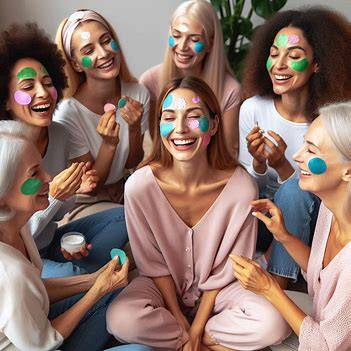 Give your skin a boost with the magic of homemade face patches! These targeted treatments are a fun and affordable way to address specific skincare concerns, all from the comfort of your own kitchen.
Here's the beauty of DIY face patches:
- Customization: Tailor the ingredients to your skin type and needs. Whether you want hydration, brightening, or soothing, there's a recipe out there for you.
- Freshness: You control the quality of ingredients. No harsh chemicals or preservatives, just pure pampering.
- Affordability: Skip the expensive store-bought patches and whip up a batch for a fraction of the cost.
Let's explore some easy recipes to get you started:
Hydrating Haven:
- 1 Tbsp mashed ripe avocado
- 1 Tbsp aloe vera gel
- 1 tsp honey
This creamy combo is perfect for dry or dehydrated skin. The avocado and aloe vera provide a moisture surge, while honey adds a touch of antibacterial goodness.
Brightening Boost:
- 1 Tbsp plain yogurt
- 1 tsp lemon juice (be sure to dilute for sensitive skin)
- 1/2 tsp turmeric powder
This powerhouse trio targets dullness and hyperpigmentation. Yogurt gently exfoliates, lemon juice brightens, and turmeric evens skin tone. Remember, a patch test is recommended for sensitive skin due to the lemon juice.
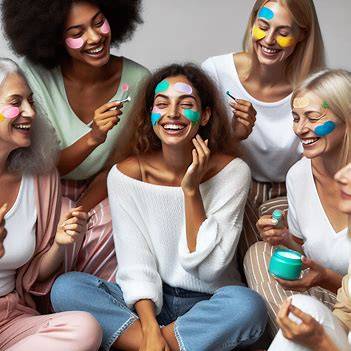 Soothing Sanctuary:
- 2 Tbsp green tea (brewed and cooled)
- 1 Tbsp colloidal oatmeal
- 1 tsp honey
This calming concoction is ideal for irritated or inflamed skin. Green tea soothes redness, oatmeal reduces inflammation, and honey keeps things hydrated.
Here's how to use your DIY face patches:
- Cleanse your face: Remove makeup and impurities to allow for better absorption.
- Prepare your patches: Cut out shapes from a thin cotton cloth or use silicone molds (available online).
- Soak your patches: Dip them in your chosen mixture and gently squeeze out excess liquid.
- Apply and relax: Place the patches on your targeted areas (eyes, forehead, etc.) for 15-20 minutes.
- Rinse and glow: Remove the patches and rinse your face with cool water. Pat dry and apply your favorite moisturizer.
Top Tips:
- Always store leftover mixtures in an airtight container in the refrigerator for up to 2 days.
- Patch test any new ingredients on your inner arm before applying to your face.
- Relax and unwind while your patches work their magic. Light some candles, put on a face mask, and enjoy some self-care time.
So ditch the store-bought options and embrace the power of DIY! With a little creativity and these easy recipes, you can achieve radiant, healthy skin on a budget.
"


Тамара
|
|
Щиро дякую за рецепт! Підкажіть, будь ласка, як виготовити еластичну гідрогель основу для патчей?
|
Cosmetic ingredients and professional formulation blog
This section features expert materials on modern cosmetic actives. We cover peptides, polynucleotides PDRN, different forms of hyaluronic acid, retinoids, ceramides and other key components.
Special focus is given to active stability, ingredient compatibility and correct incorporation into formulas. You will find practical guides on working with anti-age actives, moisturizing complexes and barrier repair ingredients.
We examine how to properly combine myorelaxants with peptides, common mistakes when using unstable vitamin C forms and ways to improve the performance of moisturizing actives.
Separate materials are dedicated to base oils, extracts, emulsifiers and supporting ingredients. This helps create stable and effective formulas for both professional and home cosmetics.
The blog regularly publishes reviews of trending actives, comparisons of similar ingredients and step-by-step formulation recommendations. The content is aimed at formulators, technologists and anyone seriously involved in creating cosmetic products.
Why this blog is useful
Here you will find practical data on eye area care actives, lifting systems and ingredients that improve skin firmness and tone. We rely on real formulation experience and address the actual challenges that arise during product development.
You can also explore materials on skin protection and repair, depigmentation and anti-inflammatory actives. This approach supports a more systematic selection of ingredients.
FAQ
What topics are covered most often
The blog focuses on peptides, PDRN, hyaluronic acid of different molecular weights, retinoids, ceramides and their compatibility rules.
Are there practical recommendations on how to incorporate actives
Yes, most articles include practical notes on pH stability, incorporation temperature and common formulation mistakes.
Is the content only for professionals
The materials are useful both for formulators and technologists and for those who create cosmetics for personal use and want to understand how modern ingredients work.
Where can I go directly to the ingredients
All key actives are collected in the Actives section, while base components are available in base oils and related categories.



