-
 DIY: Video master classes
-
 Aromatherapy
-
 Felting master classes
-
 Eating at home
-
 DIY cosmetics for children
-
 Cooking recipes
-
 Detergents, cleaning products with your own hands
-
 Soap making as a business
-
 Natural cosmetics. Raw materials for cosmetics and soap.
-
 Natural oils in cosmetics
-
 News
News
-
 Recipes for balms and conditioners
-
 Bath Bomb Recipes
-
 Cream recipes. Cream making.
-
 Lotion recipes. Gel recipes.
-
 Mask recipes
-
 Soap recipes. Base soap. Soap from scratch.
-
 Recipes for all occasions
-
 Natural shampoo recipes
-
 Healthy Nutrition Recipes
-
 Scrub recipes. Massage tiles. Ubtan
-
 DIY candles
-
 Reference materials, questions, tips
-
 Startup - soap production
-
 Hair care. Tips, recipes
-
 Facial skin care. Cleansers.
-
 Body care. Tips, recipes
-
 Photo Reviews
-
 Chocolate Handmade


Recipe for jelly serum with hyaluronic acid and peptides
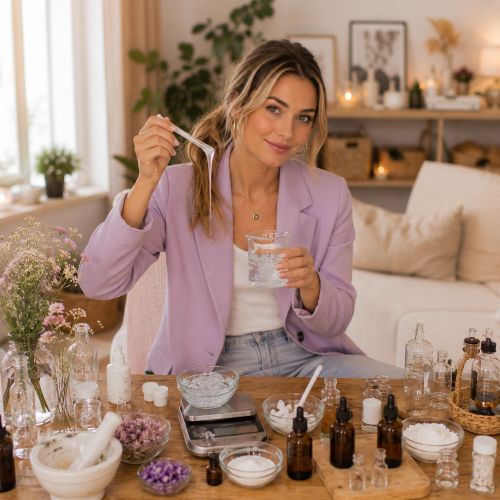 In the rapidly evolving world of cosmetic science traditional watery serums are increasingly making way for advanced high-viscosity gel networks. The ultimate manifestation of this trend is the jelly serum a unique elastic formulation that acts as an intensive moisture-locking matrix. This specialized delivery system is designed to address two of the most critical needs of aging and stressed skin deep multi-layer hydration and cellular structural support. By combining the moisture-binding capabilities of hyaluronic acid with the cellular signaling power of biomimetic peptides you can create a high-performance cosmetic treatment.
Crafting a custom jelly serum at home allows you to harness the raw potency of clinical-grade active ingredients without the synthetic chemical burden typical of mass-produced industrial cosmetics.
The Molecular Science of Hyaluronic Acid and Peptides in a Jelly Matrix
To understand the efficacy of a jelly serum one must look at how its primary active ingredients interact within the skin layers. Hyaluronic acid is a naturally occurring glycosaminoglycan that can hold up to a thousand times its own weight in water. In a professional jelly formulation cosmetic chemists utilize a spectrum of different molecular weights. High molecular weight hyaluronic acid sits on the surface of the stratum corneum forming an invisible breathable dewy shield that prevents transepidermal water loss. Simultaneously low and ultra-low molecular weight hyaluronic acid fragments penetrate deeper into the epidermis plumping the tissue from within and filling out fine lines caused by dehydration.
Peptides complement this hydration by acting as precise biological messengers. When embedded within the dense network of a hyaluronic jelly matrix these short chains of amino acids are held in prolonged contact with the skin surface. Signaling peptides like palmitoyl tripeptide five penetrate the epidermal layers to signal fibroblast cells to synthesize fresh collagen and elastin. Concurrently neurotransmitter-inhibiting peptides such as acetyl hexapeptide eight work to minimize micro-tensions in facial muscles effectively smoothing expression lines. This dual-action approach results in a dramatic improvement in skin density elasticity and radiance.
Why Custom Jelly Serums Excel Beyond Commercial Analogues
Commercial factory-made serums are developed with a primary focus on retail convenience long-distance shipping and multi-year shelf stability. To prevent formulas from breaking down under harsh warehouse conditions industrial manufacturers rely heavily on synthetic texturizers carbomers acrylates heavy silicones and aggressive chemical liquid polymers. While these ingredients create a smooth slip on the skin they often leave a plastic-like suffocating film that can disrupt the natural skin microbiome clog pores and cause morning puffiness by trapping metabolic waste.
Furthermore premium active ingredients like multi-weight hyaluronic acid and cutting-edge peptides are exceptionally expensive raw materials. In mass-market industrial products these ingredients are routinely added at minimal marketing percentages just high enough to be mentioned on the label. When you compound your own jelly serum at home you eliminate the synthetic chemical ballast completely. You are free to build a clean bio-identical vehicle using pure organic hydrosols and natural gelling agents while incorporating active peptides at their maximum recommended therapeutic concentrations which usually ranges from three to ten percent.
Technical Challenges of Polymer Hydration and Lump Free Gel Creation
The primary technological hurdle when making a jelly serum at home is the correct hydration of high-molecular-weight polymers like hyaluronic acid or natural xanthan gum. If you pour water directly onto these dry powders the molecules immediately cross-link upon contact creating an impenetrable outer shell around a dry core. This results in an uneven clumpy mixture that is impossible to smooth out or use in a cosmetic dispenser.
To overcome this challenge professional formulators use a specialized slurry technique. The dry polymer powder must first be thoroughly dispersed into a non-aqueous wetting agent that does not cause it to swell prematurely such as pure vegetable glycerin. The glycerin coats each individual microscopic grain of powder separating them from one another. Only when this smooth lump-free slurry is established do you slowly introduce your water phase. This method ensures that every single polymer molecule hydrates uniformly and instantly resulting in a crystal-clear luxurious jelly texture that glides across the skin without any stickiness.
Temperature Thresholds and pH Control for Biological Stability
Biomimetic peptides and hyaluronic acid fragments are highly delicate complex organic structures. Peptides possess sensitive amino acid sequences bound together by heat-vulnerable peptide links. If you expose these active solutions to high temperatures during the mixing process the molecular bonds undergo immediate and irreversible thermal denaturation. Once denatured these premium proteins are transformed into basic inactive fluids that offer zero biological benefit to the skin cells. Therefore you must adhere strictly to a cold-compounding protocol introducing your active peptides only after the gel base has cooled down completely to room temperature.
In addition to temperature control maintaining a precise potential of hydrogen or pH level is a critical factor for both ingredient stability and skin safety. The human skin barrier functions best when its surface remains slightly acidic. Active peptides and multi-weight hyaluronic acids are engineered to remain stable and biochemically active within a narrow physiological window between five point five and六 point two pH units. If your final jelly serum drifts into an overly acidic or strongly alkaline state the peptide chains will cleave apart and break down. A balanced pH ensures peak ingredient performance avoids dermal irritation and keeps your eco-friendly preservative system functioning perfectly.
Recipe One The Ultra Hydrating Glass Skin Jelly Serum
A crystal-clear lightweight jelly serum engineered to flood dehydrated skin with multiple weights of hyaluronic acid and aquaporin-boosting peptides for a plump glowing complexion.
Composition Sixty five milliliters organic chamomile hydrosol Fifteen milliliters pure distilled water Five milliliters acetyl hexapeptide thirty seven solution Five milliliters vegetable glycerin Four milliliters d-panthenol fluid Two grams high molecular weight hyaluronic acid powder Two grams low molecular weight hyaluronic acid powder Safe water soluble eco-certified preservative
Preparation Step one Rigorously sanitize all your glass laboratory beakers measuring pipettes stirring tools and final storage bottles with seventy percent isopropyl alcohol and let them air dry completely. Step two Measure your vegetable glycerin into your primary clean glass beaker then slowly sprinkle both the high and low molecular weight hyaluronic acid powders directly over the liquid. Step three Mix the powder and glycerin slurry thoroughly with a glass rod until it forms an absolutely smooth uniform lump-free paste. Step four Slowly pour the organic chamomile hydrosol and distilled water into the paste stirring continuously with a steady fluid motion to ensure even polymer hydration. Step five Add the d-panthenol fluid into the solution and allow the mixture to rest undisturbed for thirty minutes until a beautifully clear thick elastic gel matrix establishes. Step six Verify that your gel mixture rests completely at a cool room temperature then slowly stir in the active acetyl hexapeptide thirty seven solution. Step seven Add your safe water-soluble eco-certified preservative mix the jelly thoroughly for two minutes check with a test strip that the pH level balances at five point eight and transfer the serum into an opaque glass pump bottle.
Recipe Two The Peptide Peptide Line Smoothing Matrix
A firming springy jelly serum that combines advanced neurotransmitter-inhibiting peptides and signaling complexes to target expression lines and improve structural skin density.
Composition Sixty milliliters organic rose hydrosol Twenty milliliters pure distilled water Five milliliters acetyl hexapeptide eight solution Five milliliters palmitoyl tripeptide five solution Five milliliters vegetable glycerin Two grams natural xanthan gum clear grade One gram ultra low molecular weight hyaluronic acid powder Safe broad spectrum cosmetic preservative
Preparation Step one Disinfect your workspace digital weighing scales mixing utensils and a clean airless vacuum pump bottle with an antiseptic spray before starting. Step two Combine the clear grade xanthan gum powder and the ultra-low molecular weight hyaluronic acid powder in a dry glass beaker. Step three Pour the vegetable glycerin over the dry powders and blend them manually with a spatula until a smooth homogeneous slurry is created. Step four Slowly introduce the organic rose hydrosol and distilled water into the beaker pouring in a thin stream while stirring rapidly to avoid any particle aggregation. Step five Use a cosmetic mini mixer on low speed for one minute to fully align the polymer chains then leave the gel to hydrate for twenty minutes. Step six Double-check that your thick jelly base is resting at cool room temperature then slowly pour in the acetyl hexapeptide eight solution and the palmitoyl tripeptide five solution. Step seven Incorporate your safe broad-spectrum preservative mix well for two minutes confirm that the pH level lands at six point zero and transfer the finished jelly into your airless pump dispenser.
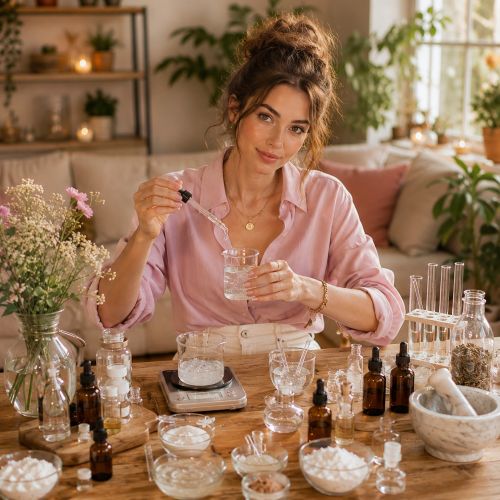
Recipe Three The Cica Barrier Repair Jelly Fluid
A soothing restorative jelly serum formulated with copper peptides hyaluronic acid and centella extract to repair compromised skin barriers and eliminate micro-irritation.
Composition Sixty five milliliters organic centella asiatica hydrosol Ten milliliters pure distilled water Five milliliters copper tripeptide one solution Five milliliters vegetable glycerin Five milliliters fluid gotu kola extract Four milliliters allantoin liquid extract Two grams high molecular weight hyaluronic acid powder Gentle eco-friendly preservative compound
Preparation Step one Perform a rigorous sanitization protocol on all compounding glassware measuring spoons and your final storage jars using a seventy percent alcohol solution. Step two Measure the vegetable glycerin into your primary glass beaker and sprinkle the high molecular weight hyaluronic acid powder directly over it. Step three Blend the mixture firmly until it forms a uniform slurry ensuring there are no hidden clumps of dry powder at the bottom of the beaker. Step four Pour the organic centella asiatica hydrosol distilled water gotu kola extract and allantoin liquid extract into the glycerin slurry while stirring continuously. Step five Allow the mixture to sit undisturbed for twenty five minutes watching it swell into a beautiful rich sky-blue tinted gel matrix due to the natural copper coloration. Step six Ensure the gel base has settled to a cool room temperature then carefully pour in the copper tripeptide one solution stirring gently with a manual spatula. Step seven Add your gentle eco-friendly preservative compound stir for two minutes until the color is completely uniform verify a safe physiological pH between五 point八 and六 point two and transfer to your jar.
Expert Dermatological Guidelines for Application and Layering Routine
To yield maximum therapeutic benefits from your custom hyaluronic acid and peptide jelly serum you must follow a disciplined and structured application technique. Because jelly serums create a microscopic moisture-binding network on the skin surface they perform best when applied directly to perfectly cleansed slightly damp skin immediately following your morning and evening toning steps. Use your custom jelly twice a day consistently.
Dispense an amount of the jelly serum roughly equivalent to the size of a pea onto your clean fingertips. Warm the product slightly between your fingers and sweep it over your face neck and upper chest area using smooth upward diagonal motions. Avoid rubbing or tugging the skin aggressively instead pat and press the product into your skin matrix to encourage seamless absorption of the low-molecular-weight fractions.
Allow the jelly serum to absorb fully for approximately two minutes. It will form a non-sticky breathable firming shield over your epidermis. It is absolutely vital to seal this matrix by applying a few drops of a pure facial oil or your favorite basic moisturizing cream directly over the serum. This final occlusive layer locks the hyaluronic acid water-network into the skin layers preventing ambient air dry environments or air conditioning from evaporating the delivered moisture.
Technical Storage Protocol and Potency Preservation Guidelines
Custom handmade cosmetics prioritizing raw peptides and active hyaluronic acid are uniquely sensitive to environmental breakdown due to the absence of harsh synthetic chelating agents strong chemical stabilizers and heavy paraben complexes. Exposure to direct sunlight ambient heat air or moisture will rapidly trigger the oxidation of the delicate botanical hydrosols and denature the fragile protein links. For these reasons it is essential to house your finished jelly serums inside dark amber glass bottles opaque containers or airless vacuum pump dispensers that completely protect the formula from light and eliminate external air or finger contamination.
Store your custom jelly serum collection continuously inside a cool dark environment such as a dedicated cosmetic refrigerator or a cool dark storage cabinet. Maintaining a stable cool temperature prevents polymer network separation safeguards the amino acid chains of the peptides and offers an incredibly soothing skin-calming sensation upon morning application. When prepared under optimal sanitary conditions and preserved with a reliable eco-certified preservative system your handmade jelly serum will remain fully stable potent and safe for exactly three months. If you observe any physical separation of the layers a sudden loss of gel thickness or a distinct sour odor discontinue use immediately and prepare a fresh batch to guarantee your complete skin safety.


Cosmetic ingredients and professional formulation blog
This section features expert materials on modern cosmetic actives. We cover peptides, polynucleotides PDRN, different forms of hyaluronic acid, retinoids, ceramides and other key components.
Special focus is given to active stability, ingredient compatibility and correct incorporation into formulas. You will find practical guides on working with anti-age actives, moisturizing complexes and barrier repair ingredients.
We examine how to properly combine myorelaxants with peptides, common mistakes when using unstable vitamin C forms and ways to improve the performance of moisturizing actives.
Separate materials are dedicated to base oils, extracts, emulsifiers and supporting ingredients. This helps create stable and effective formulas for both professional and home cosmetics.
The blog regularly publishes reviews of trending actives, comparisons of similar ingredients and step-by-step formulation recommendations. The content is aimed at formulators, technologists and anyone seriously involved in creating cosmetic products.
Why this blog is useful
Here you will find practical data on eye area care actives, lifting systems and ingredients that improve skin firmness and tone. We rely on real formulation experience and address the actual challenges that arise during product development.
You can also explore materials on skin protection and repair, depigmentation and anti-inflammatory actives. This approach supports a more systematic selection of ingredients.
FAQ
What topics are covered most often
The blog focuses on peptides, PDRN, hyaluronic acid of different molecular weights, retinoids, ceramides and their compatibility rules.
Are there practical recommendations on how to incorporate actives
Yes, most articles include practical notes on pH stability, incorporation temperature and common formulation mistakes.
Is the content only for professionals
The materials are useful both for formulators and technologists and for those who create cosmetics for personal use and want to understand how modern ingredients work.
Where can I go directly to the ingredients
All key actives are collected in the Actives section, while base components are available in base oils and related categories.