-
 DIY: Video master classes
-
 Aromatherapy
-
 Felting master classes
-
 Eating at home
-
 DIY cosmetics for children
-
 Cooking recipes
-
 Detergents, cleaning products with your own hands
-
 Soap making as a business
-
 Natural cosmetics. Raw materials for cosmetics and soap.
-
 Natural oils in cosmetics
-
 News
-
 Recipes for balms and conditioners
-
 Bath Bomb Recipes
-
 Cream recipes. Cream making.
-
 Lotion recipes. Gel recipes.
-
 Mask recipes
-
 Soap recipes. Base soap. Soap from scratch.
-
 Recipes for all occasions
-
 Natural shampoo recipes
-
 Healthy Nutrition Recipes
-
 Scrub recipes. Massage tiles. Ubtan
-
 DIY candles
-
 Reference materials, questions, tips
-
 Startup - soap production
-
 Hair care. Tips, recipes
-
 Facial skin care. Cleansers.
-
 Body care. Tips, recipes
-
 Photo Reviews
-
 Chocolate Handmade


Anti-stress cream recipe with neuropeptides and beta glucan
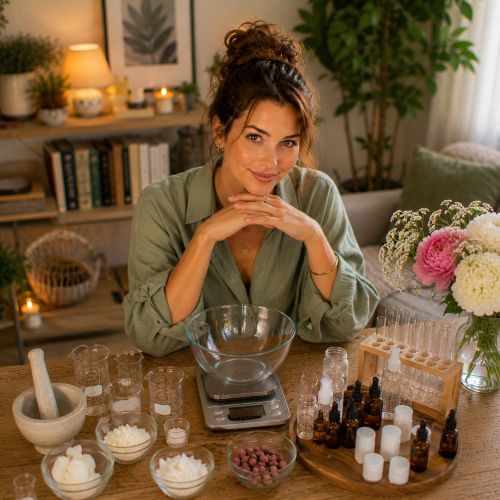 Modern urban life subjects the skin to constant neurogenic stress. When the nervous system registers environmental pollution, lack of sleep, or psychological tension, it triggers the release of stress mediators in the skin layers, such as substance P and cortisol. These chemical messengers spark micro-inflammations, impair cellular regeneration, and weaken the epidermal barrier. As a result, the skin looks perpetually tired, suffers from sudden redness, and ages at an accelerated pace.
To counteract this neural inflammation, advanced cosmetic chemistry relies on a powerful dual mechanism combining neuropeptides and Beta Glucan. Neuropeptides are short chains of amino acids engineered to interrupt the stress signals sent between cutaneous nerve endings and skin cells. They relax vascular tension, reducing redness and preventing stress-induced collagen breakdown. Beta Glucan, a natural polysaccharide derived from yeast or oats, complements this action by activating macrophages and Langerhans cells. It forms a breathable protective matrix, deeply hydrates, and accelerates cellular tissue repair from within.
Why Handmade Anti Stress Emulsions Stand Superior to Mass Market Counterparts
Industrial anti-stress creams frequently rely on synthetic occlusive compounds like dimethicone, cyclopentasiloxane, or mineral oils to simulate a smoothing effect. While these petroleum derivatives create a temporary feeling of softness, they form an impermeable layer that seals in heat, slows down cellular respiration, and can exacerbate underlying neurogenic inflammation. Furthermore, mass-market formulas require aggressive stabilization systems and volatile chemical solvents to endure years of warehouse storage, which often irritates hyper-sensitive skin.
Formulating your own anti-stress cream using neuropeptides and Beta Glucan allows you to omit all technological fillers and industrial ballast. Every component in a handcrafted cream provides active benefits. By choosing organic plant hydrosols, cold-pressed botanical oils rich in essential fatty acids, and high-purity biological actives, you build a bio-compatible emulsion. This fresh cosmetic fluid works in complete harmony with your living skin tissue, delivering immediate relief and deep physiological restoration without overloading the body with toxic additives.
Technical Nuances of Combining Temperature Sensitive Actives and Emulsion Bases
Blending a successful cosmetic cream with neuropeptides and Beta Glucan requires a careful hand and strict adherence to formulation temperatures. Neuropeptides are highly sensitive protein compounds. Exposing these active strings to intense heat will alter their molecular structure, rendering them useless. Beta Glucan, though slightly more resilient, also degrades and loses its immunomodulating power if held at high temperatures for extended periods.
To preserve these expensive cosmetic actives, the production process utilizes a structured phase method. The base emulsifiers and plant oils are heated just enough to form a uniform liquid lipid phase, which is then combined with a matching warm water phase. The active neuropeptides and Beta Glucan solution are introduced exclusively during the final cooling phase, when the mixture has cooled completely down to gentle room temperature. The acidity level of the finished anti-stress preparation must be verified to sit between five and six units, ensuring optimal skin comfort and active longevity.
Workplace Sanitation and Necessary Antiseptic Practices for Cosmetic Formulation
Crafting rich, biological skincare at home demands a pristine working environment. Because natural anti-stress creams utilize gentle eco-preservatives and contain nutritious proteins and sugars, they are highly vulnerable to bacterial invasion if contamination occurs during the manufacturing process.
Before you begin measuring your cosmetic raw materials, wipe down your entire workspace with a liquid surface disinfectant, wash your hands thoroughly up to the elbows, and put on sterile nitrile gloves. Spray all heat-safe borosilicate glass beakers, stainless steel mini whisks, glass stirring rods, and your final storage dispensers with a seventy percent solution of isopropyl alcohol. Allow the sanitized tools to air-dry completely on fresh paper towels. Never use fabric kitchen towels to dry your implements, as they carry micro-fibers and hidden mold spores.
Recipe First Neuro Calming Daily Shield Anti Stress Cream
A smooth, fast-absorbing daily moisturizer formulated to protect sensitive skin from urban stress, diminish facial redness, and block inflammatory neural triggers.
Composition Fifty milliliters organic chamomile flower hydrosol Fifteen milliliters cold pressed jojoba oil Ten milliliters unrefined rosehip seed oil Six grams plant derived olive emulsifying wax Four milliliters high purity beta glucan liquid solution Three milliliters skin soothing neuropeptide complex One milliliter liquid eco certified broad spectrum preservative
Preparation Step first Thoroughly sanitize all your glass mixing beakers, a mini whisk, and your final dark glass pump bottle with an isopropyl alcohol spray. Step second Pour the organic chamomile flower hydrosol into your first heat-safe glass beaker to form the water phase of your moisturizer. Step third Combine the cold-pressed jojoba oil, unrefined rosehip seed oil, and plant-derived olive emulsifying wax in your second heat-safe glass beaker. Step fourth Place both beakers into a low-heat double boiler water bath, heating gently until the emulsifying wax dissolves completely into a clear liquid. Step fifth Remove the vessels from the heat source and slowly pour the warm water phase into the lipid phase while blending rapidly with your mini whisk until a milky emulsion forms. Step sixth Continue stirring the mixture smoothly with a glass rod as it cools down naturally to room temperature, letting the cream thicken into a soft texture. Step seventh Incorporate the high-purity beta glucan liquid solution, the skin-soothing neuropeptide complex, and the liquid broad-spectrum preservative into the cooled cream, stir thoroughly, and transfer to your bottle.
Recipe Second Intense Night Recovery Anti Stress Balm
A deeply nourishing, rich night treatment engineered to erase signs of fatigue, repair the epidermal barrier during sleep, and calm neurogenic irritation.
Composition Forty-five milliliters organic lavender hydrosol Twenty milliliters cold pressed avocado oil Ten milliliters unrefined macadamia nut oil Five grams natural berry fruit wax Six grams plant based emulsifier cream base Five milliliters organic beta glucan liquid extract Four milliliters muscle relaxing neuropeptide solution One milliliter liquid botanical eco preservative
Preparation Step first Clean and disinfect your laboratory balance scale, pouring beakers, stainless steel stirring tools, and a cosmetic storage jar with an antiseptic mist. Step second Pour the organic lavender hydrosol into your designated water phase glass beaker. Step third Measure the cold-pressed avocado oil, unrefined macadamia nut oil, natural berry fruit wax, and plant-based emulsifier cream base into your lipid phase glass beaker. Step fourth Warm both containers in a gentle water bath until the fruit wax and emulsifier melt completely into a uniform golden oil blend. Step fifth Pour the warm lavender hydrosol into the melted oil phase in a steady stream, beating continuously with a mini mixer until a rich emulsion is established. Step sixth Allow the thick balm to cool down slowly to room temperature, stirring occasionally with a clean spatula to prevent phase separation. Step seventh Add the organic beta glucan liquid extract, the muscle-relaxing neuropeptide solution, and the liquid botanical eco-preservative to the lukewarm mixture, blend for two minutes, and spoon into your jar.
Recipe Third Hydro Soothing Anti Stress Fluid for Inflamed Skin
An ultra-lightweight, fluid gel-cream developed for oily, combination, or hyper-reactive skin types requiring rapid hydration and anti-inflammatory support without weight.
Composition Sixty milliliters organic cornflower hydrosol Fifteen milliliters pure organic aloe vera juice Five milliliters natural water soluble squalane fluid Six milliliters high purity beta glucan liquid solution Four milliliters redness reducing neuropeptide complex Two grams natural xanthan gum smoothing powder One milliliter mild liquid water soluble preservative
Preparation Step first Sanitize your pouring beakers, a long glass stirring rod, and an airless pump dispenser bottle with a thorough alcohol rinse. Step second Mix the organic cornflower hydrosol and pure organic aloe vera juice together in your primary glass beaker until uniform. Step third Sprinkle the natural xanthan gum smoothing powder slowly over the liquid while whisking rapidly with a mini whisk to prevent clumping, then let it hydrate for fifteen minutes until a fluid gel forms. Step fourth Blend the natural water-soluble squalane fluid into the thickened gel base until it is completely integrated into a light fluid texture. Step fifth Introduce the high-purity beta glucan liquid solution and the redness-reducing neuropeptide complex into the room temperature gel fluid, stirring gently with a glass rod. Step sixth Pour the mild liquid water-soluble preservative into the mixture, ensuring the stabilizing compounds are evenly distributed. Step seventh Give the anti-stress fluid a final stir for two minutes, then carefully pour the finished product into your sanitized airless pump bottle.
Professional Application Techniques for Maximum Stress Reducing Results
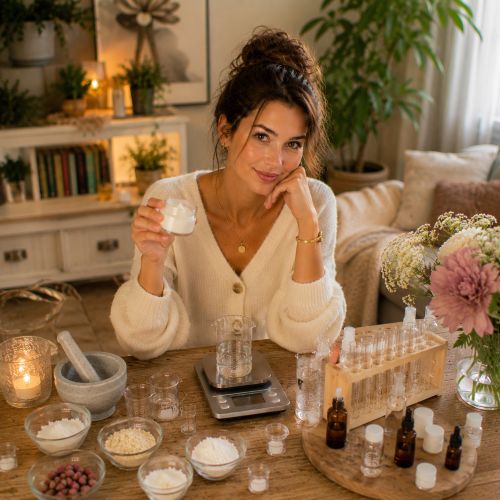
To optimize the bio-availability of the neuropeptides and Beta Glucan, your application technique should support the skin's natural circulatory rhythms. Use your anti-stress cream twice a day, immediately after cleansing with a non-stripping, pH-balanced cleanser and applying a hydrating toner. Dispense a pea-sized amount of the cream onto your clean fingertips and warm it slightly by pressing your fingers together.
Apply the cream to your face using gentle, pressing motions rather than rubbing or dragging the skin tissue. Start from the center of the face and move outward toward the ears and downward along the neck. The pressing motion helps push the active molecules into the upper layers of the epidermis. Avoid using hot water on your face before application, as heat can increase redness and trigger neurogenic sensitivity. If you use targeted treatments like vitamin C or peeling serums, apply them during your morning routine, and dedicate your evening routine entirely to this calming cream to assist nighttime cellular regeneration.
Storage Protocols and Preservation Standards for Fresh Artisan Creams
Handmade anti-stress creams lack the harsh chemical stabilizers and synthetic chelating agents that keep commercial skincare viable for years on retail shelves. Because they are preserved with gentle, eco-certified compounds, they must be protected from environmental factors like direct sunlight, excessive heat, and humidity. Storing your jars or bottles on an open bathroom shelf is highly discouraged, as the fluctuating heat and moisture can cause the natural emulsion to separate or degrade the active neuropeptides.
The ideal storage location for your fresh anti-stress formulas is the middle shelf of a dedicated cosmetic refrigerator or a standard home refrigerator, maintained at a steady cool temperature. Keeping the cream cool protects the fragile protein chains, extends the life of the botanical oils, and provides an anti-inflammatory cooling sensation when applied to irritated skin. If you are using an open-mouthed jar, never dip your bare fingers directly into the product. Always use a clean plastic cosmetic spatula to scoop out the cream, washing the spatula with soap and water after each use. When stored under these cool, clean conditions, your custom anti-stress cream will remain potent, stable, and completely safe for up to four months.


Cosmetic ingredients and professional formulation blog
This section features expert materials on modern cosmetic actives. We cover peptides, polynucleotides PDRN, different forms of hyaluronic acid, retinoids, ceramides and other key components.
Special focus is given to active stability, ingredient compatibility and correct incorporation into formulas. You will find practical guides on working with anti-age actives, moisturizing complexes and barrier repair ingredients.
We examine how to properly combine myorelaxants with peptides, common mistakes when using unstable vitamin C forms and ways to improve the performance of moisturizing actives.
Separate materials are dedicated to base oils, extracts, emulsifiers and supporting ingredients. This helps create stable and effective formulas for both professional and home cosmetics.
The blog regularly publishes reviews of trending actives, comparisons of similar ingredients and step-by-step formulation recommendations. The content is aimed at formulators, technologists and anyone seriously involved in creating cosmetic products.
Why this blog is useful
Here you will find practical data on eye area care actives, lifting systems and ingredients that improve skin firmness and tone. We rely on real formulation experience and address the actual challenges that arise during product development.
You can also explore materials on skin protection and repair, depigmentation and anti-inflammatory actives. This approach supports a more systematic selection of ingredients.
FAQ
What topics are covered most often
The blog focuses on peptides, PDRN, hyaluronic acid of different molecular weights, retinoids, ceramides and their compatibility rules.
Are there practical recommendations on how to incorporate actives
Yes, most articles include practical notes on pH stability, incorporation temperature and common formulation mistakes.
Is the content only for professionals
The materials are useful both for formulators and technologists and for those who create cosmetics for personal use and want to understand how modern ingredients work.
Where can I go directly to the ingredients
All key actives are collected in the Actives section, while base components are available in base oils and related categories.



