-
 DIY: Video master classes
-
 Aromatherapy
-
 Felting master classes
-
 Eating at home
-
 DIY cosmetics for children
-
 Cooking recipes
-
 Detergents, cleaning products with your own hands
-
 Soap making as a business
-
 Natural cosmetics. Raw materials for cosmetics and soap.
-
 Natural oils in cosmetics
-
 News
-
 Recipes for balms and conditioners
-
 Bath Bomb Recipes
-
 Cream recipes. Cream making.
-
 Lotion recipes. Gel recipes.
-
 Mask recipes
-
 Soap recipes. Base soap. Soap from scratch.
-
 Recipes for all occasions
-
 Natural shampoo recipes
-
 Healthy Nutrition Recipes
-
 Scrub recipes. Massage tiles. Ubtan
-
 DIY candles
-
 Reference materials, questions, tips
-
 Startup - soap production
-
 Hair care. Tips, recipes
-
 Facial skin care. Cleansers.
-
 Body care. Tips, recipes
-
 Photo Reviews
-
 Chocolate Handmade


Private Label with Mylo Opt: how to create a unique product line under your brand
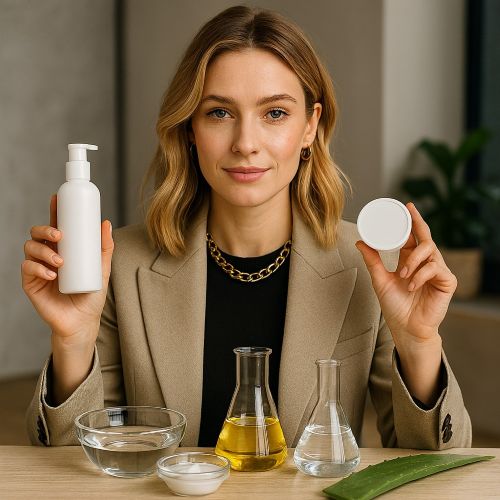 Dreaming of launching your own cosmetic brand but don't want to handle the complexities of formulation, production, and legal compliance? The Private Label model is the perfect solution. It allows you to create a unique product line under your own brand name without the need for your own laboratory or manufacturing facility. This approach is gaining immense popularity, as it offers a fast, efficient, and cost-effective way to enter the competitive beauty market. This article will provide a detailed guide on how to leverage the Private Label service with Mylo Opt, a key player in the industry. We'll explore the nuances of this business model, provide three example recipes you can adapt, and outline the significant advantages over traditional manufacturing.
Understanding the Private Label Model
Private Label involves partnering with a manufacturing company, like Mylo Opt, that produces products that you sell under your brand. This model offers a significant advantage over manufacturing from scratch.
-
Lower startup costs. You don't need to invest in expensive equipment, raw materials in bulk, or a production space. This drastically reduces the financial risk of launching a new brand.
-
Faster market entry. Private label manufacturers have pre-existing, stable formulas and established production processes. This means you can go from concept to product on the shelves much faster than if you were to formulate and manufacture everything yourself.
-
Access to expertise. You benefit from the manufacturer's expertise in formulation, quality control, and regulatory compliance. They handle the complex chemical processes and testing, ensuring your products are safe and effective.
-
Focus on branding and marketing. With the production handled, you can dedicate your time and resources to what truly matters: building your brand, engaging with your customers, and growing your business.
The Mylo Opt Private Label Process: A Step-by-Step Guide
Mylo Opt streamlines the process, making it accessible even for those with no prior experience in cosmetic manufacturing. The process typically follows these key stages.
Step 1: Consultation and concept development. Your journey begins with a consultation where you define your brand's vision, target audience, and desired product line. You can choose from Mylo Opt's existing, proven formulas or work with their team to adapt them to your specific needs, such as adding a unique fragrance or a special active ingredient.
Step 2: Formula selection and customization. Mylo Opt offers a wide range of stable and effective formulas, from moisturizers and serums to cleansers and body scrubs. This allows you to build a cohesive product line. For example, you can select a base cream and customize it with a specific plant extract or a new scent.
Step 3: Packaging and branding. Once the formula is finalized, you choose the packaging that reflects your brand identity. Mylo Opt can assist you with sourcing and branding, ensuring your logo, colors, and design elements are perfectly executed on the final product.
Step 4: Production and quality control. Mylo Opt handles the entire production process, from sourcing ingredients to mixing, filling, and labeling. They maintain strict quality control standards, ensuring every product is consistent and meets all regulatory requirements.
Step 5: Fulfillment and launch. The final products are shipped to you, ready for sale. You can then focus on your launch strategy, marketing, and distribution.
Three Recipes for a Unique Private Label Line
Here are three example formulas that you can customize and produce through a Private Label service like Mylo Opt.
Recipe 1: Gentle Hydrating Facial Cleanser
A great starter product, this formula is mild yet effective and can be customized with various botanical extracts.
-
Select a base formula. Choose a stable, sulfate-free cream or gel cleanser base.
-
Customize the formula. Add an active ingredient. For a soothing effect, you might add chamomile extract. For a brightening effect, consider a small percentage of a gentle fruit enzyme.
-
Choose a fragrance. Select a subtle, skin-safe fragrance or essential oil blend that aligns with your brand's scent profile, such as lavender or sweet orange.
-
Finalize the branding. Design your packaging. A simple pump bottle or a tube with a clean label would be ideal for a gentle cleanser.
Advantages: This gentle cleanser is suitable for most skin types, making it a low-risk product for a new brand. Its mild formula gives it an advantage over many harsh industrial cleansers.
Recipe 2: Brightening Vitamin C Serum
This is a high-demand product that can be easily adapted to your brand's needs.
-
Select a base formula. Choose a stable, water-based serum base that is designed to be compatible with active ingredients.
-
Customize the formula. Add an active ingredient. For a brightening serum, you can add a stable form of Vitamin C, such as Sodium Ascorbyl Phosphate, known for its efficacy and low irritation potential. You can also add ferulic acid to enhance its antioxidant properties.
-
Choose the packaging. A dark glass bottle with a dropper is standard for serums, as it protects light-sensitive actives.
-
Finalize the branding. Design a sophisticated label that communicates the product's premium ingredients and benefits.
Advantages: You get a professionally formulated, stable Vitamin C product without the trial-and-error of creating a pH-stable formula from scratch. This is a significant advantage over DIY or small-scale production.
Recipe 3: Nourishing Body Lotion
A body lotion is a versatile product that can be customized with various oils and butters to create a unique feel.
-
Select a base formula. Choose a rich, moisturizing lotion base that is suitable for all skin types.
-
Customize the formula. Add a unique blend of oils. For example, you can add avocado oil for deep hydration and argan oil for its nourishing properties. This creates a signature feel for your brand.
-
Choose a fragrance. Select a unique fragrance blend, such as a mix of vanilla and sandalwood, to make your product stand out.
-
Finalize the packaging. A pump bottle is a popular and convenient choice for body lotions.
Advantages: The ability to add unique oils and fragrances allows you to differentiate your product from other private label brands and create a sensory experience that is truly your own.
Advantages of Private Label over Industrial Analogues
The Private Label model offers significant advantages over sourcing products from generic, mass-market manufacturers.
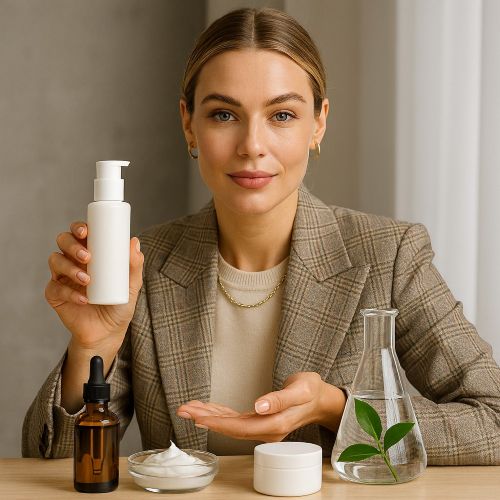
-
Full Ownership and Control: You own the brand and the intellectual property. While the manufacturer handles production, you control the brand identity, marketing, and sales channels.
-
Customization and Uniqueness: Unlike a generic product you simply rebrand, Private Label with Mylo Opt allows you to customize formulas, giving you a unique product that sets you apart from competitors.
-
Quality Assurance: You are working with a company that adheres to high standards and provides documentation for every ingredient. This ensures your products are safe and effective, building trust with your customers.
-
Scalability: The private label model allows for easy scalability. As your brand grows, you can seamlessly order larger quantities without having to invest in new equipment or facilities.
Private Label with Mylo Opt is an ideal solution for aspiring entrepreneurs who want to enter the beauty industry quickly and efficiently. By focusing on your brand and relying on an expert partner for production, you can turn your vision into a successful reality.


Cosmetic ingredients and professional formulation blog
This section features expert materials on modern cosmetic actives. We cover peptides, polynucleotides PDRN, different forms of hyaluronic acid, retinoids, ceramides and other key components.
Special focus is given to active stability, ingredient compatibility and correct incorporation into formulas. You will find practical guides on working with anti-age actives, moisturizing complexes and barrier repair ingredients.
We examine how to properly combine myorelaxants with peptides, common mistakes when using unstable vitamin C forms and ways to improve the performance of moisturizing actives.
Separate materials are dedicated to base oils, extracts, emulsifiers and supporting ingredients. This helps create stable and effective formulas for both professional and home cosmetics.
The blog regularly publishes reviews of trending actives, comparisons of similar ingredients and step-by-step formulation recommendations. The content is aimed at formulators, technologists and anyone seriously involved in creating cosmetic products.
Why this blog is useful
Here you will find practical data on eye area care actives, lifting systems and ingredients that improve skin firmness and tone. We rely on real formulation experience and address the actual challenges that arise during product development.
You can also explore materials on skin protection and repair, depigmentation and anti-inflammatory actives. This approach supports a more systematic selection of ingredients.
FAQ
What topics are covered most often
The blog focuses on peptides, PDRN, hyaluronic acid of different molecular weights, retinoids, ceramides and their compatibility rules.
Are there practical recommendations on how to incorporate actives
Yes, most articles include practical notes on pH stability, incorporation temperature and common formulation mistakes.
Is the content only for professionals
The materials are useful both for formulators and technologists and for those who create cosmetics for personal use and want to understand how modern ingredients work.
Where can I go directly to the ingredients
All key actives are collected in the Actives section, while base components are available in base oils and related categories.



