-
 DIY: Video master classes
-
 Aromatherapy
-
 Felting master classes
-
 Eating at home
-
 DIY cosmetics for children
-
 Cooking recipes
-
 Detergents, cleaning products with your own hands
-
 Soap making as a business
-
 Natural cosmetics. Raw materials for cosmetics and soap.
-
 Natural oils in cosmetics
-
 News
News
-
 Recipes for balms and conditioners
-
 Bath Bomb Recipes
-
 Cream recipes. Cream making.
-
 Lotion recipes. Gel recipes.
-
 Mask recipes
-
 Soap recipes. Base soap. Soap from scratch.
-
 Recipes for all occasions
-
 Natural shampoo recipes
-
 Healthy Nutrition Recipes
-
 Scrub recipes. Massage tiles. Ubtan
-
 DIY candles
-
 Reference materials, questions, tips
-
 Startup - soap production
-
 Hair care. Tips, recipes
-
 Facial skin care. Cleansers.
-
 Body care. Tips, recipes
-
 Photo Reviews
-
 Chocolate Handmade


Why do peptides lose activity in formulas
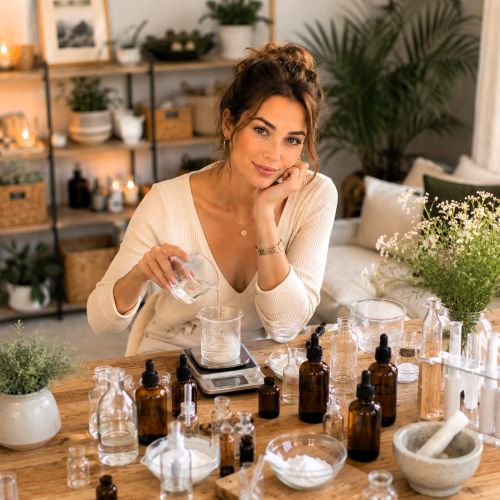 Biomimetic peptides are the crown jewels of modern anti-aging cosmeceuticals. These short chains of amino acids act as cellular messengers, locking into specific skin cell receptors to trigger the production of structural proteins, soothe inflammation, or relax expression lines. However, both cosmetic chemists and DIY skincare enthusiasts frequently encounter a frustrating reality: a premium peptide cream that works miracles in the first week can completely lose its efficacy over time. Understanding why peptides lose activity in formulas is the key to creating skincare that delivers genuine, long-term therapeutic results.
Because peptides are delicate organic molecules, their chemical bonds are vulnerable to breaking down. Without strict formulation discipline, these high-tech proteins denature into a random assortment of simple nutrients, stripping the final product of its cell-signaling intelligence.
The Biochemical Mechanics of Peptide Degradation and Protein Denaturation
To preserve a peptide, one must understand its molecular vulnerability. Peptides are held together by covalent peptide bonds linking individual amino acids in a precise arrangement. The functional efficacy of the molecule depends entirely on maintaining this specific spatial structure. The most common cause of activity loss is hydrolysis, a chemical reaction where water molecules cleave the peptide bonds, splitting the chain apart.
Beyond hydrolysis, peptides are highly susceptible to denaturation. This is a process where the secondary or tertiary folding structure of the protein unravels due to environmental stress. The molecule remains physically intact, but because its three-dimensional shape is deformed, it can no longer dock into skin cell receptors. The primary catalysts for this molecular unspooling are thermal stress, aggressive mechanical shear, and deviations from the ideal potential of hydrogen or pH range.
Thermal Vulnerability and the Critical Importance of Cold Compounding
The single greatest enemy of any peptide solution is heat. In classic cosmetic manufacturing, the oil phase and water phase are heated uniformly to melt emulsifiers, co-emulsifiers, and natural waxes. If you introduce a peptide complex into a hot emulsion base, the thermal energy immediately ruptures the fragile hydrogen bonds stabilizing the protein structure. This thermal denaturation is completely irreversible; once overheated, the active communication signals are lost forever.
Advanced formulation protocols dictate a strict cold-compounding technique. The base emulsion or gel must be fully established and allowed to naturally cool down to cool room temperature before any peptide complexes are introduced. This ensures that the delicate amino acid matrix enters a completely safe, low-stress environment, fully preserving its biochemical integrity for clinical action on the skin.
Potential of Hydrogen Boundaries and the Destructive Impact of Alpha Hydroxy Acids
The ambient pH of a cosmetic matrix determines the electrical charge and chemical stability of dissolved proteins. Most anti-aging signaling peptides and neurotransmitter-inhibiting amino acid chains are engineered to remain stable within a very narrow physiological window, strictly between five point five and六 point five pH units.
When formulators attempt to combine peptides in the same vessel with low-pH exfoliating actives like glycolic acid, lactic acid, or ascorbic acid, a catastrophic chemical conflict occurs. The highly acidic environment triggers rapid acid hydrolysis, aggressively snapping the peptide bonds. Conversely, strongly alkaline environments cleave the chains through base-catalyzed hydrolysis. To ensure peptide survival, the formulation vehicle must be kept chemically neutral or slightly acidic, and any peeling agents must be separated into entirely different steps of the skincare routine.
Mechanical Shear Stress and Oxidation from Light and Ambient Air
A frequently overlooked cause of peptide failure is excessive mechanical shear during the emulsification process. Utilizing high-speed industrial stick blenders or high-shear laboratory homogenizers creates intense physical friction and cutting forces. While this force is ideal for creating tiny oil droplets, it can physically tear apart long, complex peptide sequences. To prevent this mechanical destruction, sensitive proteins must be folded into the cooled base gently using slow, manual stirring with a spatula or glass rod.
Furthermore, exposure to ambient air and ultraviolet light initiates rapid oxidative degradation. Copper peptides are a prime example of this vulnerability. When exposed to oxygen inside a wide-mouth jar, the stabilized copper ions undergo a valence change, causing the serum to lose its characteristic vibrant blue color and rendering the tripeptide completely inactive. Protecting these compounds requires the addition of structural antioxidants and the absolute elimination of open-air packaging.
Why Custom Peptide Formulas Outperform Mass Market Alternatives
Commercial mass-market brands are forced to design products that can withstand multi-year retail shelf lives and unpredictable temperature swings during global shipping. To keep delicate peptides from completely separating or degrading, factories load their formulas with heavy synthetic chelating agents, chemical stabilizers, and aggressive paraben preservatives. These stabilizing chemicals frequently shield the active molecules so thoroughly that they limit their ability to detach and penetrate into the living layers of the epidermis.
Compounding your own peptide skincare in small batches eliminates this chemical baggage entirely. You build a clean, bio-identical matrix using pure organic hydrosols and lightweight plant lipids, introducing the fresh peptide complexes at their maximum recommended therapeutic concentrations of up to ten percent. The short shelf life of a handmade batch allows the skin to receive active, highly bioavailable protein chains in their purest, most uncompromised state.
Recipe One The Multi Peptide Line Smoothing Matrix Gel
A crystal-clear, lightweight jelly serum engineered to deliver a high-concentration dose of stable signaling peptides and micro-weight polymers for deep tissue firming.
Composition Seventy milliliters organic cornflower hydrosol Fifteen milliliters pure distilled water Five milliliters active palmitoyl tripeptide five solution Five milliliters vegetable glycerin Three milliliters pure d-panthenol fluid Two grams high molecular weight hyaluronic acid powder Safe water soluble eco-certified preservative
Preparation Step one Thoroughly sanitize your digital scales, glass beakers, stirring tools, and final storage bottles with seventy percent isopropyl alcohol and allow them to air dry completely. Step two Pour your vegetable glycerin into your primary clean glass beaker, then slowly sprinkle the high molecular weight hyaluronic acid powder directly over the fluid. Step three Stir the mixture firmly with a glass rod until a completely smooth, translucent, lump-free slurry is established. Step four Slowly pour the organic cornflower hydrosol and distilled water into the glycerin slurry, stirring continuously with a steady motion to allow the polymer matrix to hydrate evenly. Step five Blend the d-panthenol fluid into the solution and allow the gel base to rest undisturbed for thirty minutes until a beautifully clear, elastic gel forms and all air bubbles escape. Step six Double-check that your gel base rests completely at a cool room temperature, then slowly introduce the delicate palmitoyl tripeptide five solution, folding it in gently by hand with a glass rod. Step seven Add your safe water-soluble preservative, stir gently for one minute, verify using a test strip that the pH balances cleanly at six point zero, and pour the serum into a dark amber glass bottle.
Recipe Two The Advanced Anti Aging Lamellar Fluid with Argireline
A silky, skin-identical emulsion mimicking the natural lipid barrier to shelter neurotransmitter-inhibiting peptides from premature hydrolysis.
Composition Sixty milliliters organic rose hydrosol Five milliliters acetyl hexapeptide eight solution Ten milliliters plant-derived squalane oil Five milliliters organic argan oil Four grams cetearyl olivate and sorbitan olivate emulsifier flakes Five milliliters pure aloe vera juice concentrate Safe broad spectrum cosmetic preservative system
Preparation Step one Cleanse your entire workspace, heat-resistant glassware, mechanical mini mixer, and a clean vacuum pump bottle with an appropriate sanitizing spray. Step two Measure out the organic rose hydrosol into your first heat-resistant glass beaker to establish the clean water phase of your fluid. Step three In your second heat-resistant glass beaker, combine the plant-derived squalane oil, organic argan oil, and the solid cetearyl olivate and sorbitan olivate emulsifier flakes. Step four Set both beakers into a wide, shallow water bath, heating them gently and uniformly until the emulsifier flakes melt completely into a clear liquid oil phase. Step five Remove both vessels from the heat source, slowly pour the water phase into the oil phase, and immediately blend with your mini mixer on high speed for two continuous minutes to establish a stable lamellar network. Step six Switch to slow manual stirring with a clean spatula and let the emulsion cool down naturally until it reaches a thoroughly cool room temperature. Step seven Once the cream base is completely cool to the touch, fold in the pure aloe vera juice concentrate, the delicate acetyl hexapeptide eight solution, and your broad-spectrum preservative, ensuring a final safe pH of five point five before bottling.
Recipe Three The Sovereign Blue Copper Peptide Barrier Cream
An intensive, deeply restorative cream designed to heal compromised tissue and eliminate micro-irritation while providing absolute oxidative protection for unstable copper complexes.
Composition Fifty five milliliters organic centella asiatica hydrosol Five milliliters copper tripeptide one solution Ten milliliters organic avocado oil Five milliliters organic rice bran oil Four grams natural lecithin-based emulsifying wax Three milliliters fluid gotu kola extract One gram pure vitamin E oil as a structural antioxidant Gentle eco-certified preservative compound
Preparation Step one Perform a rigorous sanitization protocol on all compounding glassware, measuring spoons, and your final cosmetic jars using a seventy percent alcohol solution. Step two Measure the organic centella asiatica hydrosol and the fluid gotu kola extract into your primary heat-resistant glass beaker. Step three In your secondary heat-resistant beaker, combine the organic avocado oil, organic rice bran oil, pure vitamin E oil, and the natural lecithin-based emulsifying wax. Step four Warm both containers gently in a uniform water bath until the emulsifying wax dissolves completely into a clear lipid phase. Step five Pour the liquid water phase slowly into the oil phase, blending rapidly with your cosmetic mixer until a smooth, uniform cream forms. Step six Continue to stir the cream base slowly and manually with a spatula as it cools down, preventing any heavy mechanical shear forces from altering the cooling emulsion density. Step seven Once the cream base is entirely cool to room temperature, gently add the liquid copper tripeptide one solution and your preservative, stirring manually until the cream achieves a completely uniform sky-blue color, verify the pH is at six point two, and transfer to your sterile jar.
Clinical Guidelines for Peptide Layering and Everyday Application
To achieve maximum cellular conversion from your stable, handmade peptide cosmetics, you must follow strict skincare layering discipline. Peptides require a clean, uncompromised pathway to reach their targeted cell receptors. Always apply your peptide serums or creams directly onto thoroughly cleansed skin immediately following your morning and evening toning steps.
The absolute law of peptide application is the separation of conflicting actives. If your evening beauty routine features high-strength retinoids, pure ascorbic acid, or chemical exfoliating pads containing alpha or beta hydroxy acids, you must never layer them directly over or under your peptide products.
The ideal protocol is to apply your custom peptide matrices during your morning routine to take advantage of their firming and protective capabilities, reserving your low-pH acids or retinoids exclusively for alternate evenings. If you wish to use peptides at night, apply them only on dedicated barrier-recovery evenings when all peeling agents are paused. When applying the product, gently pat and press the fluid into your face and neck with the palms of your hands. Avoid aggressive pulling or rubbing, as light pressing encourages immediate lamellar integration into the stratum corneum without stressing the protein chains.
Technical Storage Protocol and Potency Preservation Guidelines
Because custom handmade cosmeceuticals are free from harsh industrial stabilizers and synthetic chelating compounds, they are exceptionally vulnerable to degradation from light, air, and humidity. Peptide formulas must never be stored inside a humid bathroom, where constant temperature spikes will rapidly trigger premature emulsion breakdown and peptide hydrolysis. Always package your finished serums and creams inside dark amber glass bottles, opaque airless containers, or vacuum pump dispensers that completely block out ultraviolet light and eliminate airborne bacterial contamination.
Store your custom peptide collection continuously inside a temperature-controlled environment, such as a dedicated cosmetic refrigerator or a cool, dark storage cabinet. Maintaining a stable, cool climate locks the amino acid chains into a relaxed state, protects the natural oils from going rancid, and delivers an incredibly soothing, anti-inflammatory cooling sensation upon skin contact.
When compiled under strict sterile conditions and preserved with a reliable eco-certified preservative system, your handmade peptide product will remain completely stable and biologically potent for exactly three months. If you ever observe a sudden separation of the oil and water layers, a noticeable thinning of the gel structure, a color shift, or a distinct sour odor, discontinue use immediately. These signs indicate that the structural integrity of the formula has failed, and a fresh batch should be prepared to guarantee your absolute skin safety.


Cosmetic ingredients and professional formulation blog
This section features expert materials on modern cosmetic actives. We cover peptides, polynucleotides PDRN, different forms of hyaluronic acid, retinoids, ceramides and other key components.
Special focus is given to active stability, ingredient compatibility and correct incorporation into formulas. You will find practical guides on working with anti-age actives, moisturizing complexes and barrier repair ingredients.
We examine how to properly combine myorelaxants with peptides, common mistakes when using unstable vitamin C forms and ways to improve the performance of moisturizing actives.
Separate materials are dedicated to base oils, extracts, emulsifiers and supporting ingredients. This helps create stable and effective formulas for both professional and home cosmetics.
The blog regularly publishes reviews of trending actives, comparisons of similar ingredients and step-by-step formulation recommendations. The content is aimed at formulators, technologists and anyone seriously involved in creating cosmetic products.
Why this blog is useful
Here you will find practical data on eye area care actives, lifting systems and ingredients that improve skin firmness and tone. We rely on real formulation experience and address the actual challenges that arise during product development.
You can also explore materials on skin protection and repair, depigmentation and anti-inflammatory actives. This approach supports a more systematic selection of ingredients.
FAQ
What topics are covered most often
The blog focuses on peptides, PDRN, hyaluronic acid of different molecular weights, retinoids, ceramides and their compatibility rules.
Are there practical recommendations on how to incorporate actives
Yes, most articles include practical notes on pH stability, incorporation temperature and common formulation mistakes.
Is the content only for professionals
The materials are useful both for formulators and technologists and for those who create cosmetics for personal use and want to understand how modern ingredients work.
Where can I go directly to the ingredients
All key actives are collected in the Actives section, while base components are available in base oils and related categories.