-
 DIY: Video master classes
-
 Aromatherapy
-
 Felting master classes
-
 Eating at home
-
 DIY cosmetics for children
-
 Cooking recipes
-
 Detergents, cleaning products with your own hands
-
 Soap making as a business
-
 Natural cosmetics. Raw materials for cosmetics and soap.
-
 Natural oils in cosmetics
-
 News
-
 Recipes for balms and conditioners
-
 Bath Bomb Recipes
-
 Cream recipes. Cream making.
-
 Lotion recipes. Gel recipes.
-
 Mask recipes
-
 Soap recipes. Base soap. Soap from scratch.
-
 Recipes for all occasions
-
 Natural shampoo recipes
-
 Healthy Nutrition Recipes
-
 Scrub recipes. Massage tiles. Ubtan
-
 DIY candles
-
 Reference materials, questions, tips
-
 Startup - soap production
-
 Hair care. Tips, recipes
-
 Facial skin care. Cleansers.
-
 Body care. Tips, recipes
-
 Photo Reviews
-
 Chocolate Handmade


Why marketplaces choose Ukrainian suppliers of cosmetic ingredients
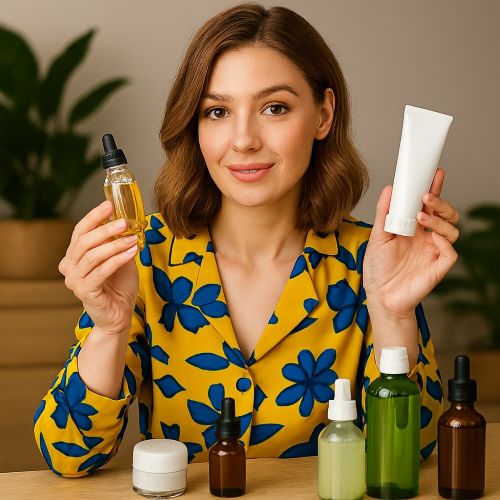 Marketplaces are increasingly choosing Ukrainian suppliers of cosmetic ingredients due to a combination of high-quality raw materials, competitive pricing, a focus on international certification, and efficient logistics. Ukraine’s rich agricultural heritage and fertile "chernozem" soil provide a strong foundation for producing potent botanical extracts and oils, while a growing commitment to modern production standards makes them a reliable partner for global businesses.
The Allure of Ukrainian Raw Materials
Several key factors make Ukrainian suppliers highly attractive to global marketplaces and cosmetic brands.
-
Superior Raw Material Quality: Ukraine's vast agricultural lands and unique black soil are ideal for cultivating medicinal plants and oil-bearing crops. This results in plants with a higher concentration of active compounds, which translates into more potent and effective cosmetic ingredients. Standout ingredients include cold-pressed hemp seed oil, sea buckthorn oil , and a wide variety of herbal extracts like chamomile, calendula, and linden.
-
Competitive Pricing: Compared to Western European and American suppliers, Ukrainian manufacturers offer significantly lower production costs. This allows marketplaces to provide high-quality ingredients at competitive prices, making them accessible to a wider range of customers, from small-scale formulators to private-label brands.
-
International Certification and Quality Control: Many modern Ukrainian suppliers are committed to international standards, obtaining certifications like Ecocert and ISO 9001. This ensures their products meet stringent quality, safety, and organic standards, making them a trusted source for export to the EU and other international markets.
-
Efficient Logistics: Ukraine's geographic location and established export infrastructure allow for efficient and relatively fast delivery to European markets. This logistical advantage is crucial for marketplaces that need to maintain consistent stock and quick turnaround times.
-
Traceability and Transparency: Reputable Ukrainian suppliers provide full documentation, including Certificates of Analysis (COA) and Safety Data Sheets (SDS), which allows brands to trace the ingredients from farm to final product. This level of transparency is a key advantage over many industrial, mass-produced alternatives.
Advantages Over Industrial Analogues
Choosing certified Ukrainian raw materials gives cosmetic formulators a significant edge over using generic, mass-produced ingredients.
-
Higher Purity and Potency: Because many Ukrainian ingredients are sourced from less industrialized areas, they have a lower risk of contamination from pesticides and heavy metals. This purity and potency mean you can use smaller quantities to achieve the same or better results.
-
Sustainability and Ethical Sourcing: Many Ukrainian producers are adopting eco-friendly farming and harvesting methods, appealing to a growing consumer segment that prioritizes sustainability. Sourcing locally not only supports Ukrainian farmers but also reduces the carbon footprint associated with long-distance transportation.
-
Complete Transparency: Unlike industrial suppliers, who may not disclose the exact origin or process for their ingredients, Ukrainian suppliers often provide detailed documentation that gives you complete peace of mind.
Three Recipes Using Premium Ukrainian Ingredients
These recipes showcase the benefits of using high-quality Ukrainian raw materials to create effective and unique cosmetic products.
Recipe 1: Regenerating Sea Buckthorn Facial Serum
This serum is packed with antioxidants and vitamins to repair and rejuvenate the skin, using potent Ukrainian oils.
-
Prepare the ingredients. Weigh out 40g of certified Ukrainian cold-pressed hemp seed oil, 5g of Ukrainian sea buckthorn oil, and 4g of Vitamin E (as an antioxidant for the formula).
-
Combine the oils. In a dark glass bottle with a dropper, pour in the hemp seed oil and sea buckthorn oil. The vibrant orange color of the sea buckthorn oil is a natural indicator of its high beta-carotene content.
-
Add the antioxidant. Add the Vitamin E to the oil blend and shake well to combine.
Recommendations for Use: Apply a few drops to clean skin in the evening. The serum will deeply nourish and regenerate the skin overnight.
Storage: Store in a cool, dark place. The shelf life is up to 6 months.
Recipe 2: Soothing Herbal Toner
This simple toner leverages the anti-inflammatory and soothing properties of Ukrainian herbal extracts.
-
Prepare the water phase. In a sterilized spray bottle, measure 95g of distilled water.
-
Add the extracts. Add 2g of a certified Ukrainian chamomile extract and 2g of a linden extract. Both are known for their calming effects.
-
Add the preservative. Add 1g of a broad-spectrum preservative suitable for water-based products (such as Geogard 221). Shake well to mix thoroughly.
Recommendations for Use: Spritz on the face after cleansing to soothe and prepare the skin for further treatments.
Storage: Store in the refrigerator to maintain freshness and enhance the cooling effect. Use within 3 months.
Recipe 3: Detoxifying Clay Mask
This mask uses highly purified Ukrainian clays, which are rich in minerals and excellent for purifying the skin.
-
Prepare the powders. In a small bowl, weigh 15g of Ukrainian green clay powder and 5g of oat flour. The oat flour helps to soothe the skin and prevent the clay from over-drying it.
-
Add the extract. Add 1g of dried calendula extract powder.
-
Mix with liquid. When ready to use, mix a small amount of the dry blend with distilled water or a soothing Ukrainian hydrosol (like chamomile or rose) to form a paste.
Recommendations for Use: Apply a thin layer to the face, leave on for 10-15 minutes, then rinse off.
Storage: Store the dry mixture in a cool, dry place in an air-tight container. Since there is no water, this recipe is shelf-stable for a very long time. This is a significant advantage over pre-made liquid masks that require preservatives.


Cosmetic ingredients and professional formulation blog
This section features expert materials on modern cosmetic actives. We cover peptides, polynucleotides PDRN, different forms of hyaluronic acid, retinoids, ceramides and other key components.
Special focus is given to active stability, ingredient compatibility and correct incorporation into formulas. You will find practical guides on working with anti-age actives, moisturizing complexes and barrier repair ingredients.
We examine how to properly combine myorelaxants with peptides, common mistakes when using unstable vitamin C forms and ways to improve the performance of moisturizing actives.
Separate materials are dedicated to base oils, extracts, emulsifiers and supporting ingredients. This helps create stable and effective formulas for both professional and home cosmetics.
The blog regularly publishes reviews of trending actives, comparisons of similar ingredients and step-by-step formulation recommendations. The content is aimed at formulators, technologists and anyone seriously involved in creating cosmetic products.
Why this blog is useful
Here you will find practical data on eye area care actives, lifting systems and ingredients that improve skin firmness and tone. We rely on real formulation experience and address the actual challenges that arise during product development.
You can also explore materials on skin protection and repair, depigmentation and anti-inflammatory actives. This approach supports a more systematic selection of ingredients.
FAQ
What topics are covered most often
The blog focuses on peptides, PDRN, hyaluronic acid of different molecular weights, retinoids, ceramides and their compatibility rules.
Are there practical recommendations on how to incorporate actives
Yes, most articles include practical notes on pH stability, incorporation temperature and common formulation mistakes.
Is the content only for professionals
The materials are useful both for formulators and technologists and for those who create cosmetics for personal use and want to understand how modern ingredients work.
Where can I go directly to the ingredients
All key actives are collected in the Actives section, while base components are available in base oils and related categories.



