-
 DIY: Video master classes
-
 Aromatherapy
-
 Felting master classes
-
 Eating at home
-
 DIY cosmetics for children
-
 Cooking recipes
-
 Detergents, cleaning products with your own hands
-
 Soap making as a business
-
 Natural cosmetics. Raw materials for cosmetics and soap.
-
 Natural oils in cosmetics
-
 News
-
 Recipes for balms and conditioners
-
 Bath Bomb Recipes
-
 Cream recipes. Cream making.
-
 Lotion recipes. Gel recipes.
-
 Mask recipes
-
 Soap recipes. Base soap. Soap from scratch.
-
 Recipes for all occasions
-
 Natural shampoo recipes
-
 Healthy Nutrition Recipes
-
 Scrub recipes. Massage tiles. Ubtan
-
 DIY candles
-
 Reference materials, questions, tips
-
 Startup - soap production
-
 Hair care. Tips, recipes
-
 Facial skin care. Cleansers.
-
 Body care. Tips, recipes
-
 Photo Reviews
-
 Chocolate Handmade


Peptides in cosmetics how to choose and what to combine with in a home formula
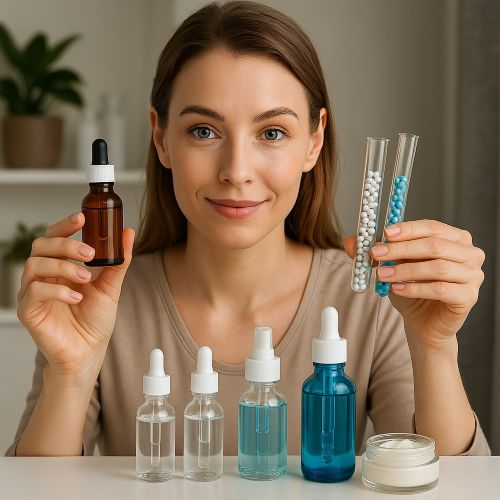 In the world of skincare, where buzzwords come and go, peptides have earned their place as a foundational, science-backed powerhouse. These tiny protein fragments are the unsung heroes working behind the scenes to help your skin look firmer, smoother, and more youthful. But with so many types of peptides on the market, it can be confusing to know what to choose and how to combine them with other ingredients.
This guide will demystify peptides, explain how they work, detail the different kinds you should look for, and give you clear advice on building a highly effective skincare routine with them.
What Exactly Are Peptides and Why Are They So Important?
Peptides are short chains of amino acids, which are the building blocks of proteins. Think of them as messengers that tell your skin cells what to do. When your body naturally produces peptides, they signal your skin to perform vital functions like creating more collagen and elastin—the proteins responsible for your skin's firmness, texture, and resilience.
As we age, our natural peptide production slows down, leading to a decrease in collagen and the visible signs of aging, such as fine lines, wrinkles, and a loss of firmness. By applying a product with peptides topically, you're essentially sending new messages to your skin cells, encouraging them to get back to work and boost their own production of these essential proteins.
The Main Types of Peptides and What They Do
Not all peptides are created equal. Each type is a different messenger with a specific job. Knowing what to look for on an ingredient list can help you choose the right product for your skin's needs.
-
Signaling Peptides: These are the most common peptides found in skincare. They directly signal your cells to increase collagen production, which helps to plump up the skin and reduce the appearance of wrinkles. Look for ingredients like Matrixyl or Palmitoyl Tripeptide-1. These are great for overall anti-aging and firming.
-
Carrier Peptides: Their job is to transport vital nutrients—like trace elements and minerals—deep into the skin. A well-known example is copper peptides. By delivering copper to the skin, they help promote wound healing and have anti-inflammatory effects. They are excellent for repairing skin and reducing redness.
-
Enzyme Inhibitor Peptides: These peptides work by blocking the enzymes that break down collagen. By slowing down this natural process, they help to preserve your existing collagen levels, keeping your skin looking younger for longer. Ingredients like Rice Peptides fall into this category.
-
Neurotransmitter-Inhibitor Peptides (Botox-like Peptides): These peptides are designed to temporarily block the signals between nerves and facial muscles. This helps to relax the muscles, which in turn reduces the appearance of dynamic wrinkles (the lines formed by repeated facial expressions). Argireline is a popular example of a peptide in this group. It's a fantastic, non-invasive option for targeting forehead lines and crow’s feet.
How to Choose the Right Peptide Product for You
When selecting a peptide product, keep these key factors in mind to ensure you get the best results:
-
Look for Serums and Moisturizers: Peptides work best when they have enough time to penetrate the skin. A leave-on product like a serum or a moisturizer is ideal, as opposed to a cleanser or mask that gets rinsed off.
-
Check the Concentration: The peptides should be listed high up on the ingredient list, indicating a significant concentration.
-
Choose the Right Type: For a comprehensive anti-aging routine, opt for products with a mix of signaling and carrier peptides. If your main concern is fine lines from facial expressions, look for products with Argireline. If you have sensitive skin, copper peptides can be particularly soothing.
Combining Peptides with Other Key Ingredients
Peptides play well with almost every other skincare ingredient, but a few combinations are particularly effective. Pairing them with these ingredients can create a powerful, synergistic effect that takes your skincare routine to the next level.
-
With Hyaluronic Acid: This is a fantastic combination for hydration and anti-aging. Hyaluronic acid pulls moisture into the skin, creating a plump, hydrated canvas that allows the peptides to work more effectively. Using a peptide serum after a hyaluronic acid toner is a great way to layer these ingredients.
-
With Antioxidants: Pairing peptides with antioxidants like Vitamin C or Vitamin E provides comprehensive protection. While peptides focus on repairing and rebuilding from within, antioxidants fight off environmental damage from free radicals. Use a Vitamin C serum in the morning and a peptide product at night for best results, or look for a professionally formulated product that combines stable versions of both.
-
With Niacinamide: This is a perfect duo for overall skin health. Niacinamide helps to strengthen the skin barrier and balance oil production, creating a healthy environment for peptides to thrive. This combination is particularly beneficial for those with sensitive or blemish-prone skin.
Integrating Peptides into Your Skincare Routine
Adding peptides to your daily regimen is simple and can be done in two easy steps:
-
Morning Routine: Start your day with a gentle cleanse, followed by a Vitamin C serum to protect against environmental stressors. Then apply a lightweight, hydrating peptide serum before your moisturizer and sunscreen.
-
Evening Routine: After cleansing and toning, apply your chosen peptide product. This is the ideal time for peptides to work their magic, as your skin enters its natural repair cycle overnight. Follow with a nourishing moisturizer to lock everything in.
The Advantage of Professionally Formulated Peptide Cosmetics
While the idea of a "home formula" can be appealing, it’s crucial to use professionally formulated peptide products. Peptides are complex and highly sensitive ingredients that require precise pH levels, specific concentrations, and stable carrier systems to be effective.
Leading cosmetic brands invest heavily in research and development to ensure their peptide formulas are not only potent but also stable and safe. This means the peptides in a quality product are able to penetrate the skin barrier and deliver their message to the cells without breaking down. A professionally created product also contains the right preservatives to prevent contamination, ensuring what you put on your face is both effective and completely safe.
Choosing a quality, store-bought peptide product is the best way to get the full benefits of these remarkable ingredients without the risks of DIY formulation.
Final Thoughts: A Long-Term Investment
Peptides are not a quick fix but a long-term investment in your skin's health and vitality. By consistently incorporating them into your routine, you are helping to rebuild and maintain the very structure of your skin. Whether your goal is to reduce fine lines, improve texture, or simply maintain your youthful glow, peptides are a powerful and effective tool that can help you achieve a healthier, more radiant complexion.


Cosmetic ingredients and professional formulation blog
This section features expert materials on modern cosmetic actives. We cover peptides, polynucleotides PDRN, different forms of hyaluronic acid, retinoids, ceramides and other key components.
Special focus is given to active stability, ingredient compatibility and correct incorporation into formulas. You will find practical guides on working with anti-age actives, moisturizing complexes and barrier repair ingredients.
We examine how to properly combine myorelaxants with peptides, common mistakes when using unstable vitamin C forms and ways to improve the performance of moisturizing actives.
Separate materials are dedicated to base oils, extracts, emulsifiers and supporting ingredients. This helps create stable and effective formulas for both professional and home cosmetics.
The blog regularly publishes reviews of trending actives, comparisons of similar ingredients and step-by-step formulation recommendations. The content is aimed at formulators, technologists and anyone seriously involved in creating cosmetic products.
Why this blog is useful
Here you will find practical data on eye area care actives, lifting systems and ingredients that improve skin firmness and tone. We rely on real formulation experience and address the actual challenges that arise during product development.
You can also explore materials on skin protection and repair, depigmentation and anti-inflammatory actives. This approach supports a more systematic selection of ingredients.
FAQ
What topics are covered most often
The blog focuses on peptides, PDRN, hyaluronic acid of different molecular weights, retinoids, ceramides and their compatibility rules.
Are there practical recommendations on how to incorporate actives
Yes, most articles include practical notes on pH stability, incorporation temperature and common formulation mistakes.
Is the content only for professionals
The materials are useful both for formulators and technologists and for those who create cosmetics for personal use and want to understand how modern ingredients work.
Where can I go directly to the ingredients
All key actives are collected in the Actives section, while base components are available in base oils and related categories.



