-
 DIY: Video master classes
-
 Aromatherapy
-
 Felting master classes
-
 Eating at home
-
 DIY cosmetics for children
-
 Cooking recipes
-
 Detergents, cleaning products with your own hands
-
 Soap making as a business
-
 Natural cosmetics. Raw materials for cosmetics and soap.
-
 Natural oils in cosmetics
-
 News
-
 Recipes for balms and conditioners
-
 Bath Bomb Recipes
-
 Cream recipes. Cream making.
-
 Lotion recipes. Gel recipes.
-
 Mask recipes
-
 Soap recipes. Base soap. Soap from scratch.
-
 Recipes for all occasions
-
 Natural shampoo recipes
-
 Healthy Nutrition Recipes
-
 Scrub recipes. Massage tiles. Ubtan
-
 DIY candles
-
 Reference materials, questions, tips
-
 Startup - soap production
-
 Hair care. Tips, recipes
-
 Facial skin care. Cleansers.
-
 Body care. Tips, recipes
-
 Photo Reviews
-
 Chocolate Handmade


Peptide serum for increasing skin elasticity and smoothing wrinkles
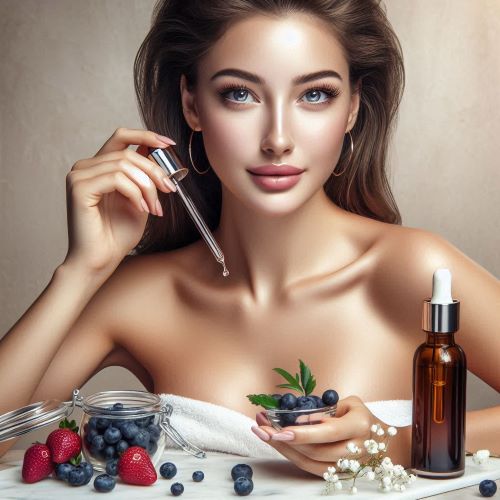 Peptide serums have emerged as a powerful tool in the fight against aging. These potent formulations, packed with short chains of amino acids, work to stimulate collagen and elastin production, resulting in firmer, smoother, and more youthful skin.
Understanding the Science Behind Peptide Serums
Peptides are the building blocks of proteins, including collagen and elastin, which are essential for skin's structure and elasticity. When applied topically, peptides can signal skin cells to increase collagen and elastin production, leading to a reduction in fine lines and wrinkles.
DIY Peptide Serums: A Personalized Approach
Creating your own peptide serum allows you to tailor the ingredients to your specific skin needs. Here are three DIY peptide serum recipes:
1. Anti-Aging Peptide Serum with Hyaluronic Acid
Ingredients:
- Distilled water
- Hyaluronic acid (1%)
- Copper tripeptide-1 (0.1%)
- Palmitoyl tripeptide-5 (0.1%)
- Vitamin E oil
- Preservative (e.g., phenoxyethanol)
Instructions:
- Combine Water-Soluble Ingredients: In a clean, sanitized container, mix distilled water and hyaluronic acid.
- Add Peptides: Add copper tripeptide-1 and palmitoyl tripeptide-5 to the mixture and stir well.
- Incorporate Oil-Soluble Ingredients: Add vitamin E oil to the mixture and blend thoroughly.
- Add Preservative: Finally, add the preservative to prevent microbial growth.
- Store: Transfer the serum to a clean, airtight container and store in a cool, dark place.
Benefits:
- Reduces fine lines and wrinkles: Copper tripeptide-1 stimulates collagen production.
- Improves skin texture: Palmitoyl tripeptide-5 promotes skin cell turnover.
- Hydrates skin: Hyaluronic acid attracts and retains moisture.
2. Brightening Peptide Serum with Vitamin C
Ingredients:
- Distilled water
- Ascorbic acid (Vitamin C powder)
- Hyaluronic acid (1%)
- Acetyl tetrapeptide-2 (0.1%)
- Vitamin E oil
- Preservative (e.g., phenoxyethanol)
Instructions:
- Combine Water-Soluble Ingredients: In a clean, sanitized container, mix distilled water, hyaluronic acid, and ascorbic acid.
- Add Peptide: Add acetyl tetrapeptide-2 to the mixture and stir well.
- Incorporate Oil-Soluble Ingredients: Add vitamin E oil to the mixture and blend thoroughly.
- Add Preservative: Finally, add the preservative to prevent microbial growth.
- Store: Transfer the serum to a clean, airtight container and store in a cool, dark place.
Benefits:
- Brightens skin tone: Vitamin C inhibits melanin production.
- Reduces fine lines and wrinkles: Acetyl tetrapeptide-2 relaxes facial muscles.
- Hydrates skin: Hyaluronic acid attracts and retains moisture.
3. Firming Peptide Serum with Retinol
Ingredients:
- Distilled water
- Hyaluronic acid (1%)
- Retinol (0.25%)
- Palmitoyl pentapeptide-4 (0.1%)
- Vitamin E oil
- Preservative (e.g., phenoxyethanol)
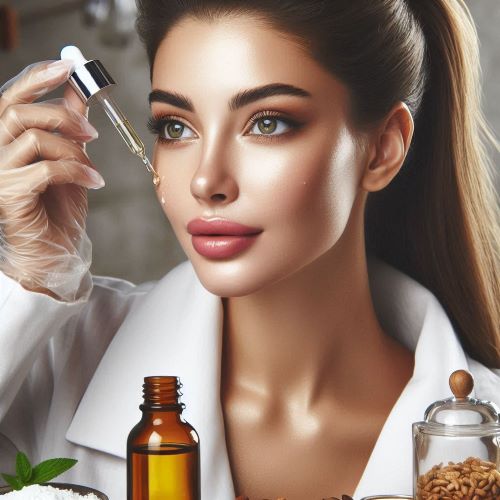 Instructions:
- Combine Water-Soluble Ingredients: In a clean, sanitized container, mix distilled water and hyaluronic acid.
- Add Retinol and Peptide: Add retinol and palmitoyl pentapeptide-4 to the mixture and stir well.
- Incorporate Oil-Soluble Ingredients: Add vitamin E oil to the mixture and blend thoroughly.
- Add Preservative: Finally, add the preservative to prevent microbial growth.
- Store: Transfer the serum to a clean, airtight container and store in a cool, dark place.
Benefits:
- Reduces fine lines and wrinkles: Retinol stimulates collagen production.
- Firms skin: Palmitoyl pentapeptide-4 boosts collagen synthesis.
- Hydrates skin: Hyaluronic acid attracts and retains moisture.
Tips for Using Peptide Serums
- Patch Test: Before applying a new serum, perform a patch test to check for any allergic reactions.
- Cleanse Skin: Ensure your face is clean and dry before applying the serum.
- Apply Morning and Night: For optimal results, use the serum twice a day.
- Layer with Moisturizer: Follow up with a moisturizer to lock in hydration.
- Sun Protection: Always wear sunscreen during the day to protect your skin from UV damage.
Remember, consistency is key when using peptide serums. With regular use, you can experience a significant improvement in your skin's texture, tone, and overall appearance.


Cosmetic ingredients and professional formulation blog
This section features expert materials on modern cosmetic actives. We cover peptides, polynucleotides PDRN, different forms of hyaluronic acid, retinoids, ceramides and other key components.
Special focus is given to active stability, ingredient compatibility and correct incorporation into formulas. You will find practical guides on working with anti-age actives, moisturizing complexes and barrier repair ingredients.
We examine how to properly combine myorelaxants with peptides, common mistakes when using unstable vitamin C forms and ways to improve the performance of moisturizing actives.
Separate materials are dedicated to base oils, extracts, emulsifiers and supporting ingredients. This helps create stable and effective formulas for both professional and home cosmetics.
The blog regularly publishes reviews of trending actives, comparisons of similar ingredients and step-by-step formulation recommendations. The content is aimed at formulators, technologists and anyone seriously involved in creating cosmetic products.
Why this blog is useful
Here you will find practical data on eye area care actives, lifting systems and ingredients that improve skin firmness and tone. We rely on real formulation experience and address the actual challenges that arise during product development.
You can also explore materials on skin protection and repair, depigmentation and anti-inflammatory actives. This approach supports a more systematic selection of ingredients.
FAQ
What topics are covered most often
The blog focuses on peptides, PDRN, hyaluronic acid of different molecular weights, retinoids, ceramides and their compatibility rules.
Are there practical recommendations on how to incorporate actives
Yes, most articles include practical notes on pH stability, incorporation temperature and common formulation mistakes.
Is the content only for professionals
The materials are useful both for formulators and technologists and for those who create cosmetics for personal use and want to understand how modern ingredients work.
Where can I go directly to the ingredients
All key actives are collected in the Actives section, while base components are available in base oils and related categories.



