-
 DIY: Video master classes
-
 Aromatherapy
-
 Felting master classes
-
 Eating at home
-
 DIY cosmetics for children
-
 Cooking recipes
-
 Detergents, cleaning products with your own hands
-
 Soap making as a business
-
 Natural cosmetics. Raw materials for cosmetics and soap.
-
 Natural oils in cosmetics
-
 News
-
 Recipes for balms and conditioners
-
 Bath Bomb Recipes
-
 Cream recipes. Cream making.
-
 Lotion recipes. Gel recipes.
-
 Mask recipes
-
 Soap recipes. Base soap. Soap from scratch.
-
 Recipes for all occasions
-
 Natural shampoo recipes
-
 Healthy Nutrition Recipes
-
 Scrub recipes. Massage tiles. Ubtan
-
 DIY candles
-
 Reference materials, questions, tips
-
 Startup - soap production
-
 Hair care. Tips, recipes
-
 Facial skin care. Cleansers.
-
 Body care. Tips, recipes
-
 Photo Reviews
-
 Chocolate Handmade


Non-drying facial cleanser - gentle cleansing and comfort
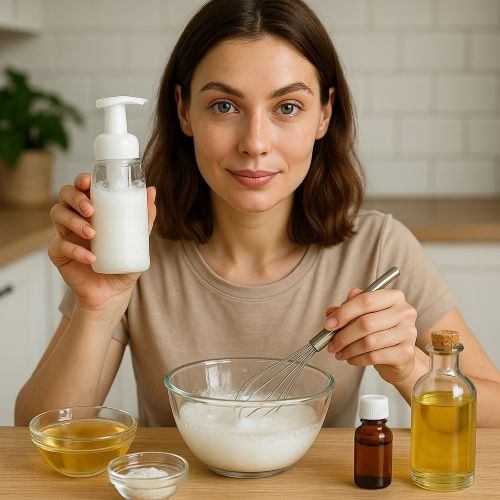 The quest for clean, healthy skin often leads us to cleansers that promise to remove impurities. However, many commercial face washes, particularly foams, can strip the skin of its natural oils, leaving it feeling tight, dry, and uncomfortable. This is especially problematic for those with dry or sensitive skin. The good news is that you can create your own face washing foam at home, tailored to your specific needs and free from harsh ingredients. This article will guide you through the process, exploring the benefits of gentle cleansing, detailing three effective recipes, and providing tips for use and storage.
Why Gentle Cleansing Matters
Our skin is a delicate ecosystem, protected by a natural barrier of oils and lipids. This barrier helps retain moisture, defend against environmental aggressors, and maintain a healthy pH balance. Harsh cleansers disrupt this barrier, leading to:
- Dryness and Dehydration: Stripped of its natural oils, the skin loses moisture, becoming dry, flaky, and prone to irritation.
- Increased Sensitivity: A compromised skin barrier is more vulnerable to irritants, allergens, and bacteria.
- Inflammation and Redness: Harsh ingredients can cause inflammation, leading to redness and discomfort.
- Premature Aging: Chronic dryness and inflammation can accelerate the appearance of fine lines and wrinkles.
- Overproduction of Oil: Paradoxically, stripping the skin of its oils can trigger the sebaceous glands to produce even *more* oil in an attempt to compensate, leading to breakouts.
Gentle cleansing, on the other hand, respects the skin's natural balance. It effectively removes dirt, makeup, and excess oil without compromising the protective barrier, leaving the skin feeling clean, soft, and comfortable.
Benefits of Homemade Face Washing Foam
Creating your own face washing foam offers several advantages over commercial products:
- Control Over Ingredients: You can choose gentle, natural ingredients that suit your specific skin type and avoid harsh chemicals, sulfates, parabens, and artificial fragrances.
- Customization: Tailor the recipe to address your unique needs. Add extra moisturizing ingredients for dry skin, soothing agents for sensitive skin, or clarifying extracts for oily skin.
- Cost-Effective: Homemade cleansers are often significantly cheaper than high-end commercial products.
- Freshness and Purity: You know exactly what's in your cleanser and can ensure it's free from preservatives and other additives.
- Environmentally Friendly: By making your own cleanser, you reduce your reliance on plastic packaging and potentially harmful chemicals that can pollute waterways.
Key Ingredients for Gentle Cleansing
The foundation of a non-drying face wash lies in carefully selected ingredients. Here are some of the most beneficial:
- Liquid Castile Soap: A gentle, vegetable-oil-based soap that effectively cleanses without stripping the skin. Choose an unscented variety to avoid potential irritants.
- Vegetable Glycerin: A humectant that attracts and retains moisture, helping to hydrate the skin.
- Carrier Oils (e.g., Jojoba Oil, Sweet Almond Oil, Apricot Kernel Oil): These oils provide moisturizing and nourishing benefits. Jojoba oil is particularly well-suited for all skin types as it closely resembles the skin's natural sebum.
- Essential Oils (Optional): Add a few drops of essential oils for their therapeutic benefits and pleasant aroma. Choose oils known for their gentle properties, such as lavender, chamomile, or frankincense. Avoid potentially irritating oils like citrus oils if you have sensitive skin.
- Hydrosols (Floral Waters): These are the aromatic waters produced during the steam distillation of essential oils. They offer mild cleansing and toning properties. Rosewater, lavender water, and chamomile water are excellent choices.
- Distilled Water: Use distilled water to ensure your cleanser is free from impurities.
Recipe #1: Basic Gentle Cleansing Foam
This simple recipe is a great starting point for creating a non-drying face wash. It's suitable for most skin types.
Ingredients:
- Liquid Castile Soap: 1/4 cup
- Vegetable Glycerin: 1 tablespoon
- Distilled Water: 3/4 cup
- Optional: 5-10 drops of essential oil (lavender, chamomile, or frankincense)
- Foaming pump bottle
Instructions:
- Combine the liquid castile soap, vegetable glycerin, and distilled water in a clean container.
- If using, add the essential oil(s) and stir gently to combine.
- Pour the mixture into a foaming pump bottle.
- To use, pump a small amount of foam into your hands, massage gently onto damp skin, and rinse thoroughly with lukewarm water.
Recipe #2: Hydrating Foam for Dry Skin
This recipe includes extra moisturizing ingredients to combat dryness and leave the skin feeling soft and supple.
Ingredients:
- Liquid Castile Soap: 1/4 cup
- Vegetable Glycerin: 2 tablespoons
- Jojoba Oil: 1 teaspoon
- Distilled Water: 3/4 cup
- Optional: 5 drops of lavender essential oil
- Foaming pump bottle
Instructions:
- Combine the liquid castile soap, vegetable glycerin, jojoba oil, and distilled water in a clean container.
- If using, add the lavender essential oil and stir gently.
- Pour the mixture into a foaming pump bottle.
- Use as directed in Recipe #1.
Recipe #3: Soothing Foam for Sensitive Skin
This recipe incorporates gentle and calming ingredients to minimize irritation and redness.
Ingredients:
- Liquid Castile Soap: 1/4 cup
- Vegetable Glycerin: 1 tablespoon
- Chamomile Hydrosol (or Distilled Water): 3/4 cup
- Optional: 3 drops of chamomile essential oil
- Foaming pump bottle
Instructions:
- Combine the liquid castile soap, vegetable glycerin, and chamomile hydrosol (or distilled water) in a clean container.
- If using, add the chamomile essential oil and stir gently.
- Pour the mixture into a foaming pump bottle.
- Use as directed in Recipe #1.
Recommendations for Use and Storage
Use:
- Wet Skin: Always apply face washing foam to damp skin.
- Gentle Massage: Gently massage the foam onto your face in circular motions for 30-60 seconds. Avoid harsh scrubbing.
- Rinse Thoroughly: Rinse your face thoroughly with lukewarm water.
- Pat Dry: Pat your skin dry with a soft towel. Avoid rubbing.
- Follow with Moisturizer: Always follow cleansing with a moisturizer to help replenish any lost moisture.
- Patch Test: If you have sensitive skin or are trying a new ingredient, perform a patch test on a small area of your skin before using it on your entire face.
Storage:
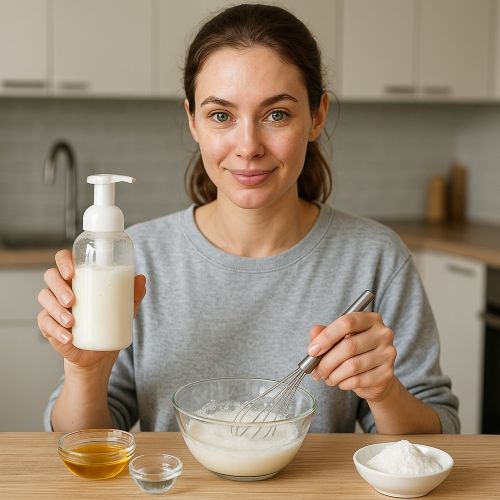
- Clean Container: Store your homemade face washing foam in a clean, airtight container, preferably a foaming pump bottle.
- Cool, Dark Place: Store the cleanser in a cool, dark place away from direct sunlight and heat.
- Shelf Life: Homemade face wash typically has a shorter shelf life than commercial products due to the lack of preservatives. It's best to use it within 1-2 weeks. If you notice any changes in color, odor, or texture, discard it.
Creating your own face washing foam is a simple and rewarding way to achieve clean, healthy, and comfortable skin. By choosing gentle, natural ingredients and tailoring the recipe to your specific needs, you can say goodbye to dryness and irritation and hello to a radiant, happy complexion.


Cosmetic ingredients and professional formulation blog
This section features expert materials on modern cosmetic actives. We cover peptides, polynucleotides PDRN, different forms of hyaluronic acid, retinoids, ceramides and other key components.
Special focus is given to active stability, ingredient compatibility and correct incorporation into formulas. You will find practical guides on working with anti-age actives, moisturizing complexes and barrier repair ingredients.
We examine how to properly combine myorelaxants with peptides, common mistakes when using unstable vitamin C forms and ways to improve the performance of moisturizing actives.
Separate materials are dedicated to base oils, extracts, emulsifiers and supporting ingredients. This helps create stable and effective formulas for both professional and home cosmetics.
The blog regularly publishes reviews of trending actives, comparisons of similar ingredients and step-by-step formulation recommendations. The content is aimed at formulators, technologists and anyone seriously involved in creating cosmetic products.
Why this blog is useful
Here you will find practical data on eye area care actives, lifting systems and ingredients that improve skin firmness and tone. We rely on real formulation experience and address the actual challenges that arise during product development.
You can also explore materials on skin protection and repair, depigmentation and anti-inflammatory actives. This approach supports a more systematic selection of ingredients.
FAQ
What topics are covered most often
The blog focuses on peptides, PDRN, hyaluronic acid of different molecular weights, retinoids, ceramides and their compatibility rules.
Are there practical recommendations on how to incorporate actives
Yes, most articles include practical notes on pH stability, incorporation temperature and common formulation mistakes.
Is the content only for professionals
The materials are useful both for formulators and technologists and for those who create cosmetics for personal use and want to understand how modern ingredients work.
Where can I go directly to the ingredients
All key actives are collected in the Actives section, while base components are available in base oils and related categories.



