-
 DIY: Video master classes
-
 Aromatherapy
-
 Felting master classes
-
 Eating at home
-
 DIY cosmetics for children
-
 Cooking recipes
-
 Detergents, cleaning products with your own hands
-
 Soap making as a business
-
 Natural cosmetics. Raw materials for cosmetics and soap.
-
 Natural oils in cosmetics
-
 News
-
 Recipes for balms and conditioners
-
 Bath Bomb Recipes
-
 Cream recipes. Cream making.
-
 Lotion recipes. Gel recipes.
-
 Mask recipes
-
 Soap recipes. Base soap. Soap from scratch.
-
 Recipes for all occasions
-
 Natural shampoo recipes
-
 Healthy Nutrition Recipes
-
 Scrub recipes. Massage tiles. Ubtan
-
 DIY candles
-
 Reference materials, questions, tips
-
 Startup - soap production
-
 Hair care. Tips, recipes
-
 Facial skin care. Cleansers.
-
 Body care. Tips, recipes
-
 Photo Reviews
-
 Chocolate Handmade


Bath foam "Uplifting your mood": a natural do-it-yourself remedy
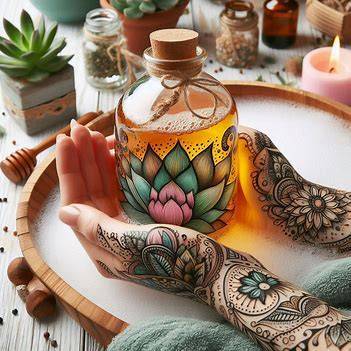 Feeling stressed, overwhelmed, or simply in need of a pick-me-up? Look no further than the humble bubble bath! This classic self-care ritual isn't just about relaxation; it can be a powerful tool for naturally boosting your mood.
Here's why a DIY bubble bath can be your secret weapon for emotional well-being:
The Science of Serenity: Warm water immersion has been shown to dilate blood vessels, improving circulation and promoting muscle relaxation. This, in turn, triggers the release of endorphins, the body's natural feel-good chemicals.
Aromatherapy Advantage: Essential oils, when used safely and appropriately, can enhance your bubble bath experience. Certain scents, like lavender and chamomile, are known for their calming and stress-relieving properties.
DIY Delight: The beauty of a DIY bubble bath is customization! Skip the harsh chemicals often found in commercial bubble baths and create a luxurious soak using natural ingredients.
Here's what you'll need:
- Carrier oil: Sweet almond oil, grapeseed oil, or jojoba oil are all excellent choices. (Avoid using carrier oils directly on skin; always dilute them first.)
- Castile soap: This gentle, plant-based soap creates fluffy bubbles without drying out your skin.
- Essential oils (optional): Choose based on your mood! Lavender for relaxation, citrus for a mood boost, or bergamot for stress relief. Always research safe dilution ratios for essential oils before use.
- Honey or oatmeal (optional): These can add a touch of luxury and may soothe irritated skin.
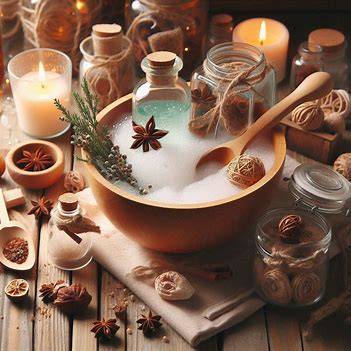 Creating Your Mood-Boosting Bath:
- Fill your tub with warm (not hot) water.
- Combine 1/4 cup carrier oil with 1/4 cup castile soap in a small bowl. Whisk vigorously to create a thick lather.
- Add 3-5 drops of your chosen essential oil(s) if using.
- Pour the mixture under running water, allowing the bubbles to form. You can also add a tablespoon of honey or a cup of colloidal oatmeal for an extra pampering touch.
- Light some candles, put on calming music, and grab a good book or your favorite podcast.
- Soak for at least 20 minutes, letting the warm water, gentle scents, and quiet atmosphere work their magic.
Tips for the Perfect DIY Bubble Bath:
- Patch test any essential oils on a small area of your skin before adding them to the bath.
- Pre-heat your bathroom towels to enhance the cozy experience.
- Enjoy a cup of herbal tea or calming beverage after your bath to extend the relaxation benefits.
- Make it a regular self-care ritual! Schedule time for a mood-boosting bubble bath whenever you feel stressed or need a mental break.
By incorporating this natural DIY bubble bath into your routine, you can create a powerful tool for managing stress, improving mood, and promoting overall well-being. So, light some candles, turn off the screens, and let the bubbles wash away your worries!
"


Cosmetic ingredients and professional formulation blog
This section features expert materials on modern cosmetic actives. We cover peptides, polynucleotides PDRN, different forms of hyaluronic acid, retinoids, ceramides and other key components.
Special focus is given to active stability, ingredient compatibility and correct incorporation into formulas. You will find practical guides on working with anti-age actives, moisturizing complexes and barrier repair ingredients.
We examine how to properly combine myorelaxants with peptides, common mistakes when using unstable vitamin C forms and ways to improve the performance of moisturizing actives.
Separate materials are dedicated to base oils, extracts, emulsifiers and supporting ingredients. This helps create stable and effective formulas for both professional and home cosmetics.
The blog regularly publishes reviews of trending actives, comparisons of similar ingredients and step-by-step formulation recommendations. The content is aimed at formulators, technologists and anyone seriously involved in creating cosmetic products.
Why this blog is useful
Here you will find practical data on eye area care actives, lifting systems and ingredients that improve skin firmness and tone. We rely on real formulation experience and address the actual challenges that arise during product development.
You can also explore materials on skin protection and repair, depigmentation and anti-inflammatory actives. This approach supports a more systematic selection of ingredients.
FAQ
What topics are covered most often
The blog focuses on peptides, PDRN, hyaluronic acid of different molecular weights, retinoids, ceramides and their compatibility rules.
Are there practical recommendations on how to incorporate actives
Yes, most articles include practical notes on pH stability, incorporation temperature and common formulation mistakes.
Is the content only for professionals
The materials are useful both for formulators and technologists and for those who create cosmetics for personal use and want to understand how modern ingredients work.
Where can I go directly to the ingredients
All key actives are collected in the Actives section, while base components are available in base oils and related categories.



