-
 DIY: Video master classes
-
 Aromatherapy
-
 Felting master classes
-
 Eating at home
-
 DIY cosmetics for children
-
 Cooking recipes
-
 Detergents, cleaning products with your own hands
-
 Soap making as a business
-
 Natural cosmetics. Raw materials for cosmetics and soap.
-
 Natural oils in cosmetics
-
 News
-
 Recipes for balms and conditioners
-
 Bath Bomb Recipes
-
 Cream recipes. Cream making.
-
 Lotion recipes. Gel recipes.
-
 Mask recipes
-
 Soap recipes. Base soap. Soap from scratch.
-
 Recipes for all occasions
-
 Natural shampoo recipes
-
 Healthy Nutrition Recipes
-
 Scrub recipes. Massage tiles. Ubtan
-
 DIY candles
-
 Reference materials, questions, tips
-
 Startup - soap production
-
 Hair care. Tips, recipes
-
 Facial skin care. Cleansers.
-
 Body care. Tips, recipes
-
 Photo Reviews
-
 Chocolate Handmade


Palmitoyl Tripeptide-1 in Cosmetics: How to Choose the Right Form and Avoid Dosage Mistakes
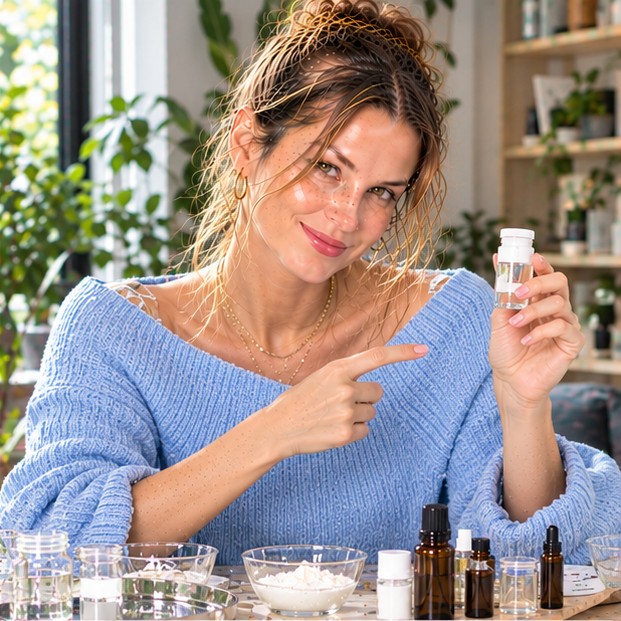 Palmitoyl Tripeptide-1 can appear in very different commercial raw materials. One example is Maxi-Lip 5 g, where the peptide is part of a multi-component lipophilic system. The INCI name alone therefore does not define solubility, addition phase or use level.
Identify the carrier before calculating dosage
A neat or concentrated peptide, an aqueous solution and an oil-compatible blend can contain the same key peptide at very different active concentrations. Use the specification for the exact supplied ingredient.
Palmitoyl Oligopeptide in older documentation
Older technical and marketing documents may use Palmitoyl Oligopeptide terminology. Do not assume that every historical name maps to an identical modern commercial product; compare full INCI and supplier information.
Facial serum versus emulsion
A water-compatible supplied form can support an aqueous or gel serum, while a lipophilic form belongs in an appropriate oil phase or emulsion. The carrier determines the processing route.
Lip-care needs its own formulation logic
Maxi-Lip combines Palmitoyl Tripeptide-1 with an oil-phase system, making it more relevant to balms, glosses and lipsticks than to a clear water serum.
Formulator workflow
1. Confirm full INCI.
2. Identify carrier and solubility.
3. Determine actual active concentration.
4. Check the supplier-recommended use level.
5. Define phase and processing temperature.
6. Evaluate finished-product stability.
Common errors
· treating 1% of a commercial blend as 1% neat peptide
· copying oil-phase processing into a water serum
· relying on historical nomenclature without checking full INCI
· stacking similar peptide blends without reviewing their composition
Internal navigation
Compare other functional systems in cosmetic peptides and use wholesale peptides for larger production formats.
FAQ
Is Palmitoyl Oligopeptide always identical to any Palmitoyl Tripeptide-1 raw material?
No. Commercial products can differ in carrier, concentration and full composition.
Can Maxi-Lip be treated as a water-serum peptide?
It is a lipophilic multi-component system, so formulation should follow its own technical documentation and an appropriate vehicle.
Conclusion
Palmitoyl Tripeptide-1 should be formulated through the identity of the actual supplied material. Full INCI, carrier, active concentration and recommended processing are more useful than the peptide name alone and help create genuinely different facial and lip-care products.


Cosmetic ingredients and professional formulation blog
This section features expert materials on modern cosmetic actives. We cover peptides, polynucleotides PDRN, different forms of hyaluronic acid, retinoids, ceramides and other key components.
Special focus is given to active stability, ingredient compatibility and correct incorporation into formulas. You will find practical guides on working with anti-age actives, moisturizing complexes and barrier repair ingredients.
We examine how to properly combine myorelaxants with peptides, common mistakes when using unstable vitamin C forms and ways to improve the performance of moisturizing actives.
Separate materials are dedicated to base oils, extracts, emulsifiers and supporting ingredients. This helps create stable and effective formulas for both professional and home cosmetics.
The blog regularly publishes reviews of trending actives, comparisons of similar ingredients and step-by-step formulation recommendations. The content is aimed at formulators, technologists and anyone seriously involved in creating cosmetic products.
Why this blog is useful
Here you will find practical data on eye area care actives, lifting systems and ingredients that improve skin firmness and tone. We rely on real formulation experience and address the actual challenges that arise during product development.
You can also explore materials on skin protection and repair, depigmentation and anti-inflammatory actives. This approach supports a more systematic selection of ingredients.
FAQ
What topics are covered most often
The blog focuses on peptides, PDRN, hyaluronic acid of different molecular weights, retinoids, ceramides and their compatibility rules.
Are there practical recommendations on how to incorporate actives
Yes, most articles include practical notes on pH stability, incorporation temperature and common formulation mistakes.
Is the content only for professionals
The materials are useful both for formulators and technologists and for those who create cosmetics for personal use and want to understand how modern ingredients work.
Where can I go directly to the ingredients
All key actives are collected in the Actives section, while base components are available in base oils and related categories.



