-
 DIY: Video master classes
-
 Aromatherapy
-
 Felting master classes
-
 Eating at home
-
 DIY cosmetics for children
-
 Cooking recipes
-
 Detergents, cleaning products with your own hands
-
 Soap making as a business
-
 Natural cosmetics. Raw materials for cosmetics and soap.
-
 Natural oils in cosmetics
-
 News
-
 Recipes for balms and conditioners
-
 Bath Bomb Recipes
-
 Cream recipes. Cream making.
-
 Lotion recipes. Gel recipes.
-
 Mask recipes
-
 Soap recipes. Base soap. Soap from scratch.
-
 Recipes for all occasions
-
 Natural shampoo recipes
-
 Healthy Nutrition Recipes
-
 Scrub recipes. Massage tiles. Ubtan
-
 DIY candles
-
 Reference materials, questions, tips
-
 Startup - soap production
-
 Hair care. Tips, recipes
-
 Facial skin care. Cleansers.
-
 Body care. Tips, recipes
-
 Photo Reviews
-
 Chocolate Handmade


Fragrances for soap in acidic and alkaline environments: the best categories and selection
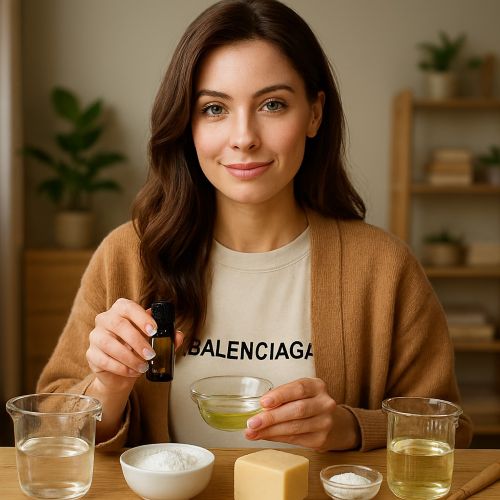 The scent of a cosmetic product is often the primary factor that determines a consumer emotional connection to a brand. However in the world of professional soap making and skincare formulation fragrance is not just about aesthetics it is a complex chemical interaction. Aromas behave differently depending on the pH level of the medium. A scent that smells divine in a bottle might disappear entirely or turn into an unpleasant chemical odor when introduced to the high pH of cold process soap or the acidic environment of a facial cleanser.
This guide provides a deep technical analysis of how soap fragrances in acidic and alkaline environments perform. We explore the chemistry of scent stability identify the most resilient aroma categories and provide practical recipes that ensure your products maintain a professional and long lasting olfactory profile. Understanding these nuances allows you to create high quality cosmetics that retain their sensory appeal far longer than mass market industrial alternatives.
The Chemistry of Scent and pH Stability
The chemical environment of a soap mass significantly impacts the molecular structure of fragrance oils. pH levels dictate whether a scent will thrive or degrade during the saponification and curing processes.
Alkaline Environments High pH Cold process soap typically has a pH between 9 and 12 during the initial mixing phase. This harsh alkalinity can cause esters to hydrolyze which effectively breaks down the fragrance molecule. Common issues include the acceleration of the trace (the soap thickening too quickly) discoloration (turning the soap brown or orange) and scent morphing where the fragrance profile changes completely.
Acidic Environments Low pH Cleansers shampoos and certain liquid soaps are often formulated at a skin friendly pH of 4.5 to 5.5. While less aggressive than lye acidic environments can still affect the stability of certain citrus and floral notes. Oxidation is the primary enemy here causing the scent to become rancid or weak over time if not properly stabilized.
Best Scent Categories for Maximum Stability
To ensure success in your formulations you must select fragrances from categories known for their resilience against chemical shifts.
Woody and Earthy Notes Sandlewood Cedarwood Patchouli and Vetiver are among the most stable scents in both alkaline and acidic environments. Their heavy molecular weight prevents rapid evaporation and they rarely cause acceleration or discoloration in cold process soap.
Spice Categories Clove Cinnamon and Cardamom are incredibly potent and long lasting. However they contain Eugenol which can cause the soap mass to seize or accelerate rapidly. In professional formulation these are often used in small percentages or blended with more stable carriers.
Resilient Florals While many delicate florals like Lily of the Valley struggle with high pH scents like Lavender Geranium and Ylang Ylang are exceptionally robust. They maintain their true botanical profile even after weeks of curing in a high pH environment.
Recipe 1 Robust Herbal Lavender Cold Process Soap
This recipe uses a high pH environment and focuses on maintaining a clear herbal scent that does not fade during the 6 week cure.
Ingredients 300 grams Olive Oil 150 grams Coconut Oil 50 grams Shea Butter 70 grams Sodium Hydroxide 155 grams Distilled Water 15 grams Lavender Fragrance Oil or Essential Oil 5 grams Litsea Cubeba Essential Oil for scent anchoring.
Step one Prepare the lye solution by adding Sodium Hydroxide to Distilled Water and allow it to cool to 35 degrees Celsius. Step two Melt the solid Shea Butter and Coconut Oil then combine them with the Olive Oil in a heat safe container. Step three Carefully pour the lye solution into the oils and use a stick blender until you reach a light trace. Step four Incorporate the Lavender and Litsea Cubeba oils. The Litsea Cubeba acts as a fixative helping the volatile Lavender notes stay anchored in the alkaline mass. Step five Pour the mixture into your mold and tap firmly to release air bubbles. Step six Allow the soap to sit for 48 hours before unmolding then cure for at least 42 days in a ventilated area to allow the pH to stabilize.
Recipe 2 Stabilized Citrus Burst pH Balanced Cleanser
Acidic environments can cause citrus scents to fade. This recipe uses a low pH liquid base to preserve the brightness of the aroma.
Ingredients 200 ml Decyl Glucoside or Liquid Soap Base 50 ml Aloe Vera Gel 5 ml Glycerin 2 ml Sweet Orange Fragrance Oil 1 ml Lemon Peel Essential Oil 0.5 grams Citric Acid to adjust pH.
Step one Mix the Decyl Glucoside and Aloe Vera Gel gently in a glass beaker to avoid creating excessive foam. Step two In a separate small container blend the Glycerin with the Orange and Lemon oils. Glycerin helps disperse the fragrance evenly throughout the water based cleanser. Step three Combine the oil mixture with the soap base and stir slowly. Step four Test the pH using a digital meter or strips. It should be between 5.0 and 5.5. Step five Add Citric Acid in very small increments if the pH needs to be lowered to reach the acidic target. Step six Transfer to a pump bottle and allow the formula to rest for 24 hours to let the scent fully integrate.
Recipe 3 Deep Woods Anhydrous Soap Scrub
This waterless formulation is pH neutral and provides the perfect environment for complex woody scents to shine without chemical interference.
Ingredients 250 grams Opaque Melt and Pour Soap Base 50 grams Fine Sea Salt 10 ml Jojoba Oil 5 ml Sandalwood Fragrance Oil 2 ml Cedarwood Essential Oil.
Step one Cut the soap base into small pieces and melt using a double boiler at a temperature not exceeding 70 degrees Celsius. Step two Once liquid remove from heat and stir in the Jojoba Oil to add moisturizing properties. Step three Add the Sandalwood and Cedarwood oils. Since this base is already saponified and neutral the woody notes will remain true to their original scent profile. Step four Wait for the base to cool slightly until it starts to thicken then fold in the Sea Salt. This prevents the salt from sinking to the bottom. Step five Pour the scrub into wide mouth jars or silicone molds. Step six Let the bars harden completely for 4 hours before use. No curing time is required for this method.
Detailed Recommendations for Use and Storage
Proper handling and storage are essential to prevent scent degradation over time.
Application Nuances When using products with high fragrance loads always perform a patch test on a small area of skin. Essential oils and fragrances can be more reactive in high pH soaps during the first few days of use before the bar has fully neutralized. For acidic cleansers ensure the product is rinsed thoroughly to avoid any lingering scent oils causing irritation.
Optimal Storage Techniques Fragrance molecules are sensitive to light and temperature. Store your finished soaps and cosmetics in a cool dry and dark environment. Exposure to direct sunlight will cause the oils to oxidize leading to a loss of aroma and potential discoloration.
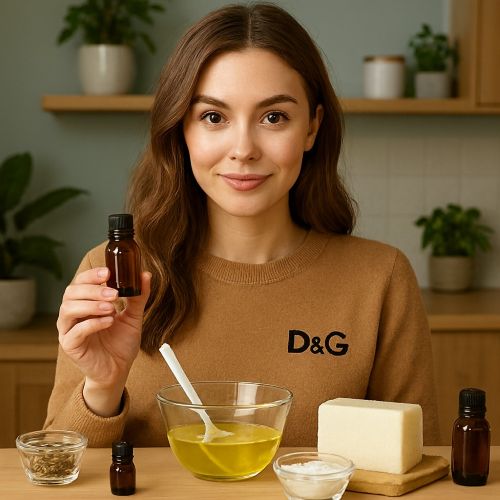
Curing Environment for High pH Soap For cold process soap the curing area should have excellent airflow but low humidity. High humidity can cause the soap to sweat drawing out the fragrance oils and leaving the bar with a weaker scent. Wrapping the soap in breathable paper rather than plastic during the cure is a professional standard.
Advantages Over Industrial Analogs
Choosing to formulate your own scented products offers significant benefits compared to mass produced industrial soaps.
Scent Integrity and Depth Industrial soaps often use cheap synthetic fillers and high heat processing that strips away the nuances of a fragrance. By controlling the temperature and choosing high grade stable oils you preserve the top heart and base notes of your aroma profile.
Avoiding Harmful Phthalates Many commercial fragrances contain phthalates as a cheap way to increase scent longevity. By selecting professional grade phthalate free fragrance oils or pure essential oils you create a safer non toxic product for the skin and respiratory system.
Precise pH Customization Industrial products are made for the masses and often have a one size fits all pH that can be too harsh or too weak. Formulation at home allows you to match the scent to the exact pH requirements of your skin ensuring the aroma remains stable and the barrier function is protected.
No Chemical Discoloration Mass market soaps often use chemical stabilizers to prevent discoloration caused by vanillin or spice oils. In your own formulations you can embrace natural color shifts or use botanical clays to complement the scent creating a more authentic and luxury artisan experience.
By mastering the science of soap fragrances in acidic and alkaline environments you transition from a simple hobbyist to a skilled cosmetic formulator capable of producing professional grade products with exquisite and lasting aromas.


Cosmetic ingredients and professional formulation blog
This section features expert materials on modern cosmetic actives. We cover peptides, polynucleotides PDRN, different forms of hyaluronic acid, retinoids, ceramides and other key components.
Special focus is given to active stability, ingredient compatibility and correct incorporation into formulas. You will find practical guides on working with anti-age actives, moisturizing complexes and barrier repair ingredients.
We examine how to properly combine myorelaxants with peptides, common mistakes when using unstable vitamin C forms and ways to improve the performance of moisturizing actives.
Separate materials are dedicated to base oils, extracts, emulsifiers and supporting ingredients. This helps create stable and effective formulas for both professional and home cosmetics.
The blog regularly publishes reviews of trending actives, comparisons of similar ingredients and step-by-step formulation recommendations. The content is aimed at formulators, technologists and anyone seriously involved in creating cosmetic products.
Why this blog is useful
Here you will find practical data on eye area care actives, lifting systems and ingredients that improve skin firmness and tone. We rely on real formulation experience and address the actual challenges that arise during product development.
You can also explore materials on skin protection and repair, depigmentation and anti-inflammatory actives. This approach supports a more systematic selection of ingredients.
FAQ
What topics are covered most often
The blog focuses on peptides, PDRN, hyaluronic acid of different molecular weights, retinoids, ceramides and their compatibility rules.
Are there practical recommendations on how to incorporate actives
Yes, most articles include practical notes on pH stability, incorporation temperature and common formulation mistakes.
Is the content only for professionals
The materials are useful both for formulators and technologists and for those who create cosmetics for personal use and want to understand how modern ingredients work.
Where can I go directly to the ingredients
All key actives are collected in the Actives section, while base components are available in base oils and related categories.



