-
 DIY: Video master classes
-
 Aromatherapy
-
 Felting master classes
-
 Eating at home
-
 DIY cosmetics for children
-
 Cooking recipes
-
 Detergents, cleaning products with your own hands
-
 Soap making as a business
-
 Natural cosmetics. Raw materials for cosmetics and soap.
-
 Natural oils in cosmetics
-
 News
-
 Recipes for balms and conditioners
-
 Bath Bomb Recipes
-
 Cream recipes. Cream making.
-
 Lotion recipes. Gel recipes.
-
 Mask recipes
-
 Soap recipes. Base soap. Soap from scratch.
-
 Recipes for all occasions
-
 Natural shampoo recipes
-
 Healthy Nutrition Recipes
-
 Scrub recipes. Massage tiles. Ubtan
-
 DIY candles
-
 Reference materials, questions, tips
-
 Startup - soap production
-
 Hair care. Tips, recipes
-
 Facial skin care. Cleansers.
-
 Body care. Tips, recipes
-
 Photo Reviews
-
 Chocolate Handmade


DIY cucumber refreshing tonic: secrets of summer beauty
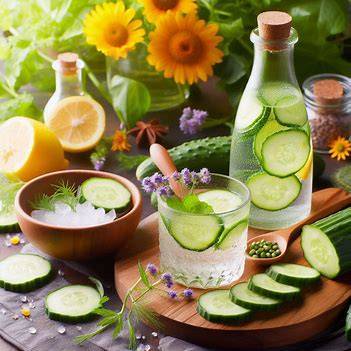 Summer brings sunshine, warm days, and... perspiring skin. While that healthy glow is undeniable, clogged pores and excess oil can leave your face feeling dull and irritated. Fear not, fellow sun-kissed beauties! This season, unlock the power of nature's bounty with a refreshing cucumber tonic – a DIY project that's as easy on your wallet as it is on your skin.
Why Cucumbers?
Cucumbers are more than just a delicious addition to your summer salad. Packed with antioxidants and vitamins, they're a natural coolant and astringent, making them perfect for soothing and revitalizing your skin. Here's how cucumbers benefit your summer glow:
- Hydration: Cucumbers are about 96% water, offering a gentle yet effective way to replenish moisture lost due to sun exposure and heat.
- Soothing: The cooling properties of cucumber help calm irritation and reduce redness, leaving your skin feeling refreshed.
- Astringent: The mild astringent properties of cucumber help tighten pores, minimizing their appearance and preventing them from getting clogged with oil and dirt.
- Vitamins and Minerals: Cucumbers are rich in vitamins C and K, which contribute to healthy skin cell turnover and collagen production, promoting a youthful appearance.
Your DIY Refreshing Tonic Recipe:
Here's what you'll need to create your very own spa-worthy cucumber tonic:
- 1 large cucumber, peeled and chopped
- 1/2 cup witch hazel (optional, for added astringency)
- 1/4 cup fresh lemon juice (optional, for a brightening effect)
- Distilled water
- Essential oil of your choice (optional, for a delightful scent – lavender, rosewater, or tea tree are great options)
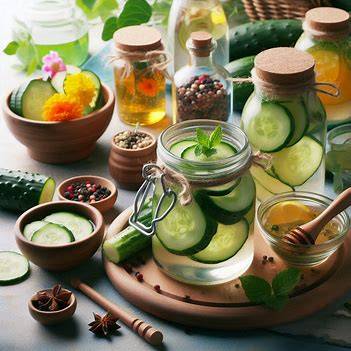 Instructions:
- Blend the chopped cucumber until it becomes a smooth liquid.
- Strain the cucumber juice into a clean bowl, discarding the pulp.
- Add witch hazel and lemon juice (if using) to the cucumber juice.
- Top up with distilled water to create a desired consistency. Aim for a slightly watery texture.
- Add 2-3 drops of essential oil (if using) and stir gently to combine.
- Pour the tonic into a clean, airtight container.
How to Use Your Refreshing Tonic:
- Cleanse your face with your usual cleanser and pat it dry.
- Saturate a cotton pad with the cooling cucumber tonic.
- Gently swipe the pad across your face and neck, avoiding the delicate eye area.
- Allow the tonic to air dry before applying your moisturizer or sunscreen.
Tips for Optimal Results:
- Fresh is Best: Use the tonic within a week for maximum effectiveness. The natural properties of the cucumber will diminish over time.
- Chill Factor: Store the tonic in the refrigerator for an extra refreshing experience on hot summer days.
- Customize Your Tonic: Want a more intense astringency? Add a bit more witch hazel. Prefer a brightening boost? Opt for a touch more lemon juice. Experiment to find the perfect balance for your skin type.
- Nighttime Treat: This tonic is also a wonderful addition to your nighttime skincare routine. The calming properties of cucumber can help soothe your skin after a long day in the sun.
Embrace the Power of Nature:
This DIY cucumber tonic is a simple and effective way to pamper your skin and embrace the natural beauty of summer. So, ditch the harsh chemicals and embrace the power of nature's bounty for a healthy, radiant glow all season long!
"


Cosmetic ingredients and professional formulation blog
This section features expert materials on modern cosmetic actives. We cover peptides, polynucleotides PDRN, different forms of hyaluronic acid, retinoids, ceramides and other key components.
Special focus is given to active stability, ingredient compatibility and correct incorporation into formulas. You will find practical guides on working with anti-age actives, moisturizing complexes and barrier repair ingredients.
We examine how to properly combine myorelaxants with peptides, common mistakes when using unstable vitamin C forms and ways to improve the performance of moisturizing actives.
Separate materials are dedicated to base oils, extracts, emulsifiers and supporting ingredients. This helps create stable and effective formulas for both professional and home cosmetics.
The blog regularly publishes reviews of trending actives, comparisons of similar ingredients and step-by-step formulation recommendations. The content is aimed at formulators, technologists and anyone seriously involved in creating cosmetic products.
Why this blog is useful
Here you will find practical data on eye area care actives, lifting systems and ingredients that improve skin firmness and tone. We rely on real formulation experience and address the actual challenges that arise during product development.
You can also explore materials on skin protection and repair, depigmentation and anti-inflammatory actives. This approach supports a more systematic selection of ingredients.
FAQ
What topics are covered most often
The blog focuses on peptides, PDRN, hyaluronic acid of different molecular weights, retinoids, ceramides and their compatibility rules.
Are there practical recommendations on how to incorporate actives
Yes, most articles include practical notes on pH stability, incorporation temperature and common formulation mistakes.
Is the content only for professionals
The materials are useful both for formulators and technologists and for those who create cosmetics for personal use and want to understand how modern ingredients work.
Where can I go directly to the ingredients
All key actives are collected in the Actives section, while base components are available in base oils and related categories.



