-
 DIY: Video master classes
-
 Aromatherapy
-
 Felting master classes
-
 Eating at home
-
 DIY cosmetics for children
-
 Cooking recipes
-
 Detergents, cleaning products with your own hands
-
 Soap making as a business
-
 Natural cosmetics. Raw materials for cosmetics and soap.
-
 Natural oils in cosmetics
-
 News
-
 Recipes for balms and conditioners
-
 Bath Bomb Recipes
-
 Cream recipes. Cream making.
-
 Lotion recipes. Gel recipes.
-
 Mask recipes
-
 Soap recipes. Base soap. Soap from scratch.
-
 Recipes for all occasions
-
 Natural shampoo recipes
-
 Healthy Nutrition Recipes
-
 Scrub recipes. Massage tiles. Ubtan
-
 DIY candles
-
 Reference materials, questions, tips
-
 Startup - soap production
-
 Hair care. Tips, recipes
-
 Facial skin care. Cleansers.
-
 Body care. Tips, recipes
-
 Photo Reviews
-
 Chocolate Handmade


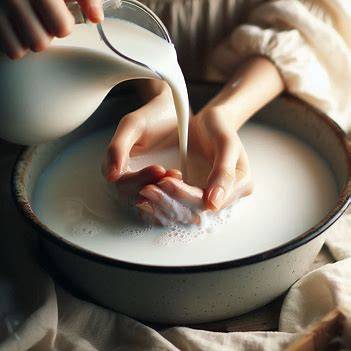
Gentle do-it-yourself cleansing milk
 Ever feel like your hands take the brunt of daily life? Between constant handwashing and exposure to harsh elements, our hands can become dry, cracked, and irritated. But ditch the chemical-laden soaps! Today, we explore the gentle power of milk-based hand washes, perfect for those with sensitive skin or seeking a more natural approach to hand hygiene.
The Science Behind Milk Washes:
Milk's magic lies in its natural emollients, like lactic acid and fats. These components:
- Cleanse gently: Lactic acid removes dirt and dead skin cells without stripping away natural oils.
- Hydrate deeply: Milk's fat content helps lock in moisture, leaving hands feeling soft and supple.
- Soothe irritation: Milk's anti-inflammatory properties can calm redness and discomfort, especially beneficial for those with eczema or dermatitis.
DIY Milk Wash Recipes for Every Need:
Here are three simple milk wash recipes you can whip up at home:
1. Basic Soothing Milk Wash:
-
Ingredients:
- 1/2 cup whole milk (raw or pasteurized)
- 1/4 cup castile soap (liquid or grated bar)
- 1 tablespoon honey (optional, for extra moisturizing)
- 10 drops of your favorite essential oil (optional, for scent – lavender or chamomile are calming choices)
-
Instructions:
- Whisk together all ingredients in a bowl until well combined.
- Transfer to a pump bottle or airtight container.
- To use, massage a small amount onto wet hands, lather, and rinse well.
2. Exfoliating Milk Wash with Oatmeal:
-
Ingredients:
- 1/3 cup rolled oats (finely ground)
- 1/2 cup whole milk
- 2 tablespoons plain yogurt
- 1 teaspoon honey
-
Instructions:
- Grind the rolled oats into a fine powder using a food processor or blender.
- Combine all ingredients in a bowl and mix well.
- Store in an airtight container.
- To use, massage a small amount onto wet hands, focusing on areas that need exfoliation. Rinse thoroughly.
 3. Luxurious Milk and Honey Wash:
-
Ingredients:
- 1/2 cup whole milk powder
- 1/4 cup finely ground almonds
- 1/4 cup dried lavender flowers (optional, omit for a scent-free version)
- 1/4 cup melted honey
- 1/4 cup carrier oil (like sweet almond or jojoba oil)
-
Instructions:
- Combine all dry ingredients (milk powder, almonds, lavender) in a bowl.
- In a separate bowl, whisk together melted honey and carrier oil.
- Slowly add the wet ingredients to the dry ingredients, mixing until a thick paste forms.
- Store in an airtight container.
- To use, scoop out a small amount and massage onto wet hands. Rinse well.
Important Tips:
- Always use fresh, high-quality ingredients.
- Adjust the consistency of your milk wash to your preference by adding more or less milk.
- Label your homemade washes with the date of creation and ingredients.
- Milk washes have a shorter shelf life than commercial products due to the lack of preservatives. Aim to use them within a week for optimal freshness.
- For sensitive skin, do a patch test on your inner forearm before applying the wash to your hands.
Embrace the gentle power of milk for softer, healthier hands! These DIY milk washes are a natural and effective way to cleanse and nurture your skin.


Cosmetic ingredients and professional formulation blog
This section features expert materials on modern cosmetic actives. We cover peptides, polynucleotides PDRN, different forms of hyaluronic acid, retinoids, ceramides and other key components.
Special focus is given to active stability, ingredient compatibility and correct incorporation into formulas. You will find practical guides on working with anti-age actives, moisturizing complexes and barrier repair ingredients.
We examine how to properly combine myorelaxants with peptides, common mistakes when using unstable vitamin C forms and ways to improve the performance of moisturizing actives.
Separate materials are dedicated to base oils, extracts, emulsifiers and supporting ingredients. This helps create stable and effective formulas for both professional and home cosmetics.
The blog regularly publishes reviews of trending actives, comparisons of similar ingredients and step-by-step formulation recommendations. The content is aimed at formulators, technologists and anyone seriously involved in creating cosmetic products.
Why this blog is useful
Here you will find practical data on eye area care actives, lifting systems and ingredients that improve skin firmness and tone. We rely on real formulation experience and address the actual challenges that arise during product development.
You can also explore materials on skin protection and repair, depigmentation and anti-inflammatory actives. This approach supports a more systematic selection of ingredients.
FAQ
What topics are covered most often
The blog focuses on peptides, PDRN, hyaluronic acid of different molecular weights, retinoids, ceramides and their compatibility rules.
Are there practical recommendations on how to incorporate actives
Yes, most articles include practical notes on pH stability, incorporation temperature and common formulation mistakes.
Is the content only for professionals
The materials are useful both for formulators and technologists and for those who create cosmetics for personal use and want to understand how modern ingredients work.
Where can I go directly to the ingredients
All key actives are collected in the Actives section, while base components are available in base oils and related categories.



