-
 DIY: Video master classes
-
 Aromatherapy
-
 Felting master classes
-
 Eating at home
-
 DIY cosmetics for children
-
 Cooking recipes
-
 Detergents, cleaning products with your own hands
-
 Soap making as a business
-
 Natural cosmetics. Raw materials for cosmetics and soap.
-
 Natural oils in cosmetics
-
 News
-
 Recipes for balms and conditioners
-
 Bath Bomb Recipes
-
 Cream recipes. Cream making.
-
 Lotion recipes. Gel recipes.
-
 Mask recipes
-
 Soap recipes. Base soap. Soap from scratch.
-
 Recipes for all occasions
-
 Natural shampoo recipes
-
 Healthy Nutrition Recipes
-
 Scrub recipes. Massage tiles. Ubtan
-
 DIY candles
-
 Reference materials, questions, tips
-
 Startup - soap production
-
 Hair care. Tips, recipes
-
 Facial skin care. Cleansers.
-
 Body care. Tips, recipes
-
 Photo Reviews
-
 Chocolate Handmade


Leave-in serum for hair ends: give your curls beauty and health
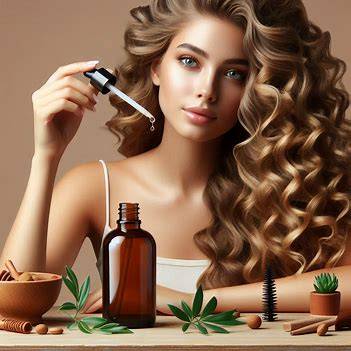 Curly hair is a gift – a crown of bouncy, voluminous locks that turn heads. But with great texture comes great responsibility. Curly hair is notoriously prone to dryness, frizz, and split ends, which can leave your curls looking dull and lifeless.
This is where the magic of leave-in serums comes in. These lightweight, powerhouse products are specifically formulated to address the unique needs of curly hair, particularly the neglected (and often abused) hair ends.
Why Do Curls Need Special Attention?
Curly hair has a naturally different structure than straight hair. The bend or kink in the strand disrupts the natural sebum (oil) distribution from scalp to ends. This lack of sebum leaves the ends drier and more prone to breakage. Frequent heat styling, coloring, and even environmental factors like wind and sun can further exacerbate the problem.
Leave-In Serums: Your Curls' New Best Friend
Leave-in serums are a game-changer for curly hair care. Unlike traditional conditioners that are rinsed out, leave-in serums provide continuous hydration and protection throughout the day. Here's how they work their magic:
- Deep Hydration: Leave-in serums are packed with humectants and emollients that attract and retain moisture. This helps to combat dryness, a major culprit for split ends.
- Enhanced Definition: Many leave-in serums contain ingredients that help to define and enhance your curl pattern, giving you frizz-free, bouncy, and well-structured curls.
- Heat Protection: Heat styling is a common culprit for damage. Look for leave-in serums with heat protectants to shield your curls from the damaging effects of flat irons, curling wands, and diffusers.
- Reduced Frizz: Leave-in serums often contain ingredients that tame frizz and flyaways, leaving you with smooth, polished curls.
- Split End Repair: Some serums contain ingredients that can help to mend split ends, reducing the appearance of breakage and keeping your hair looking healthy.
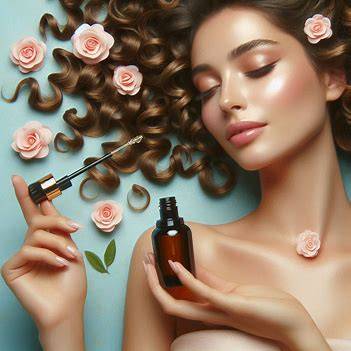 Choosing the Right Leave-In Serum for Your Curls
With so many leave-in serums on the market, finding the right one for your curls can feel overwhelming. Here are some factors to consider:
- Hair Type: Fine curls might need a lighter serum, while coarse curls can benefit from a thicker product.
- Porosity: High-porosity curls easily absorb moisture but lose it quickly. Look for serums with humectants and emollients. Low-porosity curls struggle to absorb moisture. Choose a lighter serum with water-based ingredients.
- Specific Needs: Do you crave more definition? Look for serums with styling polymers. Do you need extra frizz control? Choose a serum with anti-frizz ingredients like silicones.
Pro-Tips for Using Leave-In Serums:
- Less is More: Start with a small amount of serum, applying it to damp hair, focusing on the mid-lengths and ends.
- Sectioning: Divide your hair into sections for even application.
- Scrunch it Up: Gently scrunch your hair upwards to help define your curls and distribute the product.
- Air Dry or Diffuse: Let your curls air dry whenever possible. If using heat, use a diffuser on low heat to minimize frizz.
Embrace Your Curls with Confidence
Leave-in serums are a secret weapon for anyone with curly hair. By providing continuous hydration, protection, and definition, they can help you achieve your healthiest, most beautiful curls yet. So, ditch the dry, frizzy ends and embrace your unique curl pattern with the power of leave-in serums!
"


Cosmetic ingredients and professional formulation blog
This section features expert materials on modern cosmetic actives. We cover peptides, polynucleotides PDRN, different forms of hyaluronic acid, retinoids, ceramides and other key components.
Special focus is given to active stability, ingredient compatibility and correct incorporation into formulas. You will find practical guides on working with anti-age actives, moisturizing complexes and barrier repair ingredients.
We examine how to properly combine myorelaxants with peptides, common mistakes when using unstable vitamin C forms and ways to improve the performance of moisturizing actives.
Separate materials are dedicated to base oils, extracts, emulsifiers and supporting ingredients. This helps create stable and effective formulas for both professional and home cosmetics.
The blog regularly publishes reviews of trending actives, comparisons of similar ingredients and step-by-step formulation recommendations. The content is aimed at formulators, technologists and anyone seriously involved in creating cosmetic products.
Why this blog is useful
Here you will find practical data on eye area care actives, lifting systems and ingredients that improve skin firmness and tone. We rely on real formulation experience and address the actual challenges that arise during product development.
You can also explore materials on skin protection and repair, depigmentation and anti-inflammatory actives. This approach supports a more systematic selection of ingredients.
FAQ
What topics are covered most often
The blog focuses on peptides, PDRN, hyaluronic acid of different molecular weights, retinoids, ceramides and their compatibility rules.
Are there practical recommendations on how to incorporate actives
Yes, most articles include practical notes on pH stability, incorporation temperature and common formulation mistakes.
Is the content only for professionals
The materials are useful both for formulators and technologists and for those who create cosmetics for personal use and want to understand how modern ingredients work.
Where can I go directly to the ingredients
All key actives are collected in the Actives section, while base components are available in base oils and related categories.



