-
 DIY: Video master classes
-
 Aromatherapy
-
 Felting master classes
-
 Eating at home
-
 DIY cosmetics for children
-
 Cooking recipes
-
 Detergents, cleaning products with your own hands
-
 Soap making as a business
-
 Natural cosmetics. Raw materials for cosmetics and soap.
-
 Natural oils in cosmetics
-
 News
-
 Recipes for balms and conditioners
-
 Bath Bomb Recipes
-
 Cream recipes. Cream making.
-
 Lotion recipes. Gel recipes.
-
 Mask recipes
-
 Soap recipes. Base soap. Soap from scratch.
-
 Recipes for all occasions
-
 Natural shampoo recipes
-
 Healthy Nutrition Recipes
-
 Scrub recipes. Massage tiles. Ubtan
-
 DIY candles
-
 Reference materials, questions, tips
-
 Startup - soap production
-
 Hair care. Tips, recipes
-
 Facial skin care. Cleansers.
-
 Body care. Tips, recipes
-
 Photo Reviews
-
 Chocolate Handmade


Natural preservatives and cosmetic stability
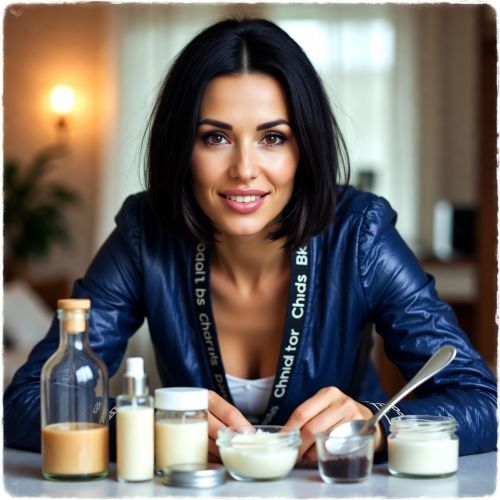 Natural preservatives and cosmetic stability are the most critical factors when transitioning from amateur mixing to professional-grade home formulation. While many enthusiasts focus solely on active ingredients like vitamins or peptides, the microbiological safety of a product determines whether it is a healing treatment or a potential health hazard. Every water-based cosmetic product is a breeding ground for bacteria, yeast, and mold. Without a robust preservation system, a handmade cream can become contaminated within days, even if it looks and smells normal.
In this comprehensive guide, we will explore how to protect your formulations using eco-certified substances derived from plants, fermentation, and organic acids. You will learn the technical nuances of maintaining stability and explore three detailed recipes that showcase the synergy between nature and cosmetic science.
Beneficial Properties and Mechanisms of Eco-Friendly Preservation
The primary property of natural preservatives is their ability to inhibit the growth of microorganisms while respecting the delicate microbiome of human skin. Unlike synthetic parabens or formaldehyde-releasing agents, natural systems often rely on the synergy of organic acids, plant extracts, and fermentation byproducts. For example, radish root ferment filtrate not only prevents bacterial growth but also provides additional moisturizing benefits.
Stability in cosmetics is not just about preventing rot; it is about maintaining the emulsion structure and preventing the oxidation of fragile botanical oils. By using natural antioxidants like rosemary extract or vitamin E in combination with broad-spectrum eco-preservatives, you create a product that remains active and safe. These systems work by lowering the pH to a level where pathogens cannot survive or by disrupting the cellular membranes of microbes without irritating the user epidermis.
Advantages of Natural Systems Over Industrial Analogs
The main advantage of using natural preservatives in handmade cosmetics is the reduction of the toxic load on the body. Many industrial preservatives are known endocrine disruptors or sensitizers that lead to contact dermatitis over time. By formulating your own products, you can use high-quality, COSMOS-certified preservatives like Geogard ECT or Leucidal Liquid, which are derived from renewable resources and are biodegradable.
Furthermore, industrial analogs are designed for a five-year shelf life under extreme warehouse conditions, which requires very aggressive chemistry. Homemade products only need to remain stable for three to six months. This allows you to use milder, skin-friendly systems that do not kill the beneficial bacteria on your skin. Additionally, natural preservatives often contribute to the scent and texture of the product, eliminating the need for synthetic masking fragrances used in mass-market formulations.
Technical Nuances of Preparation for Stable Cosmetics
Stability begins with the preparation environment. To ensure the efficacy of natural preservatives, every tool and container must be sanitized with seventy percent isopropyl alcohol. Water-based ingredients must be distilled or deionized to prevent minerals from interfering with the preservative system. A major technical nuance is the pH-dependency of many natural preservatives; for instance, potassium sorbate and sodium benzoate are only effective if the product pH is below five point five.
Another nuance is the temperature during the addition phase. Most natural preservatives are heat-sensitive and must be added during the cooling phase, specifically when the mixture is below forty degrees Celsius. If added too early, the heat can deactivate the antimicrobial properties, leaving your product unprotected. Precise weighing with a digital scale is mandatory, as under-dosing leads to contamination, while over-dosing can cause skin redness or stinging.
Recipe One Hydrating Rose Toner with Fermentation Protection
This simple yet effective toner uses a fermentation-based preservative to ensure long-term stability and skin hydration.
Composition Eighty milliliters organic rose hydrosol Ten milliliters distilled water Five milliliters vegetable glycerin Three milliliters Leucidal Liquid radish root ferment Two milliliters panthenol
Preparation Step one Sanitize a glass beaker and a stirring rod with alcohol and allow them to air dry. Step five Measure the rose hydrosol and distilled water into the beaker. Step ten Add the vegetable glycerin and panthenol, stirring slowly until the mixture is perfectly clear. Step fifteen Introduce the Leucidal Liquid into the room-temperature solution. Step twenty Check the pH to ensure it is between four point five and five point five. Step twenty-five Pour the toner into a sterilized dark glass bottle with a fine mist sprayer.
Recipe Two Botanical Facial Cream with Organic Acid Defense
A rich moisturizing emulsion protected by a blend of benzyl alcohol and salicylic acid for broad-spectrum safety.
Composition Thirty milliliters linden hydrosol Ten milliliters argan oil Five grams emulsifying wax One gram vitamin E One milliliter Geogard ECT preservative Two drops lactic acid for pH adjustment
Preparation Step one Heat the argan oil and emulsifying wax in a water bath until the wax is completely liquid. Step five In a separate container, heat the linden hydrosol to a similar temperature. Step ten Slowly pour the water phase into the oil phase while mixing rapidly with a mini-mixer to create a stable emulsion. Step fifteen Continue stirring as the cream cools down to room temperature. Step twenty Once the cream is cool, add the vitamin E and the Geogard ECT preservative. Step twenty-five Use the lactic acid to adjust the pH to five point zero, ensuring the preservative is fully active. Step thirty Transfer the finished cream into a sterilized airless pump container to minimize exposure to air.
Recipe Three Antioxidant Oil Serum with Rosemary Stability
While oils do not grow bacteria, they go rancid. This waterless formula focuses on lipid stability and antioxidant protection.
Composition Twenty milliliters rosehip oil Fifteen milliliters jojoba oil Ten milliliters evening primrose oil One milliliter rosemary oil-soluble antioxidant extract Two milliliters squalane
Preparation Step one Ensure all oil bottles are at room temperature and have not been exposed to direct sunlight. Step five Combine the rosehip, jojoba, and evening primrose oils in a sanitized glass vessel. Step ten Add the squalane which acts as a carrier and enhances skin penetration. Step fifteen Incorporate the rosemary antioxidant extract very carefully to prevent the delicate fatty acids in the rosehip oil from oxidizing. Step twenty Stir the mixture gently with a glass rod for two minutes to ensure the antioxidant is evenly distributed. Step twenty-five Bottle the serum in an amber glass container with a pipette and store it in a cool place.
Detailed Recommendations for Use and Application
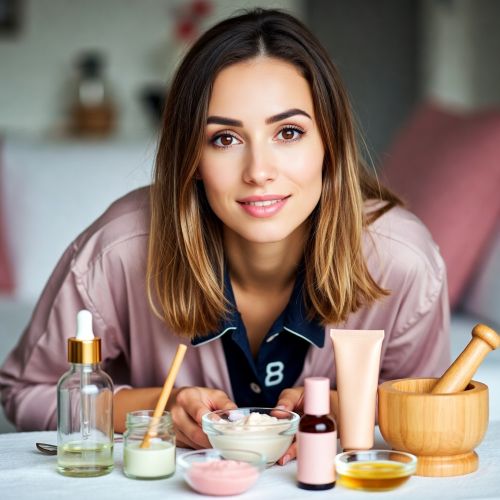
To maintain the stability of your natural cosmetics, you must practice hygienic application. Never touch the opening of a bottle or the tip of a dropper to your skin, as this introduces bacteria from the skin surface into the product. For creams in jars, always use a clean plastic or wooden spatula rather than your fingers. This simple habit can double the effective life of a naturally preserved product.
Apply these products to clean, slightly damp skin for the best absorption. Since natural preservatives are milder, they are less likely to cause the stinging often felt with industrial products when applied to sensitive or broken skin. If you are using the antioxidant oil serum, apply it over your water-based toner to lock in moisture and create a protective barrier.
Storage and Shelf Life Guidelines for Handmade Products
Natural preservatives are sensitive to environmental stress. The ideal storage for your handmade cosmetics is a cool, dark cupboard or a dedicated cosmetic refrigerator. High humidity in bathrooms can promote mold growth on the outside of containers and under the lids, so try to keep your primary stock in a dry room. Light-sensitive ingredients, particularly those in the rosehip oil serum, should always be kept in opaque or dark-colored glass.
The typical shelf life for the water-based recipes provided is three to four months, while the oil-based serum can last up to six months if stored correctly. Always label your products with the date of manufacture. If you notice a change in the color of the cream, a sharp or sour smell, or any visible spots, discard the product immediately. Regular small-batch production is the best strategy to ensure you always have the freshest and most stable natural skincare available.


Cosmetic ingredients and professional formulation blog
This section features expert materials on modern cosmetic actives. We cover peptides, polynucleotides PDRN, different forms of hyaluronic acid, retinoids, ceramides and other key components.
Special focus is given to active stability, ingredient compatibility and correct incorporation into formulas. You will find practical guides on working with anti-age actives, moisturizing complexes and barrier repair ingredients.
We examine how to properly combine myorelaxants with peptides, common mistakes when using unstable vitamin C forms and ways to improve the performance of moisturizing actives.
Separate materials are dedicated to base oils, extracts, emulsifiers and supporting ingredients. This helps create stable and effective formulas for both professional and home cosmetics.
The blog regularly publishes reviews of trending actives, comparisons of similar ingredients and step-by-step formulation recommendations. The content is aimed at formulators, technologists and anyone seriously involved in creating cosmetic products.
Why this blog is useful
Here you will find practical data on eye area care actives, lifting systems and ingredients that improve skin firmness and tone. We rely on real formulation experience and address the actual challenges that arise during product development.
You can also explore materials on skin protection and repair, depigmentation and anti-inflammatory actives. This approach supports a more systematic selection of ingredients.
FAQ
What topics are covered most often
The blog focuses on peptides, PDRN, hyaluronic acid of different molecular weights, retinoids, ceramides and their compatibility rules.
Are there practical recommendations on how to incorporate actives
Yes, most articles include practical notes on pH stability, incorporation temperature and common formulation mistakes.
Is the content only for professionals
The materials are useful both for formulators and technologists and for those who create cosmetics for personal use and want to understand how modern ingredients work.
Where can I go directly to the ingredients
All key actives are collected in the Actives section, while base components are available in base oils and related categories.



