-
 DIY: Video master classes
-
 Aromatherapy
-
 Felting master classes
-
 Eating at home
-
 DIY cosmetics for children
-
 Cooking recipes
-
 Detergents, cleaning products with your own hands
-
 Soap making as a business
-
 Natural cosmetics. Raw materials for cosmetics and soap.
-
 Natural oils in cosmetics
-
 News
-
 Recipes for balms and conditioners
-
 Bath Bomb Recipes
-
 Cream recipes. Cream making.
-
 Lotion recipes. Gel recipes.
-
 Mask recipes
-
 Soap recipes. Base soap. Soap from scratch.
-
 Recipes for all occasions
-
 Natural shampoo recipes
-
 Healthy Nutrition Recipes
-
 Scrub recipes. Massage tiles. Ubtan
-
 DIY candles
-
 Reference materials, questions, tips
-
 Startup - soap production
-
 Hair care. Tips, recipes
-
 Facial skin care. Cleansers.
-
 Body care. Tips, recipes
-
 Photo Reviews
-
 Chocolate Handmade


Multipeptide serum: anti-aging care of the new generation
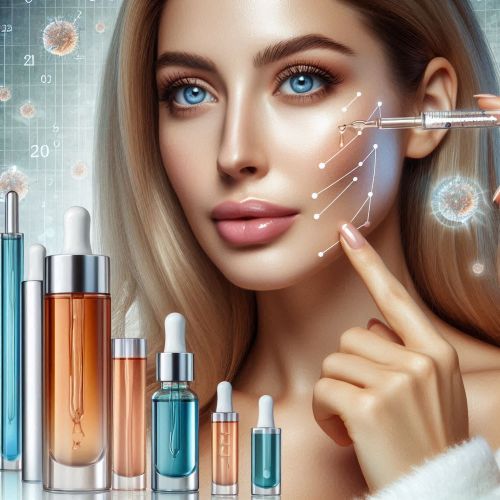
In the ever-evolving world of skincare, multipeptide serums have emerged as a powerful and sophisticated approach to combating the signs of aging. Unlike traditional anti-aging ingredients that often target a single concern, multipeptide serums harness the synergistic power of various peptides to address multiple aspects of skin aging simultaneously. This article will delve into the science behind these innovative serums, explore their remarkable benefits, and provide you with detailed recipes to create your own potent multipeptide formulations at home.
Understanding Peptides: The Building Blocks of Youthful Skin
Peptides are short chains of amino acids, the building blocks of proteins like collagen and elastin. These proteins are essential for maintaining the skin's structure, firmness, and elasticity. As we age, the natural production of collagen and elastin declines, leading to the appearance of wrinkles, fine lines, and sagging skin. Peptides in skincare act as signaling molecules, instructing the skin to produce more collagen and elastin, thereby helping to reverse these signs of aging.
The Power of Multipeptide Formulations
Multipeptide serums contain a blend of different peptides, each with a specific function. This multi-pronged approach allows the serum to target various aging concerns effectively. Some common types of peptides found in these serums include:
- Signal Peptides: Stimulate collagen and elastin production.
- Carrier Peptides: Deliver trace elements like copper and manganese to the skin, essential for enzyme function in collagen production.
- Neurotransmitter-Inhibiting Peptides: Help to relax facial muscles, reducing the appearance of expression lines (similar to the effect of Botox, but milder).
- Enzyme-Inhibiting Peptides: Help to slow down the breakdown of collagen.
By combining these different types of peptides, multipeptide serums offer a comprehensive anti-aging solution.
Benefits of Using Multipeptide Serums
Incorporating a multipeptide serum into your skincare routine can yield significant benefits:
- Reduced Appearance of Wrinkles and Fine Lines: By boosting collagen and elastin production.
- Improved Skin Firmness and Elasticity: Leading to a more youthful and lifted appearance.
- Enhanced Skin Hydration: Some peptides help to improve the skin's barrier function, reducing moisture loss.
- Smoother Skin Texture: By promoting cell turnover and collagen synthesis.
- Minimized Pore Appearance: Due to improved skin elasticity.
- Overall Radiance and Luminosity: Resulting from healthier and more vibrant skin.
Homemade Multipeptide Serum Recipes
Creating your own multipeptide serum at home allows for customization and control over the ingredients. However, sourcing individual peptides for DIY formulations can be challenging and requires careful research to ensure purity and efficacy. The following recipes focus on incorporating peptide-rich natural ingredients and supporting their function with other beneficial compounds.
Recipe 1: Peptide-Boosting Rosehip & Green Tea Serum
This serum combines the natural peptide precursors found in rosehip oil with the antioxidant power of green tea to support collagen production and protect against environmental damage.
Ingredients:
- 1 tablespoon Rosehip seed oil (rich in retinoic acid, a vitamin A derivative that supports collagen)
- 1 tablespoon Green tea infusion (strong, cooled)
- 1/2 teaspoon Vegetable glycerin (humectant)
- 5 drops Frankincense essential oil (supports skin regeneration)
Instructions:
- Brew a strong cup of green tea and let it cool completely. Strain to remove any tea leaves.
- In a clean, dark glass dropper bottle, combine the rosehip seed oil, cooled green tea infusion, and vegetable glycerin.
- Add the frankincense essential oil and gently shake the bottle to combine all ingredients.
Useful Properties:
- Rosehip Seed Oil: Contains natural retinoids that promote cell turnover and collagen synthesis.
- Green Tea: Rich in potent antioxidants that protect collagen and elastin from degradation.
- Vegetable Glycerin: Attracts and retains moisture, plumping the skin.
- Frankincense Essential Oil: Known for its skin-rejuvenating and anti-inflammatory properties.
Advantages Over Industrial Analogues:
This serum utilizes the natural peptide-boosting properties of plant-based oils and extracts, offering a gentler approach compared to some synthetic peptide formulations. It avoids potential synthetic fillers and preservatives.
Recommendations for Use and Storage:
Apply a few drops to clean, toned skin in the morning and evening before your moisturizer. Store in a cool, dark place for up to 1 month.
Recipe 2: Amino Acid & Vitamin C Firming Serum
This serum focuses on providing the building blocks for peptides (amino acids) and a potent antioxidant (Vitamin C) to support collagen production and skin firmness.
Ingredients:
- 1 tablespoon Aloe vera gel (soothing and hydrating)
- 1/2 teaspoon L-Ascorbic acid powder (pure Vitamin C – use with caution and start with a lower concentration if sensitive)
- 1/4 teaspoon Hydrolyzed silk protein (rich in amino acids)
- 3 drops Geranium essential oil (balances skin and promotes cell regeneration)
- Distilled water (a few drops to adjust consistency if needed)
Instructions:
- In a small, non-metallic bowl, carefully mix the L-Ascorbic acid powder with a few drops of distilled water until dissolved.
- Add the aloe vera gel and hydrolyzed silk protein, stirring gently.
- Incorporate the geranium essential oil. Add a few more drops of distilled water if the serum is too thick.
- Transfer the serum to a dark glass dropper bottle.
Useful Properties:
- L-Ascorbic Acid (Vitamin C): A powerful antioxidant that stimulates collagen production and brightens the skin.
- Hydrolyzed Silk Protein: Contains amino acids that are the building blocks of peptides and help to improve skin elasticity.
- Aloe Vera Gel: Soothes, hydrates, and provides a light base for the serum.
- Geranium Essential Oil: Balances oil production and promotes skin regeneration.
Advantages Over Industrial Analogues:
This DIY serum provides a potent dose of active Vitamin C and amino acids without potentially irritating synthetic peptides. You have control over the concentration of Vitamin C.
Recommendations for Use and Storage:
Apply a few drops to clean, dry skin in the morning before your moisturizer and sunscreen. Start with using it every other day to assess skin tolerance to Vitamin C. Store in the refrigerator for up to 2 weeks due to the instability of Vitamin C.
Recipe 3: Peptide-Mimicking Botanical Serum with Hyaluronic Acid
This serum utilizes plant extracts known for their peptide-mimicking properties and combines them with hyaluronic acid for enhanced hydration and plumping.
Ingredients:
- 1 tablespoon Botanical hyaluronic acid serum (pre-made)
- 1/2 teaspoon Bakuchiol oil (a natural retinol alternative that stimulates collagen)
- 1/4 teaspoon Centella Asiatica (Cica) extract (promotes collagen synthesis and wound healing)
- 2 drops Sandalwood essential oil (soothes and promotes skin regeneration)
Instructions:
- In a clean, dark glass dropper bottle, combine the botanical hyaluronic acid serum, bakuchiol oil, and Centella Asiatica extract.
- Add the sandalwood essential oil and gently shake the bottle to ensure all ingredients are well mixed.
Useful Properties:
- Botanical Hyaluronic Acid: Provides intense hydration and plumps the skin, reducing the appearance of fine lines.
- Bakuchiol Oil: A plant-derived compound that functions similarly to retinol, stimulating collagen and improving skin texture without the common irritation.
- Centella Asiatica (Cica) Extract: Rich in compounds that boost collagen production and support skin repair.
- Sandalwood Essential Oil: Soothes inflammation and promotes skin regeneration.
Advantages Over Industrial Analogues:
This serum offers a gentler, plant-based approach to stimulating collagen production, making it suitable for sensitive skin. It combines the hydrating power of hyaluronic acid with botanical anti-aging ingredients.
Recommendations for Use and Storage:
Apply a few drops to clean, toned skin in the morning and evening before your moisturizer. Store in a cool, dark place for up to 2 months.
Important Considerations for DIY Serums
Creating your own skincare products can be rewarding, but it's crucial to follow these guidelines:
- Hygiene: Always use clean tools and containers to prevent contamination.
- Patch Testing: Before applying any homemade serum to your entire face, perform a patch test on a small area of your skin to check for any allergic reactions or irritation.
- Ingredient Quality: Source high-quality, pure ingredients from reputable suppliers.
- Storage: Homemade serums typically have a shorter shelf life than commercial products due to the absence of strong preservatives. Store them properly as recommended in each recipe.
- Sun Protection: Regardless of the anti-aging serum you use, daily sunscreen application is essential to protect your skin from further damage.
Conclusion: Embracing the Future of Anti-Aging with Multipeptides
Multipeptide serums represent a significant advancement in anti-aging skincare, offering a targeted and comprehensive approach to combating the signs of aging. While creating your own multipeptide serum with commercially available individual peptides can be complex, incorporating peptide-rich natural ingredients and supporting their function with other beneficial compounds can be a rewarding way to enhance your skincare routine. Whether you choose a professionally formulated serum or explore DIY options, understanding the power of peptides is key to achieving a more youthful and radiant complexion.


Cosmetic ingredients and professional formulation blog
This section features expert materials on modern cosmetic actives. We cover peptides, polynucleotides PDRN, different forms of hyaluronic acid, retinoids, ceramides and other key components.
Special focus is given to active stability, ingredient compatibility and correct incorporation into formulas. You will find practical guides on working with anti-age actives, moisturizing complexes and barrier repair ingredients.
We examine how to properly combine myorelaxants with peptides, common mistakes when using unstable vitamin C forms and ways to improve the performance of moisturizing actives.
Separate materials are dedicated to base oils, extracts, emulsifiers and supporting ingredients. This helps create stable and effective formulas for both professional and home cosmetics.
The blog regularly publishes reviews of trending actives, comparisons of similar ingredients and step-by-step formulation recommendations. The content is aimed at formulators, technologists and anyone seriously involved in creating cosmetic products.
Why this blog is useful
Here you will find practical data on eye area care actives, lifting systems and ingredients that improve skin firmness and tone. We rely on real formulation experience and address the actual challenges that arise during product development.
You can also explore materials on skin protection and repair, depigmentation and anti-inflammatory actives. This approach supports a more systematic selection of ingredients.
FAQ
What topics are covered most often
The blog focuses on peptides, PDRN, hyaluronic acid of different molecular weights, retinoids, ceramides and their compatibility rules.
Are there practical recommendations on how to incorporate actives
Yes, most articles include practical notes on pH stability, incorporation temperature and common formulation mistakes.
Is the content only for professionals
The materials are useful both for formulators and technologists and for those who create cosmetics for personal use and want to understand how modern ingredients work.
Where can I go directly to the ingredients
All key actives are collected in the Actives section, while base components are available in base oils and related categories.



