-
 DIY: Video master classes
-
 Aromatherapy
-
 Felting master classes
-
 Eating at home
-
 DIY cosmetics for children
-
 Cooking recipes
-
 Detergents, cleaning products with your own hands
-
 Soap making as a business
-
 Natural cosmetics. Raw materials for cosmetics and soap.
-
 Natural oils in cosmetics
-
 News
-
 Recipes for balms and conditioners
-
 Bath Bomb Recipes
-
 Cream recipes. Cream making.
-
 Lotion recipes. Gel recipes.
-
 Mask recipes
-
 Soap recipes. Base soap. Soap from scratch.
-
 Recipes for all occasions
-
 Natural shampoo recipes
-
 Healthy Nutrition Recipes
-
 Scrub recipes. Massage tiles. Ubtan
-
 DIY candles
-
 Reference materials, questions, tips
-
 Startup - soap production
-
 Hair care. Tips, recipes
-
 Facial skin care. Cleansers.
-
 Body care. Tips, recipes
-
 Photo Reviews
-
 Chocolate Handmade


Fashionable fragrances 2025: what do trendy perfumes smell like and how to create your own analogue
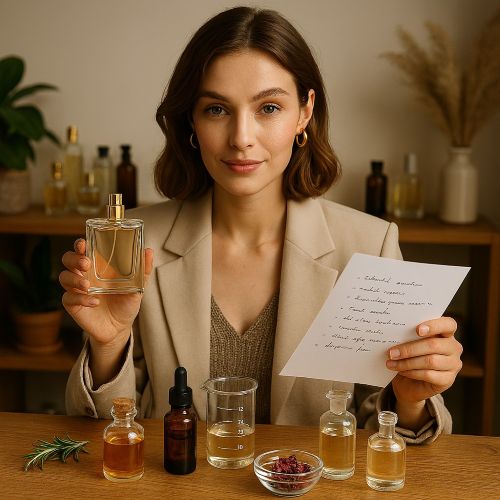 The world of perfumery is constantly evolving, with new trends emerging and captivating the senses. The year 2025 is no exception, bringing a fresh wave of scents that move beyond traditional floral and woody notes. From sustainable ingredients to complex, multi-layered accords, the fragrance trends of 2025 are all about personalization and a deeper connection to nature. While high-end brands dominate the market, creating your own perfume analog allows for ultimate creativity, ingredient control, and a scent that is truly unique to you. This article dives into the key fragrance trends of 2025 and provides three detailed recipes to help you craft your own signature scents at home.
Key Fragrance Trends of 2025
The perfumes of 2025 are defined by innovation and a shift towards more meaningful, evocative scents.
-
Sustainable and Ethical Ingredients: There's a growing demand for perfumes made with ethically sourced and sustainable raw materials. This includes natural extracts from plants grown without pesticides and innovative, lab-created molecules that mimic rare scents without harming the environment.
-
Aquatic and Mineral Notes: Forget heavy, overpowering scents. The 2025 trend favors clean, fresh, and minimalist fragrances. Think of the smell of rain on pavement, the clean scent of ocean spray, or the subtle mineral notes of a freshly washed stone. These accords create a light, airy, and modern feel.
-
Gourmand Accords with a Twist: Gourmand fragrances, which are based on edible notes like vanilla and chocolate, are still popular, but with a new level of sophistication. In 2025, they are blended with unexpected notes like spices, green tea, or even smoky accords to create a less sugary, more complex experience.
-
Neuro-Fragrances: This is one of the most exciting trends. Perfumes are being formulated not just to smell good, but to influence mood and well-being. Ingredients known for their calming (lavender, chamomile) or energizing (citrus, mint) properties are being incorporated into complex blends.
The Art of Perfume Making: Creating Your Own Analogue
Crafting your own perfume analogue gives you complete control over the ingredients, allowing you to avoid synthetic chemicals and create a truly unique scent. A perfume is typically a blend of three layers: top, middle (or heart), and base notes.
-
Top Notes: These are the first scents you smell. They are light, volatile, and evaporate quickly. Common top notes include citrus (lemon, bergamot) and herbs (mint, rosemary).
-
Middle Notes: These form the heart of the perfume and appear after the top notes fade. They are often floral or spicy. Common middle notes include rose, jasmine, and cinnamon.
-
Base Notes: These are the deepest, longest-lasting notes. They provide the perfume's foundation and character. Common base notes include sandalwood, vetiver, and musk.
Your perfume will consist of a carrier oil (like jojoba or fractionated coconut oil) and a blend of essential oils.
Three Recipes for Trendy 2025 Fragrances
These three recipes are inspired by the fragrance trends of 2025. They are simple to prepare and can be easily customized.
Recipe 1: Fresh Aquatic-Mineral Scent
This light, clean scent evokes the feeling of a refreshing rain shower.
-
Prepare the carrier oil. In a sterilized glass roller bottle or dropper bottle, add 10g of jojoba oil.
-
Add the base notes. Add 2 drops of Vetiver essential oil and 2 drops of Patchouli essential oil. These provide a deep, earthy foundation that mimics mineral accords.
-
Add the middle notes. Add 4 drops of Jasmine essential oil and 3 drops of Geranium essential oil. This creates a soft, floral-herbaceous heart.
-
Add the top notes. Add 5 drops of Lemon essential oil and 4 drops of Peppermint essential oil. These provide the initial burst of freshness.
-
Mix and let sit. Gently roll the bottle to mix the oils. Let the perfume rest for at least 24 hours (or up to two weeks) to allow the notes to fully blend and develop.
Recommendations for Use: Apply to pulse points like the wrists, neck, and behind the ears. Reapply as needed throughout the day.
Storage: Store in a cool, dark place. The shelf life is up to one year.
Recipe 2: Sophisticated Gourmand with a Twist
This is a modern take on a classic gourmand scent, balancing sweet notes with a subtle smoky undertone.
-
Prepare the carrier oil. In a sterilized glass bottle, add 10g of fractionated coconut oil.
-
Add the base notes. Add 3 drops of Vanilla essential oil and 2 drops of Sandalwood essential oil. This creates a warm, creamy, and long-lasting foundation.
-
Add the middle notes. Add 4 drops of Cardamom essential oil and 3 drops of Cinnamon essential oil. These provide a spicy, complex heart.
-
Add the top notes. Add 5 drops of Bergamot essential oil and 3 drops of Green Tea fragrance oil. This creates a fresh, slightly bitter opening that balances the sweetness.
-
Mix and let sit. Gently roll the bottle to mix the oils. Allow the perfume to rest for at least 24 hours to develop the full scent.
Recommendations for Use: Apply to wrists, neck, and clothing for a rich, warm scent.
Storage: Store in a cool, dark place. The shelf life is up to one year.
Recipe 3: Calming Neuro-Fragrance
This scent is designed not just to smell good, but to soothe the mind and promote a sense of calm.
-
Prepare the carrier oil. In a sterilized glass bottle, add 10g of jojoba oil.
-
Add the base notes. Add 3 drops of Cedarwood essential oil and 2 drops of Frankincense essential oil. These are grounding and woody scents that provide a calming base.
-
Add the middle notes. Add 5 drops of Lavender essential oil and 3 drops of Chamomile essential oil. These are well-known for their relaxing and soothing properties.
-
Add the top notes. Add 4 drops of Sweet Orange essential oil and 2 drops of Clary Sage essential oil. These provide a light, uplifting top note that helps reduce stress.
-
Mix and let sit. Gently roll the bottle to mix the oils. Let the perfume rest for at least 24 hours to allow the calming properties to fully develop.
Recommendations for Use: Apply to pulse points as a soothing ritual before bed or during moments of stress.
Storage: Store in a cool, dark place. The shelf life is up to one year.
Advantages of DIY Perfumes over Industrial Counterparts
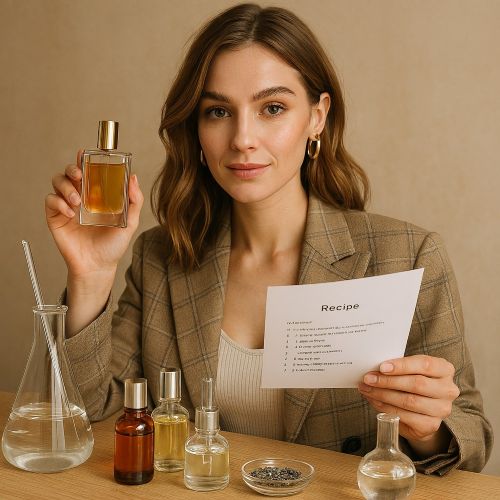
Creating your own perfume offers a level of control and personalization that commercial fragrances simply can't match.
-
Ingredient Purity: Commercial perfumes often contain synthetic fixatives and phthalates, which are used to make scents last longer but can be linked to health concerns. Your homemade perfume contains only pure, natural essential oils.
-
Customization: With DIY perfumes, you are the perfumer. You can adjust the concentrations and notes to create a scent that is entirely your own and perfectly suited to your preferences.
-
Holistic Benefits: Many essential oils have therapeutic properties. Your DIY perfume can be a functional product that not only smells great but also offers mood-enhancing or calming benefits.
-
Cost-Effectiveness: While high-quality essential oils can be an initial investment, a single bottle will allow you to make numerous perfumes, making it significantly more cost-effective in the long run.
Creating your own perfume is a rewarding journey into the world of scent. By understanding the trends of 2025, you can craft a fragrance that is both fashionable and uniquely yours.


Cosmetic ingredients and professional formulation blog
This section features expert materials on modern cosmetic actives. We cover peptides, polynucleotides PDRN, different forms of hyaluronic acid, retinoids, ceramides and other key components.
Special focus is given to active stability, ingredient compatibility and correct incorporation into formulas. You will find practical guides on working with anti-age actives, moisturizing complexes and barrier repair ingredients.
We examine how to properly combine myorelaxants with peptides, common mistakes when using unstable vitamin C forms and ways to improve the performance of moisturizing actives.
Separate materials are dedicated to base oils, extracts, emulsifiers and supporting ingredients. This helps create stable and effective formulas for both professional and home cosmetics.
The blog regularly publishes reviews of trending actives, comparisons of similar ingredients and step-by-step formulation recommendations. The content is aimed at formulators, technologists and anyone seriously involved in creating cosmetic products.
Why this blog is useful
Here you will find practical data on eye area care actives, lifting systems and ingredients that improve skin firmness and tone. We rely on real formulation experience and address the actual challenges that arise during product development.
You can also explore materials on skin protection and repair, depigmentation and anti-inflammatory actives. This approach supports a more systematic selection of ingredients.
FAQ
What topics are covered most often
The blog focuses on peptides, PDRN, hyaluronic acid of different molecular weights, retinoids, ceramides and their compatibility rules.
Are there practical recommendations on how to incorporate actives
Yes, most articles include practical notes on pH stability, incorporation temperature and common formulation mistakes.
Is the content only for professionals
The materials are useful both for formulators and technologists and for those who create cosmetics for personal use and want to understand how modern ingredients work.
Where can I go directly to the ingredients
All key actives are collected in the Actives section, while base components are available in base oils and related categories.



