-
 DIY: Video master classes
-
 Aromatherapy
-
 Felting master classes
-
 Eating at home
-
 DIY cosmetics for children
-
 Cooking recipes
-
 Detergents, cleaning products with your own hands
-
 Soap making as a business
-
 Natural cosmetics. Raw materials for cosmetics and soap.
-
 Natural oils in cosmetics
-
 News
-
 Recipes for balms and conditioners
-
 Bath Bomb Recipes
-
 Cream recipes. Cream making.
-
 Lotion recipes. Gel recipes.
-
 Mask recipes
-
 Soap recipes. Base soap. Soap from scratch.
-
 Recipes for all occasions
-
 Natural shampoo recipes
-
 Healthy Nutrition Recipes
-
 Scrub recipes. Massage tiles. Ubtan
-
 DIY candles
-
 Reference materials, questions, tips
-
 Startup - soap production
-
 Hair care. Tips, recipes
-
 Facial skin care. Cleansers.
-
 Body care. Tips, recipes
-
 Photo Reviews
-
 Chocolate Handmade


Microproteins for hair: their types and effects
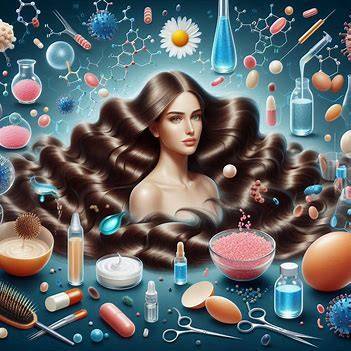 For luscious locks that turn heads, strong and healthy hair is key. But environmental damage, styling habits, and even age can take a toll. Enter the world of microproteins, nature's unsung heroes in the realm of haircare! These tiny protein fragments are revolutionizing how we achieve and maintain dazzling hair.
What are Microproteins?
Imagine proteins chopped down to a smaller, more manageable size. That's essentially what microproteins are. Derived from natural sources like keratin, silk, and wheat, they boast several advantages over their full-size counterparts:
- Smaller size, bigger impact: Due to their diminutive size, microproteins can penetrate deeper into the hair shaft, delivering targeted benefits.
- Enhanced absorption: Their smaller size also translates to better absorption by the hair, maximizing their effectiveness.
- Lightweight and versatile: Microproteins won't weigh down your hair, making them suitable for all hair types.
Types of Microproteins and Their Effects:
The haircare aisle is brimming with microprotein-infused products, each targeting specific hair concerns. Here's a breakdown of some common types and their benefits:
- Keratin Microproteins: These champions of strength mimic your hair's natural keratin, filling in gaps and smoothing the hair cuticle. The result? Stronger, shinier, and more manageable hair.
- Silk Microproteins: Known for their luxurious feel, silk microproteins provide intense hydration and improve hair elasticity, leaving it soft, supple, and frizz-free.
- Wheat Microproteins: Rich in amino acids, these microproteins promote healthy hair growth, add volume, and improve overall hair texture.
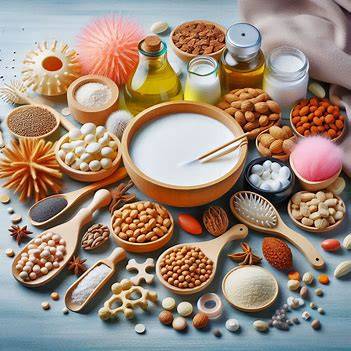 DIY Microprotein Haircare Recipes:
Ready to harness the power of microproteins for your own hair? Here are two simple recipes you can whip up at home:
1. Deep Conditioning Hair Mask with Keratin Microproteins:
- 2 tablespoons plain yogurt
- 1 tablespoon honey
- 1 teaspoon keratinmicroprotein powder
Mix all ingredients in a bowl until smooth. Apply the mask generously to damp hair, focusing on the ends. Leave it on for 20-30 minutes, then rinse thoroughly with lukewarm water.
2. Shine-Boosting Spray with Silk Microproteins:
- 1 cup distilled water
- 1 tablespoon aloe vera gel
- 1/2 teaspoon silk microprotein powder
- 5 drops lavender essential oil (optional)
Combine all ingredients in a spray bottle and shake well. After showering, spritz onto damp hair and style as usual.
Remember:
- Always perform a patch test before applying any new product to your hair.
- Adjust the quantities based on your hair length and thickness.
- Be consistent with your microprotein routine for optimal results.
Embrace the Microprotein Revolution!
With their targeted benefits and ease of use, microproteins are poised to become a staple in your haircare arsenal. By incorporating these powerful protein fragments into your routine, you can unlock the secrets to stronger, healthier, and more beautiful hair!


Cosmetic ingredients and professional formulation blog
This section features expert materials on modern cosmetic actives. We cover peptides, polynucleotides PDRN, different forms of hyaluronic acid, retinoids, ceramides and other key components.
Special focus is given to active stability, ingredient compatibility and correct incorporation into formulas. You will find practical guides on working with anti-age actives, moisturizing complexes and barrier repair ingredients.
We examine how to properly combine myorelaxants with peptides, common mistakes when using unstable vitamin C forms and ways to improve the performance of moisturizing actives.
Separate materials are dedicated to base oils, extracts, emulsifiers and supporting ingredients. This helps create stable and effective formulas for both professional and home cosmetics.
The blog regularly publishes reviews of trending actives, comparisons of similar ingredients and step-by-step formulation recommendations. The content is aimed at formulators, technologists and anyone seriously involved in creating cosmetic products.
Why this blog is useful
Here you will find practical data on eye area care actives, lifting systems and ingredients that improve skin firmness and tone. We rely on real formulation experience and address the actual challenges that arise during product development.
You can also explore materials on skin protection and repair, depigmentation and anti-inflammatory actives. This approach supports a more systematic selection of ingredients.
FAQ
What topics are covered most often
The blog focuses on peptides, PDRN, hyaluronic acid of different molecular weights, retinoids, ceramides and their compatibility rules.
Are there practical recommendations on how to incorporate actives
Yes, most articles include practical notes on pH stability, incorporation temperature and common formulation mistakes.
Is the content only for professionals
The materials are useful both for formulators and technologists and for those who create cosmetics for personal use and want to understand how modern ingredients work.
Where can I go directly to the ingredients
All key actives are collected in the Actives section, while base components are available in base oils and related categories.



