-
 DIY: Video master classes
-
 Aromatherapy
-
 Felting master classes
-
 Eating at home
-
 DIY cosmetics for children
-
 Cooking recipes
-
 Detergents, cleaning products with your own hands
-
 Soap making as a business
-
 Natural cosmetics. Raw materials for cosmetics and soap.
-
 Natural oils in cosmetics
-
 News
-
 Recipes for balms and conditioners
-
 Bath Bomb Recipes
-
 Cream recipes. Cream making.
-
 Lotion recipes. Gel recipes.
-
 Mask recipes
-
 Soap recipes. Base soap. Soap from scratch.
-
 Recipes for all occasions
-
 Natural shampoo recipes
-
 Healthy Nutrition Recipes
-
 Scrub recipes. Massage tiles. Ubtan
-
 DIY candles
-
 Reference materials, questions, tips
-
 Startup - soap production
-
 Hair care. Tips, recipes
-
 Facial skin care. Cleansers.
-
 Body care. Tips, recipes
-
 Photo Reviews
-
 Chocolate Handmade


Hair mask with rice proteins and squalane
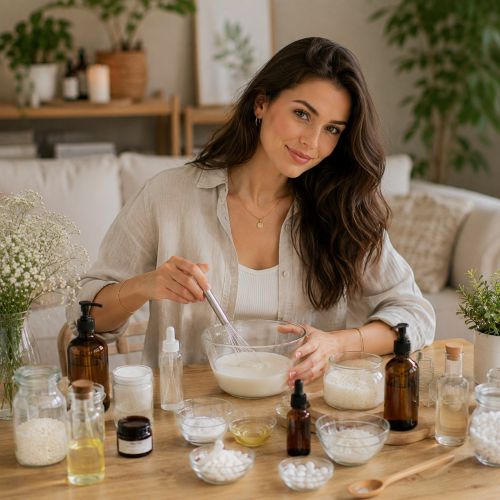 The modern beauty industry is increasingly returning to plant based ingredients that mimic the biological structure of the hair and skin. A hair mask featuring hydrolyzed rice proteins and plant derived squalane represents a pinnacle of natural hair care technology. While rice proteins are celebrated for their ability to increase hair diameter and provide structural reinforcement squalane acts as a superior emollient that prevents moisture loss and imparts a silky texture without the weight of traditional oils. This combination is particularly effective for those with fine thinning or chemically treated hair seeking both strength and elasticity.
This comprehensive article provides a deep dive into the science of these ingredients alongside professional formulations for creating effective hair masks at home.
Beneficial Properties of Rice Protein and Squalane for Hair Transformation
Hydrolyzed rice protein is a natural bioactive ingredient obtained through the enzymatic hydrolysis of rice grain. Its low molecular weight allows it to penetrate the hair cuticle and bind to the internal cortex. Once inside it works to significantly increase the hair total volume by expanding the diameter of each individual strand. Unlike many other proteins rice protein is cationic meaning it carries a positive charge that helps it adhere to damaged areas reducing static and making the hair noticeably smoother and more manageable.
Squalane is a stable saturated form of squalene which is a natural component of human sebum. In hair care squalane acts as a high performance protective shield. It fills in the gaps between the hair scales preventing environmental pollutants from entering and internal moisture from escaping. Because squalane is a very light non comedogenic lipid it provides a mirror like shine and thermal protection without making the hair look flat or greasy. Together these two ingredients create a synergistic effect where the protein builds the volume from within and the squalane seals and protects the exterior.
Advantages of Handcrafted Protein Masks Over Industrial Analogs
The primary issue with mass market hair masks is the reliance on heavy silicones and synthetic waxes to create an illusion of health. While these ingredients make hair feel soft initially they often lead to long term buildup that prevents nutrients from reaching the hair shaft. By formulating a mask with rice protein and squalane at home you are using ingredients that the hair can actually absorb and utilize for repair.
Handmade masks also offer the benefit of precise concentration. Industrial products often contain very low percentages of active proteins to maintain profit margins. In a DIY setting you can ensure that the rice protein is present at a therapeutic level of five to ten percent. Furthermore you avoid the use of harsh synthetic fragrances and aggressive preservatives that can cause scalp irritation or strip the hair of its natural protective oils.
Technical Nuances of Preparing Emulsions with Plant Proteins
Creating a professional grade hair mask requires an understanding of the emulsification process. Since squalane is an oil and rice protein is typically water soluble they must be joined using a gentle emulsifying wax such as BTMS or Olivem to create a stable cream. The oil and water phases must be heated separately to a point where the waxes melt completely but it is vital not to boil the liquids as excessive heat can denature the rice proteins.
The most critical stage is the cool down phase. Hydrolyzed proteins are sensitive to temperature and should always be added when the emulsion has cooled to a lukewarm state. Additionally the pH balance of the mask must be adjusted to a slightly acidic range of four point five to five point five. This acidity is what triggers the hair scales to close tightly trapping the protein and squalane inside the hair structure for maximum efficacy.
Recipe One Intense Volume and Strength Mask for Fine Hair
This formulation is designed to provide maximum lift and structural integrity to hair that lacks body.
Composition Sixty milliliters distilled water Ten grams BTMS pellets (emulsifier) Seven milliliters squalane Eight milliliters hydrolyzed rice protein Five milliliters vegetable glycerin One milliliter Vitamin E Eco certified preservative
Preparation Step one Sanitize all laboratory equipment beakers and glass rods with seventy percent alcohol. Step two Combine the distilled water and glycerin in one heat resistant beaker. Step three Place the BTMS pellets and squalane in a second heat resistant beaker. Step four Heat both beakers in a water bath until the BTMS has completely melted into the squalane. Step five Pour the water phase into the oil phase while stirring vigorously with a mini mixer until a thick white emulsion forms. Step six Allow the mixture to cool to room temperature then incorporate the rice protein and Vitamin E. Step seven Add the preservative check the pH and transfer the mask to a clean wide mouth jar.
Recipe Two Deep Recovery Mask for Porous and Damaged Hair
A rich conditioning treatment focused on filling voids in the hair cuticle and restoring natural elasticity.
Composition Fifty milliliters Rosemary hydrosol Eight grams Olivem 1000 (emulsifier) Ten milliliters squalane Five milliliters Argan oil Ten milliliters hydrolyzed rice protein Three milliliters D panthenol Preservative
Preparation Step one Ensure the workspace is sterile and all ingredients are precisely measured. Step two Mix the Rosemary hydrosol and D panthenol in a glass beaker. Step three Combine the Olivem 1000 squalane and Argan oil in another beaker. Step four Heat both phases until the emulsifier has fully dissolved into the oils. Step five Slowly blend the hydrosol mixture into the oil phase using a slow circular motion to maintain a creamy texture. Step six Once the cream reaches room temperature add the rice protein which will begin to bond with the Argan oil for deep repair. Step seven Incorporate the preservative system and stir for two minutes before packaging.
Recipe Three Smoothing Shine Mask with Squalane and Rice
This mask acts as a natural laminating agent to eliminate frizz and provide a professional salon finish.
Composition Sixty milliliters Rose hydrosol Seven grams BTMS pellets Twelve milliliters squalane Six milliliters hydrolyzed rice protein Three milliliters silk amino acids Two drops Ylang Ylang essential oil Preservative
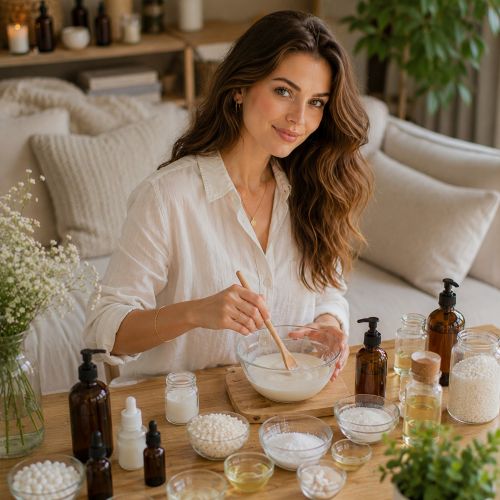
Preparation Step one Prepare a sterile environment and clean all tools thoroughly. Step two Place the Rose hydrosol in a heat resistant container and the BTMS and squalane in another. Step three Heat the components until the oil phase is clear and the water phase is warm. Step four Combine the phases and emulsify until a smooth and homogeneous cream is achieved. Step five Stir the mixture occasionally as it cools to prevent air bubbles from forming. Step six Add the rice protein silk amino acids and Ylang Ylang essential oil to the cooled base. Step seven Finalize the product with the preservative and store in a dark glass jar to protect the botanical extracts.
Detailed Recommendations for Application and Exposure Time
To receive the full benefits of a rice protein and squalane mask apply it to freshly washed and towel dried hair. The absence of excess water allows the cationic rice proteins to find and attach to damaged sites more effectively. Use your fingers or a wide tooth comb to distribute the mask from the mid lengths to the ends ensuring every strand is coated.
The ideal exposure time for this mask is fifteen to twenty minutes. For a more intensive treatment you can cover your hair with a plastic cap and a warm towel. The gentle heat helps the squalane penetrate deeper and allows the proteins to settle into the cortex. Rinse the mask thoroughly with lukewarm or cool water. You will notice an immediate difference in the thickness and silkiness of the hair as soon as it begins to dry. Use this treatment once a week for normal hair or twice a week for severely damaged hair.
Storage Guidelines and Maintaining the Quality of Handcrafted Cosmetics
Because this mask contains botanical proteins and water based hydrosols it is highly sensitive to environmental factors. Store your mask in a cool dark place away from the humidity of the shower. A dedicated skincare refrigerator or a dry bathroom cabinet is ideal. Keeping the product away from direct sunlight prevents the squalane from oxidizing and keeps the rice proteins stable.
The shelf life for these handcrafted masks using a broad spectrum eco preservative is approximately three months. Always use a clean spatula or spoon to remove the product from the jar to avoid introducing bacteria from your hands. If you notice any change in the color texture or scent of the mask it is a sign that the active proteins have degraded and the product should be discarded. Following these storage rules ensures that your hair receives the freshest and most potent nutrition possible.


Cosmetic ingredients and professional formulation blog
This section features expert materials on modern cosmetic actives. We cover peptides, polynucleotides PDRN, different forms of hyaluronic acid, retinoids, ceramides and other key components.
Special focus is given to active stability, ingredient compatibility and correct incorporation into formulas. You will find practical guides on working with anti-age actives, moisturizing complexes and barrier repair ingredients.
We examine how to properly combine myorelaxants with peptides, common mistakes when using unstable vitamin C forms and ways to improve the performance of moisturizing actives.
Separate materials are dedicated to base oils, extracts, emulsifiers and supporting ingredients. This helps create stable and effective formulas for both professional and home cosmetics.
The blog regularly publishes reviews of trending actives, comparisons of similar ingredients and step-by-step formulation recommendations. The content is aimed at formulators, technologists and anyone seriously involved in creating cosmetic products.
Why this blog is useful
Here you will find practical data on eye area care actives, lifting systems and ingredients that improve skin firmness and tone. We rely on real formulation experience and address the actual challenges that arise during product development.
You can also explore materials on skin protection and repair, depigmentation and anti-inflammatory actives. This approach supports a more systematic selection of ingredients.
FAQ
What topics are covered most often
The blog focuses on peptides, PDRN, hyaluronic acid of different molecular weights, retinoids, ceramides and their compatibility rules.
Are there practical recommendations on how to incorporate actives
Yes, most articles include practical notes on pH stability, incorporation temperature and common formulation mistakes.
Is the content only for professionals
The materials are useful both for formulators and technologists and for those who create cosmetics for personal use and want to understand how modern ingredients work.
Where can I go directly to the ingredients
All key actives are collected in the Actives section, while base components are available in base oils and related categories.



