-
 DIY: Video master classes
-
 Aromatherapy
-
 Felting master classes
-
 Eating at home
-
 DIY cosmetics for children
-
 Cooking recipes
-
 Detergents, cleaning products with your own hands
-
 Soap making as a business
-
 Natural cosmetics. Raw materials for cosmetics and soap.
-
 Natural oils in cosmetics
-
 News
-
 Recipes for balms and conditioners
-
 Bath Bomb Recipes
-
 Cream recipes. Cream making.
-
 Lotion recipes. Gel recipes.
-
 Mask recipes
-
 Soap recipes. Base soap. Soap from scratch.
-
 Recipes for all occasions
-
 Natural shampoo recipes
-
 Healthy Nutrition Recipes
-
 Scrub recipes. Massage tiles. Ubtan
-
 DIY candles
-
 Reference materials, questions, tips
-
 Startup - soap production
-
 Hair care. Tips, recipes
-
 Facial skin care. Cleansers.
-
 Body care. Tips, recipes
-
 Photo Reviews
-
 Chocolate Handmade


Melanostatin Peptide Anti-Pigmentation Lotion: An Innovative Approach to Even Skin Tone
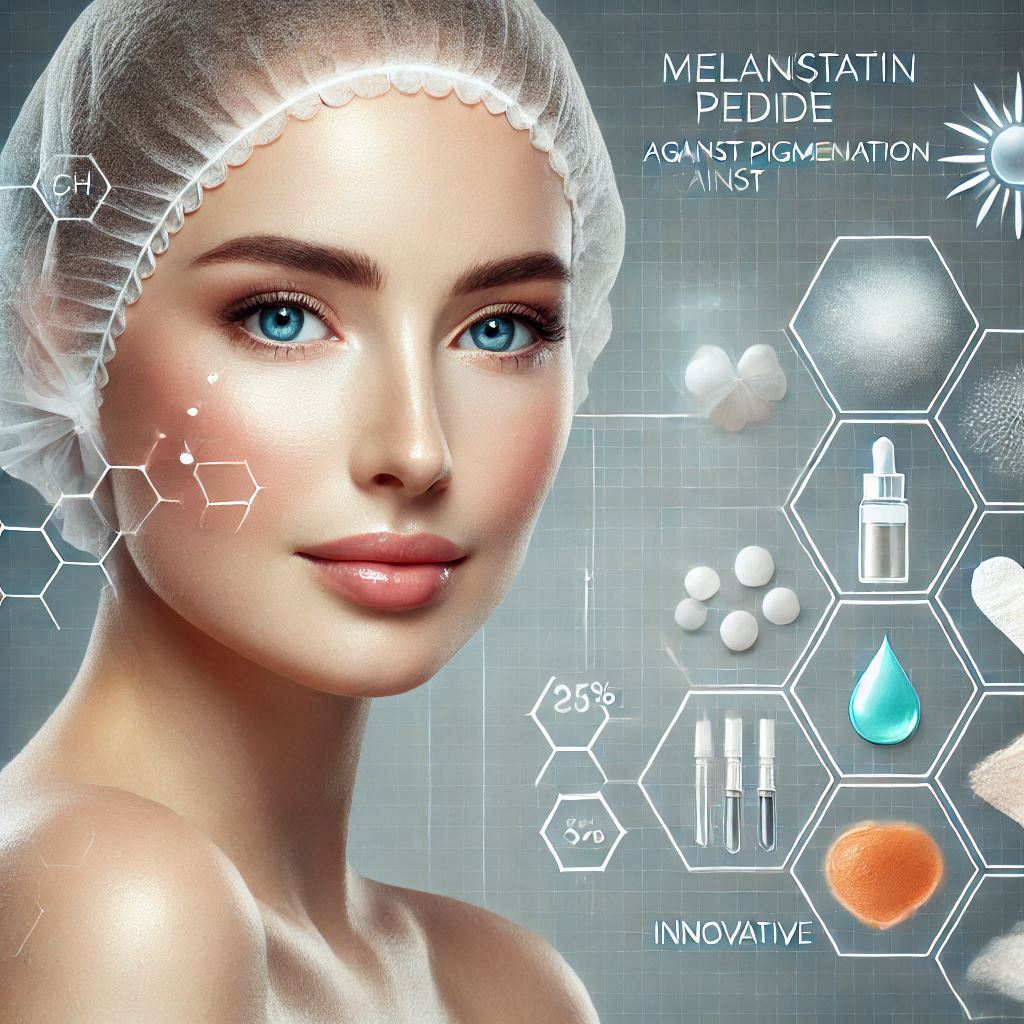 Uneven skin tone, characterized by hyperpigmentation, age spots, and melasma, is a common concern. While various treatments exist, an innovative approach using Melanostatin peptide offers a promising solution. This article explores the benefits of Melanostatin peptide in an anti-pigmentation lotion, providing detailed recipes and usage recommendations.
What is Melanostatin Peptide and How Does it Work?
Melanostatin peptide (also known as Nonapeptide-1) is a biomimetic peptide that works by inhibiting the synthesis of melanin, the pigment responsible for skin color. Unlike some harsh bleaching agents, Melanostatin peptide offers a gentler, more targeted approach. It works by:
- Inhibiting Melanogenesis: It blocks the action of α-MSH (alpha-melanocyte-stimulating hormone), a key factor in melanin production. This leads to a reduction in melanin synthesis, resulting in a lighter and more even skin tone.
- Targeting Specific Areas: Melanostatin peptide works specifically on melanocytes (cells that produce melanin), minimizing the risk of uneven lightening or irritation.
- Gentle Action: Compared to harsh chemicals like hydroquinone, Melanostatin peptide is considered safer and gentler on the skin, making it suitable for long-term use.
Advantages of DIY Anti-Pigmentation Lotion with Melanostatin Peptide over Industrial Analogues:
Commercially available anti-pigmentation products often contain high concentrations of potentially irritating ingredients or lower concentrations of active ingredients. Creating your own lotion offers several advantages:
- Customizable Concentration: You can control the concentration of Melanostatin peptide to suit your specific needs and skin sensitivity.
- Natural Ingredients: You can choose natural and nourishing ingredients for the lotion base, avoiding harsh chemicals, parabens, and artificial fragrances.
- Freshness and Potency: Homemade lotions are made fresh, ensuring the potency of the active ingredients.
- Cost-Effectiveness: Making your own lotion can be more cost-effective in the long run, especially when using high-quality ingredients.
Anti-Pigmentation Lotion Recipes with Melanostatin Peptide:
1. Basic Lightening Lotion:
-
Ingredients:
- 50ml Distilled Water or Hydrosol (e.g., Rose, Neroli)
- 1g Hyaluronic Acid Powder
- 1ml Melanostatin Peptide Solution (at the recommended concentration provided by your supplier)
- 5ml Niacinamide (Vitamin B3)
- Preservative (e.g., Geogard ECT) at recommended usage rate
-
Instructions:
- Dissolve the hyaluronic acid powder in the distilled water or hydrosol.
- Add the Melanostatin peptide solution and niacinamide.
- Mix thoroughly.
- Add the preservative according to the manufacturer's instructions.
- Store in a clean, airtight bottle in a cool, dark place.
2. Nourishing and Brightening Lotion:
-
Ingredients:
- 30ml Aloe Vera Gel
- 20ml Jojoba Oil
- 1ml Melanostatin Peptide Solution
- 5 drops Vitamin C Ester (Ascorbyl Palmitate)
- Preservative at recommended usage rate
-
Instructions:
- Combine the aloe vera gel and jojoba oil.
- Add the Melanostatin peptide solution and vitamin C ester.
- Mix thoroughly.
- Add the preservative according to the manufacturer's instructions.
- Store in a clean, airtight bottle in a cool, dark place.
3. Intensive Spot Treatment Serum:
-
Ingredients:
- 10ml Hyaluronic Acid Serum
- 1ml Melanostatin Peptide Solution (can be slightly higher concentration, but always follow supplier recommendations)
- 2 drops Licorice Root Extract
-
Instructions:
- Combine all ingredients in a small, dark glass bottle.
- Mix gently.
- Apply a small amount directly to dark spots.
- Store in a cool, dark place.
Recommendations for Use:
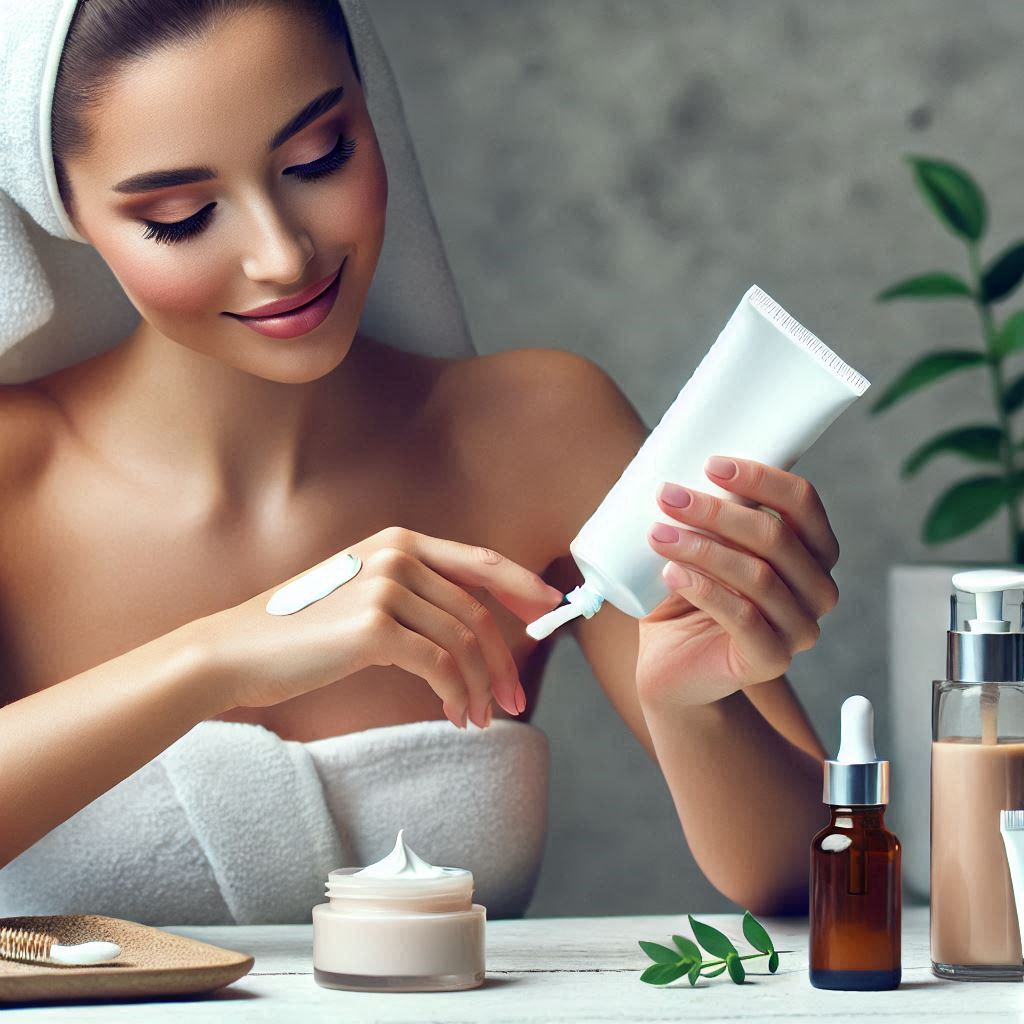
- Patch Test: Always perform a patch test before using any new product, especially those containing active ingredients like peptides. Apply a small amount to a discreet area of skin and wait 24 hours to check for any adverse reactions.
- Clean Skin: Apply the lotion to clean, dry skin after cleansing and toning.
- Sun Protection: Consistent use of broad-spectrum sunscreen is crucial when using any product designed to lighten pigmentation, as sun exposure can stimulate melanin production.
- Consistency: Consistent use over several weeks is necessary to see noticeable results.
- Concentration: Follow the manufacturer's recommendations for the appropriate concentration of Melanostatin peptide. Using too high a concentration can lead to skin irritation.
Recommendations for Storage:
- Store the lotion in a cool, dark place away from direct sunlight and heat.
- Use airtight containers to prevent oxidation and contamination.
- Homemade lotions without preservatives should be stored in the refrigerator and used within a week. Lotions with preservatives will have a longer shelf life, but it’s always best to check the preservative manufacturer’s instructions.
By using Melanostatin peptide in a DIY lotion, you can create a personalized and effective treatment for achieving a more even and radiant skin tone. Remember to be patient and consistent with your routine for optimal results.


Cosmetic ingredients and professional formulation blog
This section features expert materials on modern cosmetic actives. We cover peptides, polynucleotides PDRN, different forms of hyaluronic acid, retinoids, ceramides and other key components.
Special focus is given to active stability, ingredient compatibility and correct incorporation into formulas. You will find practical guides on working with anti-age actives, moisturizing complexes and barrier repair ingredients.
We examine how to properly combine myorelaxants with peptides, common mistakes when using unstable vitamin C forms and ways to improve the performance of moisturizing actives.
Separate materials are dedicated to base oils, extracts, emulsifiers and supporting ingredients. This helps create stable and effective formulas for both professional and home cosmetics.
The blog regularly publishes reviews of trending actives, comparisons of similar ingredients and step-by-step formulation recommendations. The content is aimed at formulators, technologists and anyone seriously involved in creating cosmetic products.
Why this blog is useful
Here you will find practical data on eye area care actives, lifting systems and ingredients that improve skin firmness and tone. We rely on real formulation experience and address the actual challenges that arise during product development.
You can also explore materials on skin protection and repair, depigmentation and anti-inflammatory actives. This approach supports a more systematic selection of ingredients.
FAQ
What topics are covered most often
The blog focuses on peptides, PDRN, hyaluronic acid of different molecular weights, retinoids, ceramides and their compatibility rules.
Are there practical recommendations on how to incorporate actives
Yes, most articles include practical notes on pH stability, incorporation temperature and common formulation mistakes.
Is the content only for professionals
The materials are useful both for formulators and technologists and for those who create cosmetics for personal use and want to understand how modern ingredients work.
Where can I go directly to the ingredients
All key actives are collected in the Actives section, while base components are available in base oils and related categories.



