-
 DIY: Video master classes
-
 Aromatherapy
-
 Felting master classes
-
 Eating at home
-
 DIY cosmetics for children
-
 Cooking recipes
-
 Detergents, cleaning products with your own hands
-
 Soap making as a business
-
 Natural cosmetics. Raw materials for cosmetics and soap.
-
 Natural oils in cosmetics
-
 News
-
 Recipes for balms and conditioners
-
 Bath Bomb Recipes
-
 Cream recipes. Cream making.
-
 Lotion recipes. Gel recipes.
-
 Mask recipes
-
 Soap recipes. Base soap. Soap from scratch.
-
 Recipes for all occasions
-
 Natural shampoo recipes
-
 Healthy Nutrition Recipes
-
 Scrub recipes. Massage tiles. Ubtan
-
 DIY candles
-
 Reference materials, questions, tips
-
 Startup - soap production
-
 Hair care. Tips, recipes
-
 Facial skin care. Cleansers.
-
 Body care. Tips, recipes
-
 Photo Reviews
-
 Chocolate Handmade


Lifting mask with peptide complex (Pentapeptide-18): instant effect of tightened skin
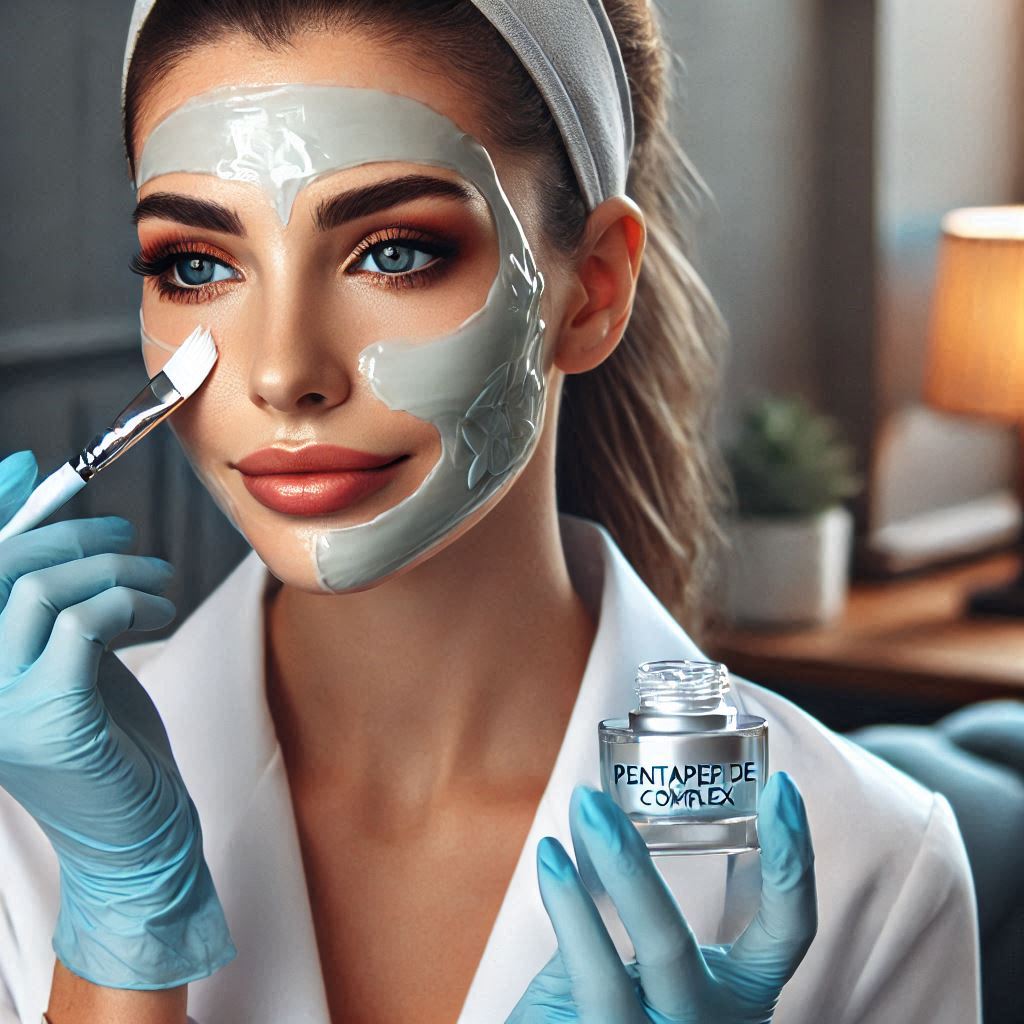 Achieving a youthful, lifted complexion is a common skincare goal. While numerous products promise these results, homemade masks offer a unique advantage: control over ingredients and customization to specific skin needs. This article explores the power of peptide-based lifting masks, focusing on Pentapeptide-18, and provides detailed recipes for creating your own effective treatments.
The Science Behind Peptide Lifting
Peptides are short chains of amino acids, the building blocks of proteins like collagen and elastin. These proteins are crucial for maintaining skin structure, firmness, and elasticity. As we age, collagen and elastin production naturally declines, leading to sagging skin, wrinkles, and loss of definition. Applying peptides topically can stimulate collagen synthesis, improve skin elasticity, and reduce the appearance of wrinkles.
Pentapeptide-18, also known as Leuphasyl, is a biomimetic peptide that mimics the effects of botulinum toxin (Botox) by relaxing facial muscles. This relaxation helps to reduce the appearance of expression lines and wrinkles, particularly around the forehead and eyes. Unlike Botox, which requires injections, Pentapeptide-18 is applied topically, making it a less invasive and more accessible option.
Advantages of Homemade Peptide Lifting Masks
- Control over Ingredients: You select high-quality ingredients and avoid potentially harmful additives, preservatives, and fragrances often found in commercial products.
- Customization: Tailor the mask to your specific skin type and concerns by adjusting the ingredients.
- Freshness: Homemade masks are used immediately, ensuring maximum potency of the active ingredients.
- Cost-Effectiveness: Creating your own masks can be more economical than purchasing expensive commercial products.
Three Detailed Recipes for Peptide Lifting Masks
Recipe 1: Hydrating and Firming Mask
-
Ingredients:
- 1 teaspoon Kaolin Clay (for absorbing excess oil)
- 1 teaspoon Aloe Vera Gel (for hydration and soothing)
- 1/2 teaspoon Hyaluronic Acid Serum (for intense hydration)
- 1/4 teaspoon Pentapeptide-18 solution (follow manufacturer's instructions for concentration)
- 1/4 teaspoon Jojoba Oil (for nourishment)
-
Preparation:
- In a clean bowl, combine the kaolin clay and aloe vera gel. Mix well to form a smooth paste.
- Add the hyaluronic acid serum, Pentapeptide-18 solution, and jojoba oil.
- Thoroughly mix all ingredients until a homogenous mixture is achieved.
-
Application: Apply the mask to clean, dry skin, avoiding the eye area. Leave it on for 15-20 minutes, then rinse with lukewarm water. Follow with your regular skincare routine.
Recipe 2: Anti-Aging and Brightening Mask
-
Ingredients:
- 1 tablespoon Yogurt (plain, full-fat, for lactic acid exfoliation)
- 1/2 teaspoon Honey (for humectant and antibacterial properties)
- 1/4 teaspoon Vitamin C Powder (for brightening and antioxidant protection)
- 1/4 teaspoon Pentapeptide-18 solution
- A few drops of Rosehip Oil (for regeneration)
-
Preparation:
- Mix the yogurt and honey in a bowl.
- Carefully add the Vitamin C powder and stir well to avoid clumping.
- Incorporate the Pentapeptide-18 solution and rosehip oil. Mix until all ingredients are combined.
-
Application: Apply the mask to clean skin and leave on for 15 minutes. Rinse thoroughly with lukewarm water.
Recipe 3: Lifting and Revitalizing Mask
-
Ingredients:
- 1 egg white (for tightening and protein boost)
- 1/2 teaspoon Green Tea Extract (for antioxidant and anti-inflammatory benefits)
- 1/4 teaspoon Pentapeptide-18 solution
- 1/4 teaspoon Argan Oil (for nourishment and elasticity)
-
Preparation:
- Whisk the egg white until it becomes slightly frothy.
- Gently fold in the green tea extract, Pentapeptide-18 solution, and argan oil.
-
Application: Apply the mask to clean skin. As the egg white dries, you'll feel a tightening sensation. Leave on for 15-20 minutes, then rinse with cool water.
Recommendations for Use and Storage
- Patch Test: Before using any homemade mask, perform a patch test on a small area of skin to check for allergies or sensitivities.
- Frequency: Use these masks 1-2 times per week for optimal results.
- Storage: Due to the fresh ingredients, these masks are best used immediately. Do not store leftover mixtures. Store individual ingredients according to their specific instructions.
- Peptide Storage: Store peptide solutions as directed by the manufacturer. Typically, this involves storing them in a cool, dark place or in the refrigerator.
- Concentration: Always follow the manufacturer’s instructions for the correct concentration of Pentapeptide-18 in your formulations. Using too much may not provide additional benefits and could potentially cause irritation.
- Sun Protection: Peptides can make your skin more sensitive to the sun. Always wear sunscreen with SPF 30 or higher during the day.
Nuances of Preparation and Advantages Over Industrial Analogues
- Freshness and Potency: Homemade masks use fresh ingredients, ensuring the highest potency of active components, including peptides. Industrial masks often contain preservatives that can degrade active ingredients over time.
- Customization: You can easily adjust the recipes to target specific skin concerns. For example, add tea tree oil for acne-prone skin or chamomile extract for sensitive skin.
- Avoiding Fillers and Irritants: Homemade masks allow you to avoid potentially irritating ingredients like synthetic fragrances, dyes, and parabens, which are often found in commercial products.
- Cost-Effective: Purchasing individual ingredients in bulk and making your own masks is generally more affordable than buying pre-made peptide masks.
By incorporating these homemade peptide lifting masks into your skincare routine, you can experience the visible benefits of tightened, smoother, and more youthful-looking skin. Remember to be consistent with your application and always prioritize skin safety by conducting patch tests and following storage guidelines.


Cosmetic ingredients and professional formulation blog
This section features expert materials on modern cosmetic actives. We cover peptides, polynucleotides PDRN, different forms of hyaluronic acid, retinoids, ceramides and other key components.
Special focus is given to active stability, ingredient compatibility and correct incorporation into formulas. You will find practical guides on working with anti-age actives, moisturizing complexes and barrier repair ingredients.
We examine how to properly combine myorelaxants with peptides, common mistakes when using unstable vitamin C forms and ways to improve the performance of moisturizing actives.
Separate materials are dedicated to base oils, extracts, emulsifiers and supporting ingredients. This helps create stable and effective formulas for both professional and home cosmetics.
The blog regularly publishes reviews of trending actives, comparisons of similar ingredients and step-by-step formulation recommendations. The content is aimed at formulators, technologists and anyone seriously involved in creating cosmetic products.
Why this blog is useful
Here you will find practical data on eye area care actives, lifting systems and ingredients that improve skin firmness and tone. We rely on real formulation experience and address the actual challenges that arise during product development.
You can also explore materials on skin protection and repair, depigmentation and anti-inflammatory actives. This approach supports a more systematic selection of ingredients.
FAQ
What topics are covered most often
The blog focuses on peptides, PDRN, hyaluronic acid of different molecular weights, retinoids, ceramides and their compatibility rules.
Are there practical recommendations on how to incorporate actives
Yes, most articles include practical notes on pH stability, incorporation temperature and common formulation mistakes.
Is the content only for professionals
The materials are useful both for formulators and technologists and for those who create cosmetics for personal use and want to understand how modern ingredients work.
Where can I go directly to the ingredients
All key actives are collected in the Actives section, while base components are available in base oils and related categories.



