-
 DIY: Video master classes
-
 Aromatherapy
-
 Felting master classes
-
 Eating at home
-
 DIY cosmetics for children
-
 Cooking recipes
-
 Detergents, cleaning products with your own hands
-
 Soap making as a business
-
 Natural cosmetics. Raw materials for cosmetics and soap.
-
 Natural oils in cosmetics
-
 News
-
 Recipes for balms and conditioners
-
 Bath Bomb Recipes
-
 Cream recipes. Cream making.
-
 Lotion recipes. Gel recipes.
-
 Mask recipes
-
 Soap recipes. Base soap. Soap from scratch.
-
 Recipes for all occasions
-
 Natural shampoo recipes
-
 Healthy Nutrition Recipes
-
 Scrub recipes. Massage tiles. Ubtan
-
 DIY candles
-
 Reference materials, questions, tips
-
 Startup - soap production
-
 Hair care. Tips, recipes
-
 Facial skin care. Cleansers.
-
 Body care. Tips, recipes
-
 Photo Reviews
-
 Chocolate Handmade


Summer recipes: micellar water, cooling gels and after-sun care
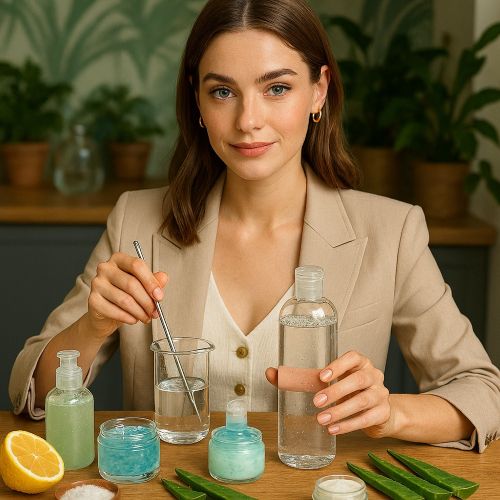 Summer is a season of sun, warmth, and outdoor adventures. While we enjoy the long days, our skin faces unique challenges, including increased sun exposure, sweat, and dehydration. The cosmetics we use during this time need to be gentle, effective, and specifically designed to soothe, hydrate, and protect. While the market is flooded with products, creating your own summer skincare line allows for a personalized approach, using high-quality, natural ingredients tailored to your skin's specific needs. This article provides a comprehensive guide to crafting your own micellar water, cooling gels, and after-sun care products. We'll detail the preparation nuances, explore the benefits, and compare them to industrial alternatives.
Why Homemade Summer Cosmetics are Superior
Creating your own skincare products offers a number of key advantages over store-bought alternatives.
-
Ingredient Control: You have complete control over every ingredient. This means you can avoid synthetic fragrances, harsh preservatives, and fillers that can irritate sensitive skin, especially after sun exposure.
-
Freshness and Potency: Homemade products are made in small batches, ensuring the actives are at their peak potency. Ingredients like botanical extracts and essential oils are more effective when they are fresh.
-
Customization: You can adjust the formulas to suit your skin type. For example, you can add more soothing ingredients for sunburned skin or more hydrating elements for dry skin.
-
Cost-Effectiveness: Making your own products is often significantly cheaper than buying premium, natural skincare from a commercial brand.
Summer Essentials: Three Detailed Recipes
These three recipes are designed to address common summer skincare needs. They are simple to prepare and highly effective.
Recipe 1: Gentle Hydrating Micellar Water
Micellar water is a staple for a quick and gentle cleanse, perfect for removing sweat and light makeup at the end of a long day.
-
Prepare the base. In a sterilized beaker, combine 90g of distilled water and 5g of a gentle hydrosol (like rose or lavender).
-
Add the solubilizer. Add 5g of a non-ionic surfactant, such as Polysorbate 20 or Caprylyl/Capryl Glucoside. This is the key ingredient that creates the "micelles" to lift dirt and oil.
-
Add the humectant and preservative. Add 2g of vegetable glycerin for hydration and 1g of a broad-spectrum preservative like Geogard 221. Stir gently until all ingredients are fully dissolved.
-
Package and store. Pour the micellar water into a clean bottle with a pump or cap.
Recommendations for Use: Apply a small amount to a cotton pad and gently wipe across your face to cleanse. No rinsing is required.
Storage: Store in a cool, dark place. The shelf life is up to 3 months.
Recipe 2: Aloe Vera Cooling Gel
A cooling gel is a must-have for soothing the skin after a hot day or a mild sunburn. This recipe uses pure aloe vera for maximum soothing power.
-
Prepare the gelling agent. In a sterilized beaker, weigh 90g of pure, high-quality aloe vera gel.
-
Add the soothing actives. Add 5g of panthenol (Vitamin B5) for its skin-repairing properties and 2g of all-natural chamomile extract for its anti-inflammatory benefits. Stir gently with a whisk or glass rod.
-
Add a cooling element. Add a few drops of peppermint hydrosol for an instant cooling sensation.
-
Add the preservative. Add 1g of a broad-spectrum preservative like Leucidal Liquid to ensure the product remains safe for use. Stir well.
Recommendations for Use: Apply a generous layer to sun-exposed or irritated skin. It can be stored in the refrigerator for an extra cooling effect.
Storage: Store in a cool, dark place or in the refrigerator. The shelf life is up to 6 months.
Recipe 3: Nourishing After-Sun Lotion
An after-sun lotion should rehydrate and replenish the skin with oils and emollients. This recipe uses a simple emulsion to deliver these benefits.
-
Prepare the water phase. In a sterilized beaker, combine 65g of distilled water and 5g of vegetable glycerin. Heat to 70°C.
-
Prepare the oil phase. In a separate beaker, combine 10g of shea butter, 10g of calendula-infused oil, and 5g of a reliable emulsifying wax like Olivem 1000. Heat to 70°C, stirring until all ingredients are melted.
-
Emulsify. Slowly pour the hot water phase into the hot oil phase, mixing with a hand blender in short pulses until a creamy emulsion forms. Continue mixing as the lotion cools.
-
Add final actives and preservative. When the temperature drops below 40°C, add 2g of panthenol and 1g of a broad-spectrum preservative. Stir well.
Recommendations for Use: Apply generously to skin after sun exposure to moisturize and soothe. The calendula-infused oil helps reduce redness and inflammation.
Storage: Store in a cool, dark place. The shelf life is up to 3 months.
Advantages Over Industrial Alternatives
Creating these products at home offers several key benefits that go beyond simple cost savings.
-
No Harsh Chemicals: Industrial products often contain harsh surfactants, synthetic fragrances, and questionable preservatives to extend shelf life for years. Your homemade products contain only what is necessary, making them kinder to your skin.
-
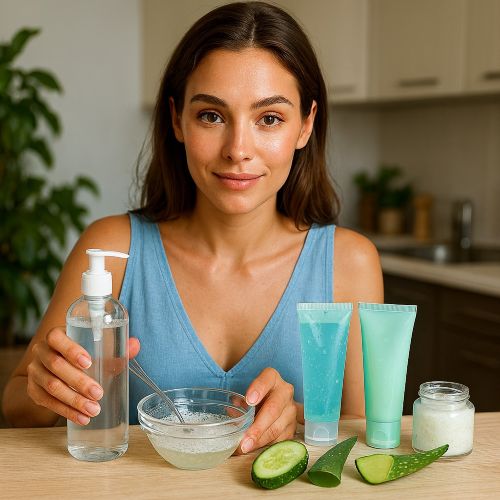 Full Potency: Many store-bought products contain minimal amounts of expensive active ingredients. By making your own, you can use high, effective concentrations of actives like panthenol and plant extracts, ensuring the product works as intended.
-
Tailored to Your Needs: Commercial products are a one-size-fits-all solution. Your homemade products are a perfect fit for your skin, whether you need extra soothing for sensitive skin or a richer lotion for very dry skin.
-
Ingredient Transparency: You know exactly what is in your product. The lack of hidden ingredients and fillers gives you peace of mind and builds trust in what you are putting on your body.
By embracing the art of homemade cosmetic formulation, you not only take control of your skincare routine but also create high-quality, effective, and safe products that are superior to their industrial counterparts.


Cosmetic ingredients and professional formulation blog
This section features expert materials on modern cosmetic actives. We cover peptides, polynucleotides PDRN, different forms of hyaluronic acid, retinoids, ceramides and other key components.
Special focus is given to active stability, ingredient compatibility and correct incorporation into formulas. You will find practical guides on working with anti-age actives, moisturizing complexes and barrier repair ingredients.
We examine how to properly combine myorelaxants with peptides, common mistakes when using unstable vitamin C forms and ways to improve the performance of moisturizing actives.
Separate materials are dedicated to base oils, extracts, emulsifiers and supporting ingredients. This helps create stable and effective formulas for both professional and home cosmetics.
The blog regularly publishes reviews of trending actives, comparisons of similar ingredients and step-by-step formulation recommendations. The content is aimed at formulators, technologists and anyone seriously involved in creating cosmetic products.
Why this blog is useful
Here you will find practical data on eye area care actives, lifting systems and ingredients that improve skin firmness and tone. We rely on real formulation experience and address the actual challenges that arise during product development.
You can also explore materials on skin protection and repair, depigmentation and anti-inflammatory actives. This approach supports a more systematic selection of ingredients.
FAQ
What topics are covered most often
The blog focuses on peptides, PDRN, hyaluronic acid of different molecular weights, retinoids, ceramides and their compatibility rules.
Are there practical recommendations on how to incorporate actives
Yes, most articles include practical notes on pH stability, incorporation temperature and common formulation mistakes.
Is the content only for professionals
The materials are useful both for formulators and technologists and for those who create cosmetics for personal use and want to understand how modern ingredients work.
Where can I go directly to the ingredients
All key actives are collected in the Actives section, while base components are available in base oils and related categories.



