-
 DIY: Video master classes
-
 Aromatherapy
-
 Felting master classes
-
 Eating at home
-
 DIY cosmetics for children
-
 Cooking recipes
-
 Detergents, cleaning products with your own hands
-
 Soap making as a business
-
 Natural cosmetics. Raw materials for cosmetics and soap.
-
 Natural oils in cosmetics
-
 News
-
 Recipes for balms and conditioners
-
 Bath Bomb Recipes
-
 Cream recipes. Cream making.
-
 Lotion recipes. Gel recipes.
-
 Mask recipes
-
 Soap recipes. Base soap. Soap from scratch.
-
 Recipes for all occasions
-
 Natural shampoo recipes
-
 Healthy Nutrition Recipes
-
 Scrub recipes. Massage tiles. Ubtan
-
 DIY candles
-
 Reference materials, questions, tips
-
 Startup - soap production
-
 Hair care. Tips, recipes
-
 Facial skin care. Cleansers.
-
 Body care. Tips, recipes
-
 Photo Reviews
-
 Chocolate Handmade


Lightweight floral emulsion for skin rejuvenation: An ode to radiance and freshness
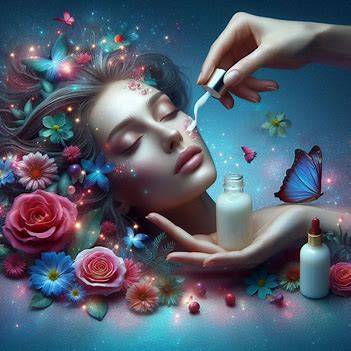 In the symphony of skincare, lightweight floral emulsions play a captivating melody. These delicate formulations, infused with the essence of blooms, offer a beautiful harmony of rejuvenation and refreshment for your skin.
A Composition of Rejuvenation:
The magic of a light floral emulsion lies in its ability to deliver potent yet gentle skincare benefits. Here's a breakdown of the key players in this symphony:
- Floral Extracts: Delicate extracts from roses, lavender, chamomile, or jasmine offer a multitude of benefits. They can soothe irritation, promote cell regeneration, and possess mild astringent properties that help refine pores.
- Lightweight Emollients: Unlike richer creams, these emulsions utilize lightweight oils and emollients that readily absorb into the skin. This provides essential hydration without a greasy feel.
- Humectants: Ingredients like hyaluronic acid or glycerin draw moisture from the air and deeper skin layers, keeping your skin plump and hydrated throughout the day.
- Antioxidants: Botanical extracts or vitamins like C and E shield the skin from free radical damage, a major contributor to wrinkles and loss of elasticity.
The Enchanting Benefits:
A light floral emulsion isn't just about a delightful fragrance (although that's a welcome bonus). Here's how it can benefit your skin:
- Enhanced Radiance: The combination of hydration, gentle exfoliation (from floral extracts), and improved cell turnover leads to a brighter, more radiant complexion.
- Soothed and Balanced Skin: Floral extracts and lightweight emollients calm irritation and redness, creating a more balanced and comfortable feeling on the skin.
- Refined Pores: The astringent properties of some floral extracts, along with gentle exfoliation, can help minimize the appearance of pores for a smoother texture.
- Improved Hydration: Lightweight emollients and humectants work together to provide long-lasting hydration, keeping your skin dewy and supple.
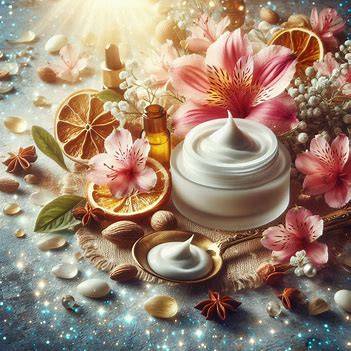 The Perfect Note for Your Skin:
Light floral emulsions are particularly well-suited for:
- Normal to Combination Skin: They offer the right balance of hydration without being overly heavy.
- Mature Skin: The focus on hydration and cell regeneration can help reduce the appearance of fine lines and wrinkles.
- Sun-Exposed Skin: Antioxidants can help combat free radical damage caused by UV rays.
How to Compose Your Skincare Symphony:
To experience the full potential of a light floral emulsion, integrate it seamlessly into your routine:
- Cleanse: Begin with a gentle cleanser suitable for your skin type.
- Tone (Optional): If using a toner, choose an alcohol-free formula to avoid stripping away the benefits of the emulsion.
- Emulsion: Apply a few drops of the emulsion onto your fingertips and gently massage it into your face and neck.
- Moisturizer (Optional): For drier skin types, a lightweight moisturizer can be layered on top for additional hydration.
- Sunscreen: Always wear sunscreen with SPF 30 or higher during the day to protect your rejuvenated skin.
The Final Note: Embrace the Ritual
Applying a light floral emulsion is more than just a skincare step; it's a moment of self-care. Breathe in the delicate floral aroma, feel the lightweight texture melt into your skin, and celebrate the renewed radiance it brings. With this daily ritual, your skin will become a canvas for lasting beauty and a testament to the power of natural rejuvenation.
Remember:
- Conduct a patch test before incorporating any new product into your routine.
- Look for emulsions formulated with natural and organic ingredients for optimal benefits.
- Choose an emulsion that caters to your specific skin concerns.
By incorporating a light floral emulsion into your skincare symphony, you can unlock a world of radiance, rejuvenation, and a renewed sense of youthful freshness for your skin.
"


Cosmetic ingredients and professional formulation blog
This section features expert materials on modern cosmetic actives. We cover peptides, polynucleotides PDRN, different forms of hyaluronic acid, retinoids, ceramides and other key components.
Special focus is given to active stability, ingredient compatibility and correct incorporation into formulas. You will find practical guides on working with anti-age actives, moisturizing complexes and barrier repair ingredients.
We examine how to properly combine myorelaxants with peptides, common mistakes when using unstable vitamin C forms and ways to improve the performance of moisturizing actives.
Separate materials are dedicated to base oils, extracts, emulsifiers and supporting ingredients. This helps create stable and effective formulas for both professional and home cosmetics.
The blog regularly publishes reviews of trending actives, comparisons of similar ingredients and step-by-step formulation recommendations. The content is aimed at formulators, technologists and anyone seriously involved in creating cosmetic products.
Why this blog is useful
Here you will find practical data on eye area care actives, lifting systems and ingredients that improve skin firmness and tone. We rely on real formulation experience and address the actual challenges that arise during product development.
You can also explore materials on skin protection and repair, depigmentation and anti-inflammatory actives. This approach supports a more systematic selection of ingredients.
FAQ
What topics are covered most often
The blog focuses on peptides, PDRN, hyaluronic acid of different molecular weights, retinoids, ceramides and their compatibility rules.
Are there practical recommendations on how to incorporate actives
Yes, most articles include practical notes on pH stability, incorporation temperature and common formulation mistakes.
Is the content only for professionals
The materials are useful both for formulators and technologists and for those who create cosmetics for personal use and want to understand how modern ingredients work.
Where can I go directly to the ingredients
All key actives are collected in the Actives section, while base components are available in base oils and related categories.



