-
 DIY: Video master classes
-
 Aromatherapy
-
 Felting master classes
-
 Eating at home
-
 DIY cosmetics for children
-
 Cooking recipes
-
 Detergents, cleaning products with your own hands
-
 Soap making as a business
-
 Natural cosmetics. Raw materials for cosmetics and soap.
-
 Natural oils in cosmetics
-
 News
-
 Recipes for balms and conditioners
-
 Bath Bomb Recipes
-
 Cream recipes. Cream making.
-
 Lotion recipes. Gel recipes.
-
 Mask recipes
-
 Soap recipes. Base soap. Soap from scratch.
-
 Recipes for all occasions
-
 Natural shampoo recipes
-
 Healthy Nutrition Recipes
-
 Scrub recipes. Massage tiles. Ubtan
-
 DIY candles
-
 Reference materials, questions, tips
-
 Startup - soap production
-
 Hair care. Tips, recipes
-
 Facial skin care. Cleansers.
-
 Body care. Tips, recipes
-
 Photo Reviews
-
 Chocolate Handmade


Cream with bakuchiol and coenzyme Q10
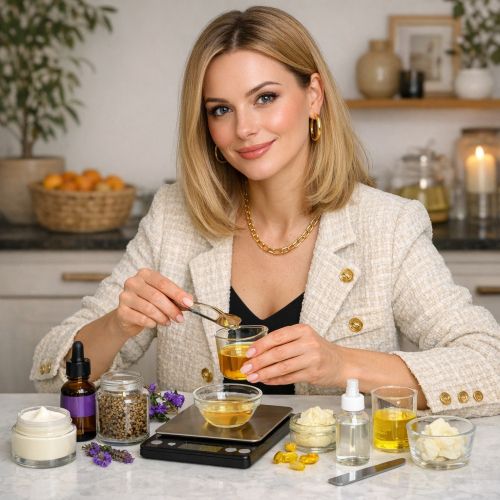 Cream with bakuchiol and coenzyme Q10 has emerged as the premier gold standard for those seeking high performance anti aging results without the irritation commonly associated with synthetic retinoids. Bakuchiol is a natural meroterpene derived from the seeds of the Psoralea corylifolia plant. It serves as a functional analog to retinol providing identical benefits in collagen stimulation and gene expression but with a significantly higher safety profile. When combined with Coenzyme Q10 also known as ubiquinone this formulation addresses both the structural integrity of the skin and the energy production within mitochondrial cells.
In this comprehensive professional article we will examine the synergistic relationship between these two lipophilic actives and provide three detailed recipes for creating stable effective emulsions at home.
Beneficial Properties and Molecular Action of Bakuchiol and Ubiquinone
The molecular magic of bakuchiol lies in its ability to stimulate type one collagen and inhibit the enzymes that break down the skin matrix. Unlike retinol bakuchiol does not cause photosensitivity or dryness making it suitable for daytime use and sensitive skin types. It effectively targets hyperpigmentation by regulating melanin synthesis and smooths fine lines by increasing epidermal thickness.
Coenzyme Q10 acts as the power station for skin cells. It is a potent antioxidant naturally found in human cells but its levels deplete rapidly with age and UV exposure. By replenishing ubiquinone topically you provide the skin with the necessary energy to repair oxidative damage and maintain cellular metabolism. Together bakuchiol and Q10 create a dual action system bakuchiol repairs the structural scaffold while Q10 ensures the cells have the vitality to sustain that repair.
Advantages of Custom Formulations Over Industrial Analogs
The primary disadvantage of many industrial creams containing bakuchiol and Q10 is the low concentration of active ingredients. In mass market products these actives are often used at claim levels meaning they are present in concentrations below zero point one percent just to be listed on the label. A professional custom formulation allows you to use bakuchiol at the scientifically proven effective rate of one percent and Q10 at concentrations that actually provide antioxidant protection.
Furthermore industrial analogs often rely on heavy silicones and petroleum derivatives to create a pleasant skin feel. These ingredients can interfere with the skin natural respiration and microbiome. Custom formulations prioritize biocompatible lipid phases such as squalane or jojoba oil which carry the fat soluble bakuchiol and Q10 deeper into the stratum corneum. By making your own cream you eliminate synthetic fragrances and harsh preservatives that often trigger inflammation in aging skin.
Technical Nuances of Preparation and Lipophilic Stability
Both bakuchiol and coenzyme Q10 are lipophilic meaning they dissolve in oils. This requires a precise emulsification process to ensure they are evenly distributed and do not oxidize. Coenzyme Q10 is particularly heat sensitive and has a characteristic bright orange or yellow color. If it is overheated during the oil phase melting process it can lose its antioxidant potency.
The technical key to a successful formulation is the cool down phase. You must prepare a stable base emulsion first and introduce the bakuchiol and Q10 only when the temperature has dropped to a safe level. This preserves the delicate molecular bonds. Additionally because both actives are sensitive to light and air the final product must be packaged in containers that prevent UV penetration and minimize oxygen exposure to prevent the cream from turning brown or losing its efficacy.
Recipe One Intensive Nightly Repair Balm for Mature Skin
This rich formulation focuses on deep nourishment and structural remodeling during the sleep cycle when skin repair is at its peak.
Composition Fifty milliliters rose hydrosol Twenty milliliters argan oil Ten milliliters squalane Six grams lamellar emulsifier Five grams mango butter One milliliter bakuchiol Zero point five grams coenzyme Q10 powder Preservative
Preparation Step one Sanitize all laboratory equipment and glass beakers using seventy percent isopropyl alcohol. Step two Combine the rose hydrosol in one beaker and heat it gently in a water bath. Step three In a second beaker melt the argan oil squalane mango butter and emulsifier until the mixture is uniform and liquid. Step four Slowly pour the water phase into the oil phase while using a high speed mixer to create a thick creamy emulsion. Step five Continue to stir the mixture slowly by hand as it cools down toward room temperature. Step six Once the cream is no longer hot add the bakuchiol and the coenzyme Q10 powder ensuring the powder is fully dissolved into the lipid base. Step seven Incorporate the preservative and transfer the balm into a dark glass jar for storage.
Recipe Two Daily Antioxidant Fluid for All Skin Types
A lightweight breathable fluid designed to protect the skin from environmental stress throughout the day.
Composition Seventy milliliters distilled water Ten milliliters jojoba oil Ten milliliters apricot kernel oil Four grams light emulsifying wax One milliliter bakuchiol Zero point three grams coenzyme Q10 Two milliliters vitamin E tocopherol Preservative
Preparation Step one Clean and disinfect your workspace and all stirring tools. Step two Mix the jojoba oil apricot kernel oil and emulsifying wax and heat in a water bath until melted. Step three Heat the distilled water separately to match the temperature of the oils. Step four Use a homogenizer or mini mixer to combine the phases until a light fluid texture is achieved. Step five Allow the fluid to cool significantly while stirring to prevent air bubbles. Step six Add the bakuchiol coenzyme Q10 and vitamin E which acts as a secondary antioxidant to stabilize the formula. Step seven Add the preservative and package the fluid in a vacuum pump bottle to ensure maximum freshness.
Recipe Three Targeted Eye and Expression Line Cream
A highly concentrated formula specifically designed to treat the delicate area around the eyes and mouth.
Composition Forty milliliters cornflower hydrosol Ten milliliters evening primrose oil Ten milliliters rosehip oil Five grams lamellar emulsifier One milliliter bakuchiol Zero point five grams coenzyme Q10 Two milliliters green tea extract Preservative
Preparation Step one Prepare a sterile laboratory environment for handling sensitive ingredients. Step two Combine the oils and the emulsifier in a glass vessel and heat until clear. Step three Heat the cornflower hydrosol in a separate vessel. Step four Combine both phases and mix at high speed for three minutes to form a fine lamellar structure. Step five Let the cream cool down while stirring occasionally to ensure a smooth non grainy texture. Step six Incorporate the bakuchiol coenzyme Q10 and the green tea extract for additional anti inflammatory benefits. Step seven Mix in the preservative and store the finished cream in a small opaque pump container.
Professional Recommendations for Application and Use
To obtain the maximum benefit from a bakuchiol and Q10 cream it should be applied to clean slightly damp skin. This helps the oils spread more evenly and locks in the hydration from the water phase. For the intensive repair balm use a pea sized amount and warm it between your fingertips before pressing it into the skin. This activates the lipids and ensures better absorption.
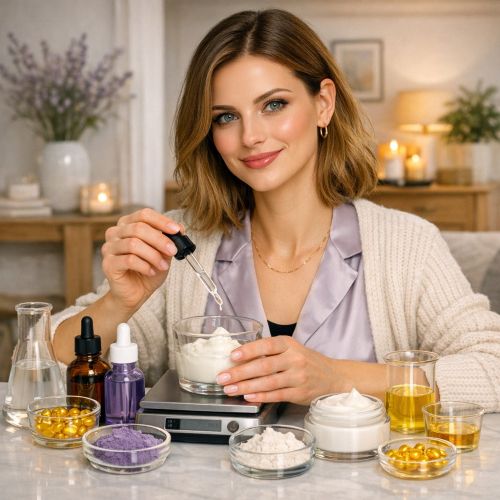
Unlike synthetic retinol this cream can be used both morning and night. If used during the day follow with a broad spectrum sunscreen to protect the skin from further UV damage although bakuchiol does not cause the same sensitivity as retinol. For the eye cream use your ring finger to gently tap the product around the orbital bone avoiding direct contact with the eyes. Results are usually visible after four to six weeks of consistent use as cellular turnover takes time to manifest on the surface.
Detailed Storage Guidelines and Maintaining Product Stability
Storage is the most critical factor for products containing coenzyme Q10 and bakuchiol. Both ingredients are highly susceptible to photodegradation. Always store your creams in a cool dark place. A temperature between fifteen and twenty degrees Celsius is ideal. Do not store these products in the bathroom as the frequent changes in humidity and heat can destabilize the emulsion and cause the oils to go rancid.
The shelf life of these professional handmade creams is generally three to four months when using a broad spectrum eco preservative. Using an airless pump dispenser is the best way to prevent bacterial contamination and oxidation. If the cream develops a strange odor or if the bright yellow color of the Q10 fades significantly it is an indication that the active ingredients have oxidized and the product should no longer be used for therapeutic purposes.


Cosmetic ingredients and professional formulation blog
This section features expert materials on modern cosmetic actives. We cover peptides, polynucleotides PDRN, different forms of hyaluronic acid, retinoids, ceramides and other key components.
Special focus is given to active stability, ingredient compatibility and correct incorporation into formulas. You will find practical guides on working with anti-age actives, moisturizing complexes and barrier repair ingredients.
We examine how to properly combine myorelaxants with peptides, common mistakes when using unstable vitamin C forms and ways to improve the performance of moisturizing actives.
Separate materials are dedicated to base oils, extracts, emulsifiers and supporting ingredients. This helps create stable and effective formulas for both professional and home cosmetics.
The blog regularly publishes reviews of trending actives, comparisons of similar ingredients and step-by-step formulation recommendations. The content is aimed at formulators, technologists and anyone seriously involved in creating cosmetic products.
Why this blog is useful
Here you will find practical data on eye area care actives, lifting systems and ingredients that improve skin firmness and tone. We rely on real formulation experience and address the actual challenges that arise during product development.
You can also explore materials on skin protection and repair, depigmentation and anti-inflammatory actives. This approach supports a more systematic selection of ingredients.
FAQ
What topics are covered most often
The blog focuses on peptides, PDRN, hyaluronic acid of different molecular weights, retinoids, ceramides and their compatibility rules.
Are there practical recommendations on how to incorporate actives
Yes, most articles include practical notes on pH stability, incorporation temperature and common formulation mistakes.
Is the content only for professionals
The materials are useful both for formulators and technologists and for those who create cosmetics for personal use and want to understand how modern ingredients work.
Where can I go directly to the ingredients
All key actives are collected in the Actives section, while base components are available in base oils and related categories.



