-
 DIY: Video master classes
-
 Aromatherapy
-
 Felting master classes
-
 Eating at home
-
 DIY cosmetics for children
-
 Cooking recipes
-
 Detergents, cleaning products with your own hands
-
 Soap making as a business
-
 Natural cosmetics. Raw materials for cosmetics and soap.
-
 Natural oils in cosmetics
-
 News
-
 Recipes for balms and conditioners
-
 Bath Bomb Recipes
-
 Cream recipes. Cream making.
-
 Lotion recipes. Gel recipes.
-
 Mask recipes
-
 Soap recipes. Base soap. Soap from scratch.
-
 Recipes for all occasions
-
 Natural shampoo recipes
-
 Healthy Nutrition Recipes
-
 Scrub recipes. Massage tiles. Ubtan
-
 DIY candles
-
 Reference materials, questions, tips
-
 Startup - soap production
-
 Hair care. Tips, recipes
-
 Facial skin care. Cleansers.
-
 Body care. Tips, recipes
-
 Photo Reviews
-
 Chocolate Handmade


Fluid cream with polyglutamic acid and sodium hyaluronate
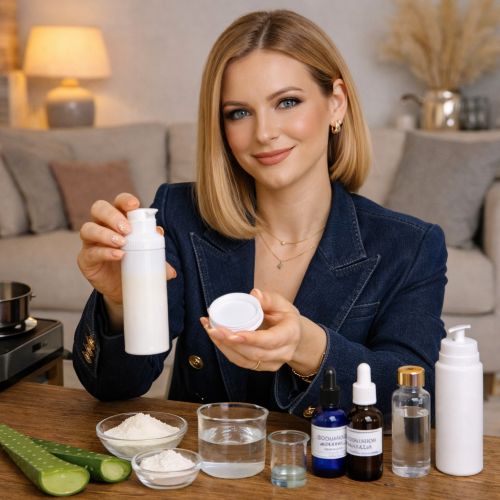 Fluid cream with polyglutamic acid and sodium hyaluronate represents the pinnacle of modern moisturizing technology. While traditional skincare often relies on single molecules to address dryness the combination of polyglutamic acid and sodium hyaluronate creates a multi dimensional hydration network. Sodium hyaluronate works deep within the epidermis to plump the skin from inside while polyglutamic acid forms a breathable film on the surface that holds four times more moisture than hyaluronic acid alone.
In this professional article we will explore the molecular synergy of these ingredients and provide three detailed recipes for creating stable high performance fluid creams that outperform mass market alternatives.
Beneficial Properties and Molecular Synergy of Active Hydrators
The primary function of sodium hyaluronate is its ability to penetrate the skin barrier due to its smaller molecular size compared to pure hyaluronic acid. It attracts water molecules to the deeper layers of the stratum corneum effectively reducing the appearance of fine lines caused by dehydration. However sodium hyaluronate can sometimes evaporate if the environment is too dry which is where polyglutamic acid becomes essential.
Polyglutamic acid is a natural biopolymer often derived from fermented soybeans. Its main advantage is its large molecular weight which prevents it from being absorbed too deeply. Instead it sits on the skin surface as a humectant shield. More importantly polyglutamic acid inhibits the enzyme hyaluronidase which is responsible for breaking down the skin natural hyaluronic acid. Together these two actives ensure that moisture is both delivered to the cells and protected from environmental loss.
Advantages of Custom Fluid Creams Over Industrial Analogs
The most significant advantage of formulating your own fluid cream with polyglutamic acid and sodium hyaluronate is the elimination of cheap synthetic fillers. Industrial analogs frequently use liquid paraffin or heavy silicones to create a temporary feeling of smoothness. These substances often trap bacteria and can lead to long term pore congestion. By creating your own formula you can use high quality squalane or cold pressed botanical oils as the lipid base ensuring true biocompatibility.
Furthermore many commercial products include polyglutamic acid at concentrations below zero point one percent simply for marketing purposes. In a professional handmade formulation you can maintain an active concentration of zero point five to one percent which is the therapeutic range required for visible results. This leads to a product that is more effective more concentrated and perfectly balanced for your specific skin type without unnecessary chemical fragrances or harsh preservatives.
Technical Nuances of Preparation and Emulsion Stability
Achieving a stable fluid cream requires a precise understanding of cold and hot process emulsification. Sodium hyaluronate requires time to fully hydrate in water before other ingredients are added. If the powder is not allowed to bloom properly it can form clumps that destabilize the final emulsion. Polyglutamic acid is even more sensitive to shear force and should be introduced toward the end of the formulation process to maintain its film forming integrity.
Temperature control is the second critical nuance. While some emulsifiers require heat to bond oil and water the active hydrating molecules can degrade if kept at high temperatures for too long. A professional approach involves heating the phases separately to the point of melting then combining them and allowing the mixture to cool significantly before adding the heat sensitive polyglutamic acid and sodium hyaluronate. Maintaining a pH between five point zero and six point zero is also mandatory to ensure the preservative system works effectively and the skin acid mantle remains undisturbed.
Recipe One Ultra Light Daily Hydrating Fluid
This formula is designed for daytime use providing a matte finish while keeping the skin hydrated throughout the work day.
Composition Sixty milliliters distilled water Ten milliliters cornflower hydrosol Ten milliliters squalane Four grams light lamellar emulsifier One gram sodium hyaluronate powder Zero point five grams polyglutamic acid Eco preservative
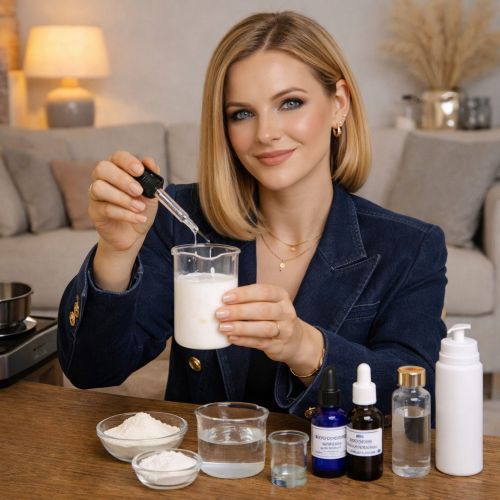
Preparation Step one Sanitize all laboratory equipment and glass beakers with seventy percent alcohol. Step two Add the sodium hyaluronate to the distilled water and hydrosol then leave it for one hour to form a clear gel. Step three In a separate beaker melt the squalane and the lamellar emulsifier in a water bath until completely liquid. Step four Slowly pour the water phase into the oil phase while whisking with a high speed mini mixer for three minutes. Step five As the emulsion cools to room temperature stir in the polyglutamic acid gently by hand. Step six Add the eco preservative and check the pH levels to ensure they are around five point five. Step seven Transfer the fluid into an airless pump bottle to prevent oxidation of the lipids.
Recipe Two Soothing Recovery Fluid for Sensitive Skin
A specialized formula containing extra calming agents to repair the barrier after sun exposure or windburn.
Composition Fifty milliliters aloe vera juice Twenty milliliters distilled water Ten milliliters jojoba oil Five grams emulsifying wax One gram sodium hyaluronate One gram polyglutamic acid Two milliliters d panthenol Preservative
Preparation Step one Ensure all tools are sterilized and ingredients are weighed precisely on a digital scale. Step two Mix the aloe vera juice and distilled water then hydrate the sodium hyaluronate in this liquid base for sixty minutes. Step three Heat the jojoba oil and emulsifying wax in a water bath until fully melted and integrated. Step four Combine the water and oil phases using a homogenizer to create a glossy uniform texture. Step five During the cooling phase add the d panthenol and the polyglutamic acid to the mixture. Step six Incorporate the preservative and stir for an additional two minutes to ensure full distribution. Step seven Allow the fluid to set for twelve hours before the first application to let the liquid crystals stabilize.
Recipe Three Nightly Deep Moisture Restore Fluid
A richer version of the fluid cream designed to work with the skin circadian rhythm for maximum overnight repair.
Composition Forty milliliters rose hydrosol Twenty milliliters distilled water 十五 milliliters argan oil Five grams shea butter Five grams lamellar emulsifier One gram sodium hyaluronate One gram polyglutamic acid Two milliliters vitamin E Preservative
Preparation Step one Clean and disinfect your workspace and all stirring tools. Step two Bloom the sodium hyaluronate in the rose hydrosol and water for one hour until a thick gel is achieved. Step three Melt the argan oil shea butter and emulsifier together in a glass beaker over a water bath. Step four Pour the gel phase into the oil phase and emulsify using high shear mixing for three to five minutes. Step five Wait until the cream is cool to the touch then add the vitamin E and the polyglutamic acid. Step six Add the preservative and mix thoroughly to ensure the product remains stable for several months. Step seven Package the restore fluid in a dark glass container to protect the delicate oils from light.
Professional Recommendations for Use and Layering
To maximize the benefits of a fluid cream with polyglutamic acid and sodium hyaluronate it should be applied to slightly damp skin. This allows the sodium hyaluronate to pull that surface moisture deeper into the pores. Use two pumps of the fluid and spread it evenly across the face neck and décolletage using upward strokes.
Because this fluid acts as both a humectant and a light emollient it can be used alone for oily skin or as a serum layer for very dry skin. If you are layering it with other products apply your water based serums first then the fluid cream and finally a thicker occlusive cream or facial oil if needed. This sequence ensures that the moisture trapped by the polyglutamic acid is sealed into the skin effectively throughout the day or night.
Detailed Guidelines for Storage and Product Longevity
Professional handmade cosmetics require specific storage to maintain the activity of the hydrating molecules. Fluid creams with polyglutamic acid should be kept in a cool dark place away from direct sunlight. Ideal temperatures are between fifteen and twenty degrees Celsius. Avoid storing your products in the bathroom as the constant humidity and temperature changes can cause the emulsion to separate over time.
The shelf life for these formulas is typically four to six months depending on the preservative system used. It is vital to use airless dispensers or bottles with pumps rather than open jars to prevent air and bacteria from entering the product. If the fluid changes in scent or develops any discoloration it is an indication that the active ingredients have oxidized or the preservative has expired and the product should be replaced. Regular labeling with the date of manufacture is a best practice for maintaining a safe and effective skincare routine.


Cosmetic ingredients and professional formulation blog
This section features expert materials on modern cosmetic actives. We cover peptides, polynucleotides PDRN, different forms of hyaluronic acid, retinoids, ceramides and other key components.
Special focus is given to active stability, ingredient compatibility and correct incorporation into formulas. You will find practical guides on working with anti-age actives, moisturizing complexes and barrier repair ingredients.
We examine how to properly combine myorelaxants with peptides, common mistakes when using unstable vitamin C forms and ways to improve the performance of moisturizing actives.
Separate materials are dedicated to base oils, extracts, emulsifiers and supporting ingredients. This helps create stable and effective formulas for both professional and home cosmetics.
The blog regularly publishes reviews of trending actives, comparisons of similar ingredients and step-by-step formulation recommendations. The content is aimed at formulators, technologists and anyone seriously involved in creating cosmetic products.
Why this blog is useful
Here you will find practical data on eye area care actives, lifting systems and ingredients that improve skin firmness and tone. We rely on real formulation experience and address the actual challenges that arise during product development.
You can also explore materials on skin protection and repair, depigmentation and anti-inflammatory actives. This approach supports a more systematic selection of ingredients.
FAQ
What topics are covered most often
The blog focuses on peptides, PDRN, hyaluronic acid of different molecular weights, retinoids, ceramides and their compatibility rules.
Are there practical recommendations on how to incorporate actives
Yes, most articles include practical notes on pH stability, incorporation temperature and common formulation mistakes.
Is the content only for professionals
The materials are useful both for formulators and technologists and for those who create cosmetics for personal use and want to understand how modern ingredients work.
Where can I go directly to the ingredients
All key actives are collected in the Actives section, while base components are available in base oils and related categories.



