-
 DIY: Video master classes
-
 Aromatherapy
-
 Felting master classes
-
 Eating at home
-
 DIY cosmetics for children
-
 Cooking recipes
-
 Detergents, cleaning products with your own hands
-
 Soap making as a business
-
 Natural cosmetics. Raw materials for cosmetics and soap.
-
 Natural oils in cosmetics
-
 News
-
 Recipes for balms and conditioners
-
 Bath Bomb Recipes
-
 Cream recipes. Cream making.
-
 Lotion recipes. Gel recipes.
-
 Mask recipes
-
 Soap recipes. Base soap. Soap from scratch.
-
 Recipes for all occasions
-
 Natural shampoo recipes
-
 Healthy Nutrition Recipes
-
 Scrub recipes. Massage tiles. Ubtan
-
 DIY candles
-
 Reference materials, questions, tips
-
 Startup - soap production
-
 Hair care. Tips, recipes
-
 Facial skin care. Cleansers.
-
 Body care. Tips, recipes
-
 Photo Reviews
-
 Chocolate Handmade


Body cream with retinol and ceramides
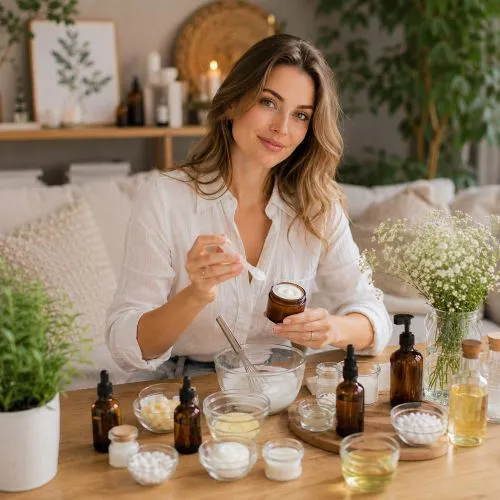 Modern body care is reaching new heights by incorporating active ingredients previously reserved for facial treatments. The combination of retinol and ceramides in a single body cream creates a powerful synergistic effect. While retinol (Vitamin A) actively stimulates cellular turnover and collagen production, ceramides restore the integrity of the lipid layer, preventing irritation and moisture loss. This product is ideal for addressing age related changes, loss of firmness, and chronic skin dryness.
In this article, we examine the biochemical properties of these actives, the technology for creating stable emulsions, and provide three professional recipes for making the cream at home.
Beneficial Properties of Retinol and Ceramides for Skin Regeneration
Retinol is considered the gold standard in anti aging therapy. It accelerates the metabolism of epidermal cells, forcing the skin to renew itself faster. This helps even out microrelief, reduce the visibility of stretch marks and pigmentation, and densify the dermis by stimulating the synthesis of structural proteins. Regular application of retinol returns a youthful appearance and elasticity to the body.
Ceramides are essential lipids that form the basis of our skins protective barrier. They act like cement holding skin cells together, creating an impermeable shield against bacteria and harmful environmental influences. Using ceramides alongside retinol is critical because Vitamin A can cause temporary dryness. Ceramides instantly compensate for this effect, ensuring maximum comfort and deep nourishment.
Advantages of Handcrafted Body Cream Over Industrial Products
Most commercial body products contain only symbolic amounts of retinol, which often degrades before even reaching the skin due to improper packaging or unstable formulas. By creating the cream yourself, you can use encapsulated retinol, which is released gradually and acts much more gently. You also determine the concentration of actives yourself, focusing on the sensitivity of your specific skin.
Home preparation allows you to avoid aggressive petroleum products such as mineral oil or paraffin, which only create an illusion of hydration. Instead, you use natural vegetable oils rich in phytosterols and antioxidants. This allows for the creation of a premium quality product with an honest composition where every component works for a result.
Technical Nuances and Secrets of Preparing Cream with Vitamin A
Retinol is one of the most temperamental components in cosmetology. It is extremely sensitive to light, oxygen, and high temperatures. For this reason, it is never added to a hot emulsion. The introduction of retinol occurs only at the final stage when the cream has completely cooled to room temperature. This guarantees the preservation of its activity and effectiveness.
Ceramides are usually introduced into the oil phase or the active phase depending on their form, such as a liquid complex or powder. It is also important to maintain the correct pH level of the product, which for this combination of actives should be within the range of five point five to six point zero. Using opaque containers or airless pumps is mandatory to protect retinol from oxidation caused by light exposure.
Recipe One Anti Aging Night Cream for Body Firmness
An intensive treatment aimed at collagen stimulation and a noticeable lifting effect for the skin.
Composition Sixty milliliters distilled water Ten grams Olivem 1000 emulsifier Five milliliters sweet almond oil Five milliliters shea butter Three milliliters ceramide complex Two milliliters encapsulated retinol Eco friendly preservative
Preparation Step one Disinfect all utensils and tools with seventy percent ethyl alcohol. Step two In the first container, combine the water; in the second, combine the oils and the emulsifier. Step three Heat both phases in a water bath until the ingredients are completely dissolved. Step four Slowly pour the oil phase into the water while constantly stirring with a mini mixer until a stable emulsion forms. Step five Stir the cream manually until completely cool to ensure the structure is homogeneous. Step six Introduce the ceramide complex and retinol, thoroughly mixing the product with a glass rod. Step seven Add the preservative, check the pH level, and transfer the cream to a dark airless bottle.
Recipe Two Restorative Balm for Sensitive Skin
A mild formula that focuses on restoring the protective barrier and providing delicate renewal.
Composition Seventy milliliters lavender hydrosol Eight grams Montanov 68 emulsifier Ten milliliters jojoba oil Five milliliters squalane Four milliliters ceramide complex One milliliter retinol (low concentration) Preservative
Preparation Step one Prepare a sterile zone for working with components. Step two Heat the hydrosol and the fat phase consisting of emulsifier, jojoba oil, and squalane separately. Step three Perform emulsification by mixing the phases until a delicate light cream state is achieved. Step four Cool the mixture while constantly whisking it to prevent separation. Step five Introduce the ceramides, which will help soothe the skin after the action of retinol. Step six Add the retinol and preservative only after the mass has completely cooled down. Step seven Package the balm in a container that minimizes contact with air.
Recipe Three Lifting Fluid with Ceramides and Antioxidants
A lightweight texture for daily care of skin requiring tone and radiance.
Composition Fifty milliliters purified water Five grams liquid emulsifier Ten milliliters wheat germ oil Five milliliters broccoli oil as a natural silicone Three milliliters ceramides Two milliliters retinol Vitamin E as an antioxidant Preservative
Preparation Step one Check the cleanliness of the tools and containers. Step two Create a base emulsion by mixing the water and oil phases. Step three Mix intensively until a thin fluid consistency is obtained. Step four Allow the product to cool naturally at room temperature. Step five Add Vitamin E to enhance the stability of the retinol. Step six Consistently introduce the ceramides, retinol, and preservative. Step seven Thoroughly shake the finished fluid before the first filling of the dispenser.
Detailed Recommendations for Application and Skin Adaptation
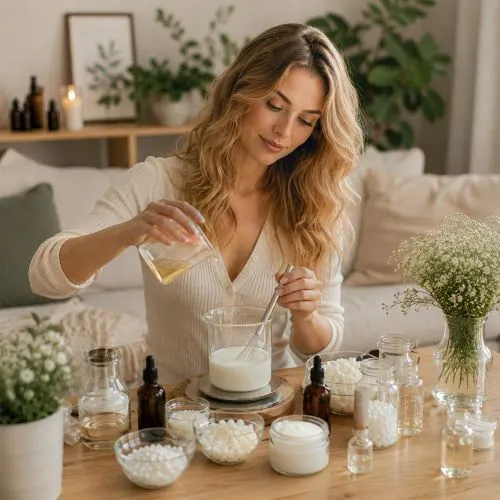
Since retinol is an active component, it should be introduced into your routine gradually. Start by applying the product two times a week, only in the evening. If the skin reacts well without excessive redness or peeling, the frequency can be increased. Always apply the cream to dry skin after a shower as damp skin can absorb retinol too quickly, increasing the risk of irritation.
It is important to remember that retinol increases the photosensitivity of the skin. Even if you apply the cream only in the evening, be sure to use sunscreen on open areas of the body during the day. This will prevent the appearance of pigment spots and protect renewed cells from premature aging caused by ultraviolet light.
Storage Rules and Ensuring Formula Stability
A handcrafted cream with retinol and ceramides requires special storage conditions. An ideal place would be a refrigerator shelf or a very cool dark place. Low temperatures slow down the oxidation of oils and the breakdown of Vitamin A. Avoid storing the cream in the bathroom where high humidity and constant temperature fluctuations can destroy the emulsion structure.
The shelf life of such a product when using a high quality preservative is up to three months. Using airless dispensers is critical for preserving the properties of retinol, as each opening of a regular jar shortens the life of the active components. If the cream changes color to dark yellow or a rancid smell appears, this indicates the oxidation of ingredients, and the product should no longer be used. Following these rules guarantees safe and effective rejuvenation for your skin.


Cosmetic ingredients and professional formulation blog
This section features expert materials on modern cosmetic actives. We cover peptides, polynucleotides PDRN, different forms of hyaluronic acid, retinoids, ceramides and other key components.
Special focus is given to active stability, ingredient compatibility and correct incorporation into formulas. You will find practical guides on working with anti-age actives, moisturizing complexes and barrier repair ingredients.
We examine how to properly combine myorelaxants with peptides, common mistakes when using unstable vitamin C forms and ways to improve the performance of moisturizing actives.
Separate materials are dedicated to base oils, extracts, emulsifiers and supporting ingredients. This helps create stable and effective formulas for both professional and home cosmetics.
The blog regularly publishes reviews of trending actives, comparisons of similar ingredients and step-by-step formulation recommendations. The content is aimed at formulators, technologists and anyone seriously involved in creating cosmetic products.
Why this blog is useful
Here you will find practical data on eye area care actives, lifting systems and ingredients that improve skin firmness and tone. We rely on real formulation experience and address the actual challenges that arise during product development.
You can also explore materials on skin protection and repair, depigmentation and anti-inflammatory actives. This approach supports a more systematic selection of ingredients.
FAQ
What topics are covered most often
The blog focuses on peptides, PDRN, hyaluronic acid of different molecular weights, retinoids, ceramides and their compatibility rules.
Are there practical recommendations on how to incorporate actives
Yes, most articles include practical notes on pH stability, incorporation temperature and common formulation mistakes.
Is the content only for professionals
The materials are useful both for formulators and technologists and for those who create cosmetics for personal use and want to understand how modern ingredients work.
Where can I go directly to the ingredients
All key actives are collected in the Actives section, while base components are available in base oils and related categories.


