-
 DIY: Video master classes
-
 Aromatherapy
-
 Felting master classes
-
 Eating at home
-
 DIY cosmetics for children
-
 Cooking recipes
-
 Detergents, cleaning products with your own hands
-
 Soap making as a business
-
 Natural cosmetics. Raw materials for cosmetics and soap.
-
 Natural oils in cosmetics
-
 News
-
 Recipes for balms and conditioners
-
 Bath Bomb Recipes
-
 Cream recipes. Cream making.
-
 Lotion recipes. Gel recipes.
-
 Mask recipes
-
 Soap recipes. Base soap. Soap from scratch.
-
 Recipes for all occasions
-
 Natural shampoo recipes
-
 Healthy Nutrition Recipes
-
 Scrub recipes. Massage tiles. Ubtan
-
 DIY candles
-
 Reference materials, questions, tips
-
 Startup - soap production
-
 Hair care. Tips, recipes
-
 Facial skin care. Cleansers.
-
 Body care. Tips, recipes
-
 Photo Reviews
-
 Chocolate Handmade


Eye cream with caffeine and peptides
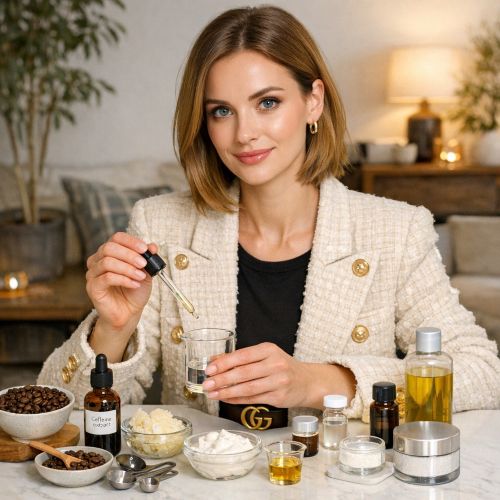 The delicate skin around the eyes is often the first area to show signs of fatigue stress and aging. Because this skin is significantly thinner than the rest of the face it requires specialized care that addresses both fluid retention and structural integrity. An eye cream combining caffeine and peptides serves as a dual action powerhouse. Caffeine acts as a vasoconstrictor to reduce puffiness and dark circles while peptides work as cellular messengers to stimulate collagen production and repair fine lines.
In this professional guide we explore the science behind these ingredients and provide three expert formulations for creating high performance eye treatments at home.
Beneficial Properties of Caffeine and Peptides in Periorbital Care
Caffeine is a world renowned alkaloid prized in dermatology for its ability to penetrate the skin barrier rapidly. It stimulates microcirculation which helps to drain the lymphatic system and reduce the appearance of bags under the eyes. Furthermore its antioxidant properties help protect the sensitive eye area from oxidative stress caused by blue light from screens and UV radiation.
Peptides are the building blocks of essential proteins like collagen and elastin. In eye care specific peptides such as palmitoyl pentapeptide or acetyl tetrapeptide target the basement membrane of the skin to improve elasticity. By incorporating peptides into your routine you are effectively telling your skin to repair itself from within. This synergy of immediate drainage from caffeine and long term structural repair from peptides makes this combination the gold standard for eye rejuvenation.
Advantages of Custom Formulations Over Industrial Eye Creams
Many mass market eye creams contain high amounts of water and cheap fillers like silicones or mineral oils that provide a temporary smoothing effect but do not offer long term biological benefits. Furthermore industrial products often use very low concentrations of expensive actives like peptides to keep production costs down.
By crafting your own eye cream you ensure that the active ingredients are present in clinically effective doses. You can avoid harsh synthetic fragrances and parabens that often irritate sensitive eyes. Customization also allows you to select high quality botanical carrier oils such as prickly pear seed or rosehip oil which are rich in natural vitamins and fatty acids that industrial brands often replace with synthetic esters.
Technical Nuances and Secrets of Preparing Caffeine Infused Emulsions
Preparing a stable cream with caffeine requires attention to solubility. Pure caffeine powder can be tricky because it may crystallize if the formula is not balanced or if it is cooled too quickly. To prevent a gritty texture it is essential to dissolve caffeine in the water phase while it is hot. Using a high shear mini mixer helps to ensure that the caffeine molecules are evenly dispersed throughout the emulsion.
Peptides are extremely heat sensitive. They are large delicate molecules that can denature and lose their efficacy if exposed to high temperatures for too long. For professional results peptides must always be added during the cool down phase once the emulsion has dropped below forty degrees Celsius. Maintaining a strict pH level between five point zero and six point zero is also vital for both the stability of the peptides and the comfort of the eye area.
Recipe One Cooling Morning Gel for Instant Drainage
This lightweight gel is designed to wake up the eyes and eliminate morning puffiness with a refreshing touch.
Composition Forty milliliters cornflower hydrosol One gram pure caffeine powder Two milliliters Haloxyl peptide complex Five milliliters aloe vera concentrate One gram xanthan gum soft Eco preservative
Preparation Step one Sanitize all glass beakers and tools with high grade alcohol and allow to air dry completely. Step two Heat the cornflower hydrosol in a water bath and stir in the caffeine powder until the liquid is perfectly clear. Step three Remove from heat and slowly sprinkle the xanthan gum over the surface whisking constantly to avoid clumps. Step four Allow the gel base to cool to room temperature while stirring occasionally to maintain a smooth texture. Step five Add the aloe vera concentrate to provide extra soothing and hydration. Step six Incorporate the Haloxyl peptide complex which specifically targets the pigments responsible for dark circles. Step seven Add the preservative check the pH level and transfer to a glass roller bottle for a cooling massage effect.
Recipe Two Intensive Night Repair Cream with Matrixyl
A rich nourishing cream that focuses on repairing deep wrinkles and restoring the skin barrier while you sleep.
Composition Thirty milliliters distilled water Ten milliliters prickly pear seed oil Five grams olive derived emulsifying wax One gram caffeine powder Three milliliters Matrixyl 3000 peptide solution Two milliliters panthenol Preservative
Preparation Step one Weigh all ingredients precisely using a digital scale and prepare a clean workspace. Step two Combine the distilled water and caffeine in one beaker and the prickly pear oil and emulsifying wax in another. Step three Heat both beakers in a water bath until the wax is melted and the caffeine is dissolved. Step four Pour the water phase into the oil phase and blend with a mini mixer for three minutes until a thick white cream forms. Step five Continue stirring manually as the cream cools to ensure a stable lamellar structure. Step six Once cool to the touch add the Matrixyl peptides and panthenol to support skin regeneration. Step seven Add the preservative and package the cream in a small amber glass jar to protect the actives from light.
Recipe Three Botanical Lift Mask for Tired Eyes
A high potency treatment mask to be used twice a week for an extra boost of firmness and radiance.
Composition Twenty milliliters rose hydrosol Five milliliters argan oil Four grams lecithin based emulsifier Two milliliters liquid caffeine extract Two milliliters Argireline peptide One gram vitamin E oil Preservative
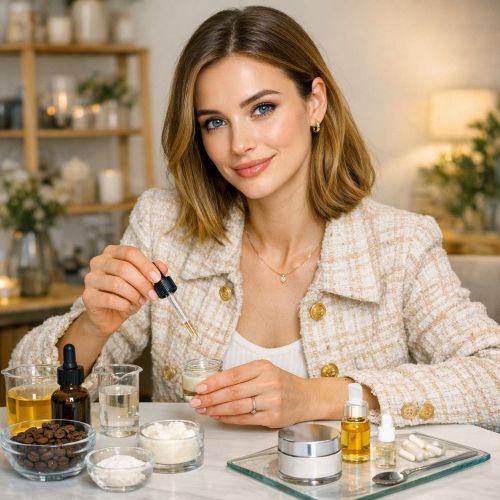
Preparation Step one Disinfect all equipment and containers before starting the formulation. Step two Mix the rose hydrosol and liquid caffeine extract and heat gently. Step three Blend the argan oil and lecithin emulsifier in a separate container until uniform. Step four Slowly combine the two phases and whisk until a silky fluid emulsion is achieved. Step five As the mixture cools add the vitamin E oil to provide antioxidant protection. Step six Fold in the Argireline peptide which is known for its ability to relax expression lines and mimic a botox effect. Step seven Add the preservative system and store in a cool dark place to maintain the potency of the botanical extracts.
Professional Recommendations for Application and Storage
To achieve maximum results with your caffeine and peptide eye cream application technique is key. Always use your ring finger to apply the product as it has the lightest touch. Pat the cream gently along the orbital bone starting from the inner corner and moving outward. Avoid applying product too close to the lash line as the cream will naturally migrate toward the eyes through capillary action.
For products containing caffeine storing them in the refrigerator enhances the vasoconstrictive effect providing an immediate cooling sensation that helps reduce swelling. Creams with peptides should always be kept away from direct sunlight and heat sources as this can cause the proteins to break down.
The shelf life of your handmade eye cream with a professional preservative is typically three months. If you notice any change in color or smell discard the product immediately. Always use a clean spatula to remove cream from a jar to prevent bacterial contamination. Consistent use both morning and night will yield the most significant improvements in skin texture and brightness over a period of four to six weeks.


Cosmetic ingredients and professional formulation blog
This section features expert materials on modern cosmetic actives. We cover peptides, polynucleotides PDRN, different forms of hyaluronic acid, retinoids, ceramides and other key components.
Special focus is given to active stability, ingredient compatibility and correct incorporation into formulas. You will find practical guides on working with anti-age actives, moisturizing complexes and barrier repair ingredients.
We examine how to properly combine myorelaxants with peptides, common mistakes when using unstable vitamin C forms and ways to improve the performance of moisturizing actives.
Separate materials are dedicated to base oils, extracts, emulsifiers and supporting ingredients. This helps create stable and effective formulas for both professional and home cosmetics.
The blog regularly publishes reviews of trending actives, comparisons of similar ingredients and step-by-step formulation recommendations. The content is aimed at formulators, technologists and anyone seriously involved in creating cosmetic products.
Why this blog is useful
Here you will find practical data on eye area care actives, lifting systems and ingredients that improve skin firmness and tone. We rely on real formulation experience and address the actual challenges that arise during product development.
You can also explore materials on skin protection and repair, depigmentation and anti-inflammatory actives. This approach supports a more systematic selection of ingredients.
FAQ
What topics are covered most often
The blog focuses on peptides, PDRN, hyaluronic acid of different molecular weights, retinoids, ceramides and their compatibility rules.
Are there practical recommendations on how to incorporate actives
Yes, most articles include practical notes on pH stability, incorporation temperature and common formulation mistakes.
Is the content only for professionals
The materials are useful both for formulators and technologists and for those who create cosmetics for personal use and want to understand how modern ingredients work.
Where can I go directly to the ingredients
All key actives are collected in the Actives section, while base components are available in base oils and related categories.



