-
 DIY: Video master classes
-
 Aromatherapy
-
 Felting master classes
-
 Eating at home
-
 DIY cosmetics for children
-
 Cooking recipes
-
 Detergents, cleaning products with your own hands
-
 Soap making as a business
-
 Natural cosmetics. Raw materials for cosmetics and soap.
-
 Natural oils in cosmetics
-
 News
-
 Recipes for balms and conditioners
-
 Bath Bomb Recipes
-
 Cream recipes. Cream making.
-
 Lotion recipes. Gel recipes.
-
 Mask recipes
-
 Soap recipes. Base soap. Soap from scratch.
-
 Recipes for all occasions
-
 Natural shampoo recipes
-
 Healthy Nutrition Recipes
-
 Scrub recipes. Massage tiles. Ubtan
-
 DIY candles
-
 Reference materials, questions, tips
-
 Startup - soap production
-
 Hair care. Tips, recipes
-
 Facial skin care. Cleansers.
-
 Body care. Tips, recipes
-
 Photo Reviews
-
 Chocolate Handmade


Cosmetics with probiotics and peptides: how to restore the skin's microbiome; a cream recipe for sensitive skin
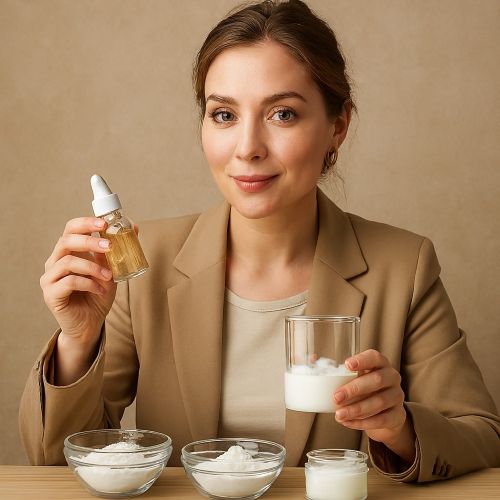 The health of your skin is intrinsically linked to the balance of its microbiome the trillions of microorganisms living on its surface. When this delicate ecosystem is disrupted by harsh cleansers pollution or stress it leads to sensitivity inflammation and accelerated aging. Probiotics and Peptides form a powerful alliance to restore this balance strengthen the skin barrier and deliver targeted anti-aging benefits.
This in-depth guide explores the synergy of these ingredients details the nuances of creating three unique DIY creams tailored for sensitive skin and explains why homemade formulas provide superior control over quality and concentration compared to industrial analogs. Optimized for readability and indexing this article is essential for sensitive skin care enthusiasts.
Probiotics and Peptides A Synergistic Duo
A healthy skin barrier requires two things: internal resilience provided by a balanced microbiome and structural integrity provided by strong collagen and elastin. Probiotics and peptides address both simultaneously.
The Role of Probiotics in Skin Health
Probiotics (often used as lysates or ferments) are non-living bacteria fragments or metabolic byproducts that communicate with skin cells. They:
-
1 Strengthen the Barrier: Probiotics encourage the skin to produce ceramides and other lipids crucial for a strong moisture barrier reducing Transepidermal Water Loss TEWL.
-
2 Balance the Flora: They help suppress the growth of harmful bacteria and create a balanced environment reducing the triggers for sensitivity and conditions like acne or eczema.
-
3 Reduce Inflammation: They calm the skin's immune response significantly reducing redness and reactivity often seen in sensitive skin types.
The Role of Peptides in Soothing and Repair
Certain peptides enhance the effects of probiotics by:
-
1 Anti-Inflammatory Action: Dipeptides and specific tetrapeptides can calm down irritated skin reducing the inflammatory response.
-
2 Barrier Repair: Signal peptides encourage the synthesis of structural proteins essential for physical barrier repair.
-
3 Anti-Aging: They maintain the skin's structural support providing anti-wrinkle benefits while the probiotics ensure a calm foundation.
Recipe 1 The Core Microbiome-Restoring Cream (Light Formula)
This foundational recipe focuses on a light texture suitable for daily use on sensitive and slightly reactive skin.
Ingredients Needed
-
1 Probiotic Complex lysate or ferment solution 5 ml
-
2 Anti-Inflammatory Peptide Dipeptide-2 or Acetyl Tetrapeptide-40 solution 3 ml
-
3 Emulsifying Wax such as Olivem 1000 or Polawax 5 grams
-
4 Carrier Oil Jojoba Oil or Squalane (Oil Phase) 15 ml
-
5 Hydrosol Chamomile or Rose (Water Phase) 75 ml
-
6 Humectant Vegetable Glycerin 2 ml
-
7 Preservative (Essential for water-based creams) 05 grams
Preparation Nuances
-
Heat Sensitivity: Probiotics and peptides are highly heat sensitive. They must be added to the cream in the cooling phase when the emulsion is below 40 degrees Celsius.
-
Emulsification: The oil and water phases must be heated separately to approximately 70 degrees Celsius before combining to ensure a stable, smooth emulsion.
Step-by-Step Instructions
-
Step one In a sterile beaker combine the Emulsifying Wax (5 grams) and the Carrier Oil (15 ml). Heat gently in a double boiler until fully melted (Oil Phase).
-
Step two In a separate sterile beaker heat the Hydrosol (75 ml) and Glycerin (2 ml) to the same temperature (Water Phase).
-
Step three Slowly pour the Water Phase into the Oil Phase while stirring vigorously with a stick blender or whisk for 3-5 minutes until a thick white cream emulsion forms.
-
Step four Remove the beaker from heat and allow the cream to cool, stirring occasionally, until the temperature drops below 40 degrees Celsius.
-
Step five Add the Probiotic Complex (5 ml) and the Anti-Inflammatory Peptide (3 ml) to the cooled cream.
-
Step six Incorporate the Preservative (05 grams) and stir thoroughly for two minutes.
-
Step seven Transfer the finished cream into a sterile airless pump bottle.
Recipe 2 The Intensive Barrier Repair Night Balm
A richer water-in-oil formula ideal for very dry or highly reactive sensitive skin needing intensive overnight repair.
Ingredients Needed
-
1 Probiotic Complex 6 ml
-
2 Structural Peptide Palmitoyl Tripeptide-5 Syn-Coll 3 ml
-
3 Barrier Lipids Shea Butter or Mango Butter 10 grams
-
4 Emollient Oil Oat Oil or Borage Oil 15 ml
-
5 Water Phase Distilled Water 25 ml
-
6 Emulsifier such as Lecithin or a high HLB emulsifier 3 grams
-
7 Preservative 05 grams
Preparation Nuances
-
Lipid Focus: This balm-like cream contains a higher ratio of oils and butters for maximum barrier protection.
-
Adding Actives: Probiotics and the structural peptide must be added to the fully formed cool emulsion to maintain their integrity.
Step-by-Step Instructions
-
Step one Combine Barrier Lipids (10 grams) Emollient Oil (15 ml) and Emulsifier (3 grams) in a double boiler. Heat until melted (Oil Phase).
-
Step two Heat the Distilled Water (25 ml) separately to the same temperature (Water Phase).
-
Step three Slowly add the Water Phase to the Oil Phase whisking continuously for several minutes until a rich thick balm forms.
-
Step four Remove from heat and continue stirring while cooling to below 40 degrees Celsius.
-
Step five Add the Probiotic Complex (6 ml) and the Structural Peptide (3 ml) stirring well.
-
Step six Add the Preservative (05 grams). Stir one final time to integrate all cooling phase actives.
-
Step seven Decant the rich balm into a wide-mouthed opaque jar.
Recipe 3 The Calming Peptide Gel Moisturizer
A light gel-cream formulation with minimal oil ideal for sensitive oily or combination skin.
Ingredients Needed
-
1 Probiotic Complex 7 ml
-
2 Soothing Peptide Dipeptide-2 3 ml
-
3 Humectant Hyaluronic Acid 1% solution 20 ml
-
4 Base Aloe Vera Juice 50 ml
-
5 Thickener Xanthan Gum or Carbomer 03 grams
-
6 Preservative 05 grams
Step-by-Step Instructions
-
Step one Slowly sprinkle the Thickener (03 grams) onto the surface of the Aloe Vera Juice (50 ml). Allow it to hydrate and gel for 15 minutes.
-
Step two Gently stir the gel base until it is smooth and lump-free.
-
Step three Add the Hyaluronic Acid solution (20 ml) and mix slowly.
-
Step four Introduce the Probiotic Complex (7 ml) and the Soothing Peptide (3 ml). Mix thoroughly.
-
Step five Add the Preservative (05 grams) ensuring full integration.
-
Step six Store the light gel moisturizer in an airless pump bottle.
Detailed Recommendations for Use and Storage
Usage Guide
-
Application: Apply the cream or gel (Recipes 1 2 or 3) twice daily morning and evening to clean skin after any water-based serums.
-
Avoid Over-Cleansing: To support the microbiome use gentle non-foaming cleansers and avoid harsh exfoliation or excessive stripping which compromises the barrier.
-
Sun Protection: Always use a broad-spectrum mineral SPF during the day as sensitive skin needs extra protection.
Storage and Shelf Life
-
Container: Strictly use opaque airless pump bottles or dark glass jars for all creams containing probiotics and peptides. Exposure to light and air dramatically accelerates degradation.
-
Temperature: Store all finished creams in a cool dark place. Refrigeration (4-8 degrees Celsius) is highly recommended for maximizing the stability and potency of the probiotic and peptide actives.
-
Shelf Life: Properly formulated and refrigerated DIY creams should be used within 2-3 months due to the sensitive nature of the active ingredients. Always discard the product if the emulsion separates or the scent changes.
-
Sterility: Maintain impeccable sterility during preparation as contamination can quickly destroy the delicate balance of the probiotic complex.
Advantages Over Industrial Analogs
Formulating your own probiotic and peptide cream for sensitive skin offers critical advantages over mass-produced options:
-
Guaranteed Active Concentration: Commercial sensitive skin creams often use minimal concentrations of expensive probiotic lysates and peptides for cost efficiency. You can ensure the inclusion of clinically effective therapeutic levels necessary for genuine barrier and microbiome restoration.
-
Elimination of Irritants: You exclude common sensitizing agents like synthetic fragrances harsh alcohols strong preservatives and abrasive colorants which are frequently found even in "sensitive" commercial formulas.
-
Customization for Barrier Needs: You can tailor the lipid ratio (e.g. using more Shea Butter and Oat Oil in Recipe 2) to perfectly match your specific level of dryness and barrier compromise unlike generic formulations.
-
Cost Efficiency: While the raw probiotic and peptide complexes are a significant initial investment the cost per ounce of your high-potency gentle custom cream is significantly lower than a high-end commercial product offering comparable concentrations.
By taking control of your formulation you provide sensitive skin with precisely the gentle high-potency ingredients it needs for lasting health and resilience.


Cosmetic ingredients and professional formulation blog
This section features expert materials on modern cosmetic actives. We cover peptides, polynucleotides PDRN, different forms of hyaluronic acid, retinoids, ceramides and other key components.
Special focus is given to active stability, ingredient compatibility and correct incorporation into formulas. You will find practical guides on working with anti-age actives, moisturizing complexes and barrier repair ingredients.
We examine how to properly combine myorelaxants with peptides, common mistakes when using unstable vitamin C forms and ways to improve the performance of moisturizing actives.
Separate materials are dedicated to base oils, extracts, emulsifiers and supporting ingredients. This helps create stable and effective formulas for both professional and home cosmetics.
The blog regularly publishes reviews of trending actives, comparisons of similar ingredients and step-by-step formulation recommendations. The content is aimed at formulators, technologists and anyone seriously involved in creating cosmetic products.
Why this blog is useful
Here you will find practical data on eye area care actives, lifting systems and ingredients that improve skin firmness and tone. We rely on real formulation experience and address the actual challenges that arise during product development.
You can also explore materials on skin protection and repair, depigmentation and anti-inflammatory actives. This approach supports a more systematic selection of ingredients.
FAQ
What topics are covered most often
The blog focuses on peptides, PDRN, hyaluronic acid of different molecular weights, retinoids, ceramides and their compatibility rules.
Are there practical recommendations on how to incorporate actives
Yes, most articles include practical notes on pH stability, incorporation temperature and common formulation mistakes.
Is the content only for professionals
The materials are useful both for formulators and technologists and for those who create cosmetics for personal use and want to understand how modern ingredients work.
Where can I go directly to the ingredients
All key actives are collected in the Actives section, while base components are available in base oils and related categories.



