-
 DIY: Video master classes
-
 Aromatherapy
-
 Felting master classes
-
 Eating at home
-
 DIY cosmetics for children
-
 Cooking recipes
-
 Detergents, cleaning products with your own hands
-
 Soap making as a business
-
 Natural cosmetics. Raw materials for cosmetics and soap.
-
 Natural oils in cosmetics
-
 News
-
 Recipes for balms and conditioners
-
 Bath Bomb Recipes
-
 Cream recipes. Cream making.
-
 Lotion recipes. Gel recipes.
-
 Mask recipes
-
 Soap recipes. Base soap. Soap from scratch.
-
 Recipes for all occasions
-
 Natural shampoo recipes
-
 Healthy Nutrition Recipes
-
 Scrub recipes. Massage tiles. Ubtan
-
 DIY candles
-
 Reference materials, questions, tips
-
 Startup - soap production
-
 Hair care. Tips, recipes
-
 Facial skin care. Cleansers.
-
 Body care. Tips, recipes
-
 Photo Reviews
-
 Chocolate Handmade


Cosmetics for problem skin with formulas that don't overload
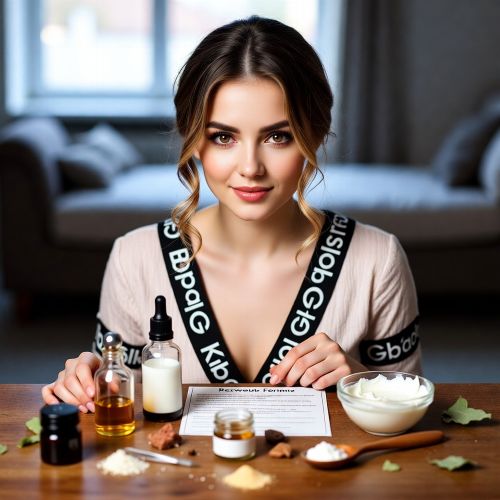 Cosmetics for problem skin with a formula without overload is a revolutionary approach to treating acne and inflammation without compromising the skin natural protective barrier. Many people suffering from breakouts fall into the trap of using aggressive drying agents that strip the skin of its essential oils. This leads to a vicious cycle where the skin produces even more sebum to compensate for the dryness resulting in more clogs and more acne. A professional formulation for problem skin focuses on physiological balance using lightweight aqueous bases and non comedogenic lipids that provide hydration without suffocating the pores.
In this comprehensive guide we will explore the science of lightweight formulation and provide three expert recipes designed to soothe inflammation and regulate oil production. You will learn how to select active ingredients that work in harmony with your skin biochemistry to achieve a clear healthy complexion without the heavy feeling of traditional creams.
The Philosophy of Lightweight Formulas for Acne Prone Skin
The primary goal of a formula without overload is to provide all the necessary nutrients while maintaining a low viscosity and high absorption rate. Problem skin often has a compromised lipid barrier which means it needs repair but it cannot handle heavy waxes or thick mineral oils. By using water based gels and light esters we can deliver high concentrations of active ingredients like niacinamide or zinc directly to the target area.
A professional approach avoids the use of heavy occlusives that trap heat and bacteria. Instead we focus on humectants like hyaluronic acid and aloe vera which pull moisture into the skin. This allows the pores to breathe while the active components work on reducing sebum oxidation and bacterial growth. This method ensures that the skin stays matte throughout the day while remaining deeply hydrated from within.
Advantages of Handmade Care Over Industrial Acne Products
Most industrial products for oily and problem skin rely heavily on alcohol and harsh surfactants to create a temporary matte effect. While these products may feel effective initially they often cause long term sensitivity and chronic dehydration. When you create your own cosmetics you have the power to eliminate these irritants and replace them with soothing botanical extracts and physiological pH balancers.
Furthermore handmade cosmetics allow for the exclusion of cheap synthetic fragrances and dyes which are major triggers for inflammatory responses in sensitive acne prone skin. By controlling every ingredient you ensure that your product is fresh and free from the heavy preservatives required for a three year shelf life in retail stores. This results in a cleaner more potent product that focuses entirely on healing the skin.
Preparation Nuances and Ingredient Compatibility
When preparing cosmetics for problem skin the most important factor is maintaining a sterile environment. Bacteria are the enemy of acne prone skin and any contamination during the mixing process can lead to further breakouts. Always disinfect your tools and containers with high grade alcohol before starting.
Ingredient compatibility is also vital. For example salicylic acid requires a specific pH range to be effective and should not be mixed with certain peptides that break down in acidic environments. Additionally when working with oil free formulas you must ensure that your thickeners like xanthan gum or carbomer are fully hydrated to avoid a sticky residue on the skin. Always introduce heat sensitive actives like vitamins or essential oils only after the base has cooled to a comfortable room temperature.
Recipe One Sebum Regulating Niacinamide Serum
This water based serum is designed to shrink pores and reduce the redness associated with active breakouts.
Ingredients Twenty milliliters of distilled water one gram of Niacinamide powder Vitamin B3 zero point five grams of Zinc PCA zero point one grams of xanthan gum and two drops of a broad spectrum preservative.
Step one Pour the distilled water into a clean glass beaker and sprinkle the xanthan gum over the surface. Step two Allow the gum to hydrate for twenty minutes until it forms a light clear gel then stir gently to remove any lumps. Step three Add the Niacinamide powder to the gel and stir until the powder is completely dissolved. Step four Introduce the Zinc PCA which helps control oil production and has antimicrobial properties. Step five Check the pH level to ensure it is around five point five which is ideal for the skin acid mantle. Step six Add the preservative stir thoroughly and transfer the serum into a glass bottle with a pump.
Recipe Two Lightweight Fluid with Prebiotics and Aloe
A soothing moisturizer that restores the skin microbiome and prevents the formation of new clogs.
Ingredients Twenty five milliliters of aloe vera juice five milliliters of squalane oil which is non comedogenic two grams of a lightweight emulsifier one gram of Inulin prebiotic and two drops of tea tree essential oil.
Step one Heat the aloe vera juice and the prebiotic powder in one container using a gentle water bath. Step two In a second container melt the squalane oil and the emulsifier until they are fully combined and transparent. Step three Slowly pour the oil mixture into the aloe juice while whisking continuously with a mini mixer. Step four Continue to stir the emulsion as it cools to ensure a stable and silky texture. Step five Once the temperature has dropped below forty degrees Celsius add the tea tree essential oil for its antibacterial benefits. Step six Transfer the fluid into a sterilized airless dispenser to maintain the freshness of the active ingredients.
Recipe Three Botanical Clarifying Toner with Willow Bark
An alcohol free toner that provides gentle exfoliation and calms irritated skin.
Ingredients Forty milliliters of lavender hydrosol five milliliters of willow bark extract a natural source of salicylic acid two milliliters of vegetable glycerin and two drops of preservative.
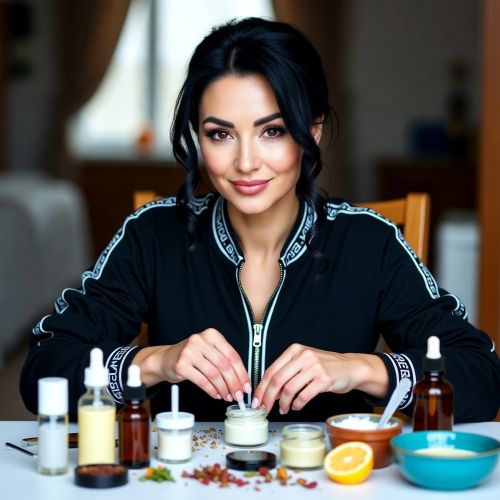
Step one Combine the lavender hydrosol and the vegetable glycerin in a glass beaker. Step two Add the willow bark extract which helps to clear out the pores and reduce inflammation. Step three Stir the mixture gently for two minutes to ensure the botanical extracts are evenly distributed. Step four Verify that the liquid is clear and free from any sediment. Step five Add the preservative to ensure the toner remains stable for several months. Step six Pour the toner into a spray bottle and use it after cleansing but before applying serums.
Recommendations for Use and Storage
For the best results with these formulas without overload consistency is key. Apply the Niacinamide serum in the morning to keep skin matte and the Prebiotic fluid at night to support skin repair. Avoid using heavy makeup over these products to allow the active ingredients to function correctly. Always apply products with clean hands or a clean cotton pad.
Storage is critical for the longevity of natural acne treatments. Because these formulas do not contain heavy synthetic stabilizers they should be kept in a cool dark place away from direct sunlight. The refrigerator is an excellent option as the cold temperature also helps to constrict blood vessels and reduce the swelling of active pimples. If you notice any change in smell or color discard the product immediately. Typically with a preservative these handmade items will stay effective for three months.
By following these professional guidelines you can create a customized skincare routine that addresses the root causes of problem skin while maintaining a light and comfortable feel on the face.


Cosmetic ingredients and professional formulation blog
This section features expert materials on modern cosmetic actives. We cover peptides, polynucleotides PDRN, different forms of hyaluronic acid, retinoids, ceramides and other key components.
Special focus is given to active stability, ingredient compatibility and correct incorporation into formulas. You will find practical guides on working with anti-age actives, moisturizing complexes and barrier repair ingredients.
We examine how to properly combine myorelaxants with peptides, common mistakes when using unstable vitamin C forms and ways to improve the performance of moisturizing actives.
Separate materials are dedicated to base oils, extracts, emulsifiers and supporting ingredients. This helps create stable and effective formulas for both professional and home cosmetics.
The blog regularly publishes reviews of trending actives, comparisons of similar ingredients and step-by-step formulation recommendations. The content is aimed at formulators, technologists and anyone seriously involved in creating cosmetic products.
Why this blog is useful
Here you will find practical data on eye area care actives, lifting systems and ingredients that improve skin firmness and tone. We rely on real formulation experience and address the actual challenges that arise during product development.
You can also explore materials on skin protection and repair, depigmentation and anti-inflammatory actives. This approach supports a more systematic selection of ingredients.
FAQ
What topics are covered most often
The blog focuses on peptides, PDRN, hyaluronic acid of different molecular weights, retinoids, ceramides and their compatibility rules.
Are there practical recommendations on how to incorporate actives
Yes, most articles include practical notes on pH stability, incorporation temperature and common formulation mistakes.
Is the content only for professionals
The materials are useful both for formulators and technologists and for those who create cosmetics for personal use and want to understand how modern ingredients work.
Where can I go directly to the ingredients
All key actives are collected in the Actives section, while base components are available in base oils and related categories.



