-
 DIY: Video master classes
-
 Aromatherapy
-
 Felting master classes
-
 Eating at home
-
 DIY cosmetics for children
-
 Cooking recipes
-
 Detergents, cleaning products with your own hands
-
 Soap making as a business
-
 Natural cosmetics. Raw materials for cosmetics and soap.
-
 Natural oils in cosmetics
-
 News
-
 Recipes for balms and conditioners
-
 Bath Bomb Recipes
-
 Cream recipes. Cream making.
-
 Lotion recipes. Gel recipes.
-
 Mask recipes
-
 Soap recipes. Base soap. Soap from scratch.
-
 Recipes for all occasions
-
 Natural shampoo recipes
-
 Healthy Nutrition Recipes
-
 Scrub recipes. Massage tiles. Ubtan
-
 DIY candles
-
 Reference materials, questions, tips
-
 Startup - soap production
-
 Hair care. Tips, recipes
-
 Facial skin care. Cleansers.
-
 Body care. Tips, recipes
-
 Photo Reviews
-
 Chocolate Handmade


How to use cosmetic acids without mistakes
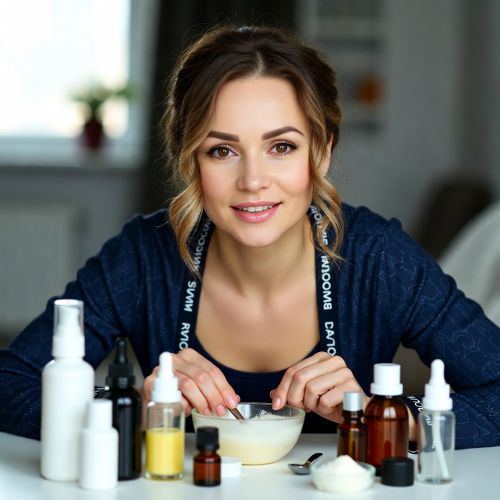 Cosmetic acids how to use them without errors is one of the most vital topics for achieving skin clarity, anti-aging results, and a refined texture. Acids, when used correctly, act as biological exfoliants that dissolve the cellular "glue" holding dead skin cells together. However, the line between a glowing complexion and a chemical burn is thin. Mistakes in pH calculation or improper concentration can lead to barrier damage and long-term sensitivity.
In this comprehensive article, we will delve into the science of alpha hydroxy acids, beta hydroxy acids, and polyhydroxy acids. You will learn the technical requirements for home formulation and explore three precise recipes designed to deliver professional results without the risks often associated with high-strength industrial peels.
Beneficial Properties and Physiological Action of Skincare Acids
The primary function of cosmetic acids is controlled exfoliation. AHA acids like glycolic or lactic acid are water-soluble and target the surface layers to improve hydration and fade pigmentation. BHA, specifically salicylic acid, is oil-soluble, allowing it to penetrate deep into the pores to dissolve sebum and prevent acne. PHA acids, such as gluconolactone, have larger molecules that exfoliate gently while acting as powerful humectants for sensitive skin.
By utilizing these acids, you stimulate the dermis to produce more collagen and elastin. This process not only smooths fine lines but also ensures that the skin barrier remains thick and resilient. When formulated at the correct pH, these acids also help maintain the acidic mantle of the skin, which is the first line of defense against pathogenic bacteria and environmental pollutants.
Advantages of Handmade Acid Formulations Over Industrial Analogs
Industrial acid products often prioritize shelf stability over physiological efficacy. Many commercial toners contain high percentages of denatured alcohol to keep the acids in solution, which can cause chronic inflammation. In a handmade formulation, you can use botanical hydrosols and soothing vegetable glycerin as a base, providing the skin with comfort while the acids perform their work.
Another major advantage is the control over the free acid value. The effectiveness of an acid is determined by the pH of the final product. Many mass-market brands increase the pH significantly to make the product "foolproof," which often renders the acid inactive. By formulating at home, you can precisely adjust the pH to three point five or four point zero, ensuring that the acid remains biologically active and capable of delivering visible results.
Technical Nuances of Acid Preparation and Safety Rules
Formulating with acids requires precision and the right tools. You must use a digital scale with a precision of zero point zero one grams. Even a slight overdose of an acid can drastically lower the pH beyond the safe limit for human skin. Additionally, different acids have different solubility requirements. Salicylic acid needs a solvent like alcohol or propanediol, while lactic acid is easily incorporated into water.
Always measure the final pH of your product using a digital pH meter. If the solution is too acidic, you must buffer it using a small amount of sodium bicarbonate or L-arginine. Furthermore, never prepare acid-based cosmetics in metal containers, as the low pH can cause a chemical reaction with the metal, contaminating your product with harmful ions. Use only glass or high-quality heat-resistant plastic lab equipment.
Recipe One Gentle Daily Mandelic Acid Toner
Mandelic acid has a larger molecular size, making it the perfect choice for beginners or those with reactive skin who want to avoid the stinging sensation of glycolic acid.
Composition Eighty milliliters lavender hydrosol Five milliliters mandelic acid ten percent solution Five milliliters aloe vera gel concentrate Seven milliliters distilled water Three drops broad spectrum preservative
Preparation Step one Sanitize all equipment and glass beakers with seventy percent isopropyl alcohol. Step two Combine the lavender hydrosol and distilled water in the main beaker. Step three Slowly add the mandelic acid solution while stirring continuously with a glass rod. Step four Incorporate the aloe vera gel concentrate to provide a soothing buffer for the skin. Step five Use a pH meter to ensure the final solution is between three point eight and four point zero. Step six Add the preservative, stir for two minutes to ensure even distribution, and pour into an opaque glass bottle.
Recipe Two BHA Purifying Serum for Acne Prone Skin
This oil-soluble serum targets blackheads and congested pores by utilizing the deep-cleaning properties of salicylic acid.
Composition Forty milliliters distilled water Zero point eight grams salicylic acid powder Five milliliters propanediol or ethyl alcohol as a solvent Three milliliters vegetable glycerin One milliliter panthenol provitamin B5 Preservative
Preparation Step one Place the salicylic acid powder in a small glass beaker and add the propanediol. Step two Stir the mixture until the powder is completely dissolved and the liquid is transparent. Step three In a separate beaker, combine the distilled water, glycerin, and panthenol. Step four Very slowly pour the dissolved acid solution into the water phase while whisking rapidly to prevent the acid from precipitating out of the solution. Step five Check that the pH is approximately three point five for maximum pore-clearing efficacy. Step six Add the preservative and transfer the serum into a bottle with a glass pipette.
Recipe Three PHA Renewal Mask for Sensitive Skin
A hydrating and exfoliating mask that uses gluconolactone to provide a gentle "glow" effect without the risk of redness or peeling.
Composition Thirty milliliters rose hydrosol One gram gluconolactone powder Ten milliliters aloe vera gel One gram niacinamide vitamin B3 Preservative
Preparation Step one Dissolve the gluconolactone powder in the rose hydrosol at room temperature until no crystals are visible. Step two Add the niacinamide powder to the solution and stir until fully integrated. Step three Blend in the aloe vera gel to create a gel-like mask consistency that adheres to the skin. Step four Allow the mixture to rest for fifteen minutes to ensure the pH has stabilized. Step five Adjust the pH if necessary to ensure it stays within the four point zero range. Step six Incorporate the preservative and store the mask in the refrigerator for a cooling and soothing application.
Professional Recommendations for Application and Usage
To use cosmetic acids without errors, you must introduce them gradually. Start by using your acid product once every three days and observe how your skin reacts. Always apply acid-based products to a dry face after cleansing; applying them to damp skin can increase penetration too quickly and lead to irritation. Acids should be used exclusively in your evening routine to avoid sun-induced damage.
The most critical rule of acid use is the daily application of a broad-spectrum SPF 30 or 50 sunscreen. Acids increase photo-sensitivity by removing the protective layer of dead cells, making your skin more vulnerable to UV rays. If you experience persistent redness, stinging, or flaking that lasts longer than a few minutes, reduce the frequency of use and focus on barrier-repairing ingredients like ceramides and cholesterol.
Storage and Maintenance of Handmade Acid Cosmetics
Handmade acid products are generally stable due to their low pH environment, which naturally inhibits the growth of many bacteria. However, light and heat can still cause the active ingredients to degrade. Store your toners and serums in a cool, dark place, away from the humidity of the bathroom. Opaque or amber glass is the best choice for packaging to protect the formula from UV light.
The shelf life of these handmade acid products is typically three months when stored correctly. Always label your bottles with the date of manufacture and the specific concentration of the acid. If the product changes color, develops a cloudy appearance, or the smell changes significantly, it is time to discard it and prepare a fresh batch. Maintaining the purity and freshness of your acid formulations is the key to achieving professional-level results at home safely.


Cosmetic ingredients and professional formulation blog
This section features expert materials on modern cosmetic actives. We cover peptides, polynucleotides PDRN, different forms of hyaluronic acid, retinoids, ceramides and other key components.
Special focus is given to active stability, ingredient compatibility and correct incorporation into formulas. You will find practical guides on working with anti-age actives, moisturizing complexes and barrier repair ingredients.
We examine how to properly combine myorelaxants with peptides, common mistakes when using unstable vitamin C forms and ways to improve the performance of moisturizing actives.
Separate materials are dedicated to base oils, extracts, emulsifiers and supporting ingredients. This helps create stable and effective formulas for both professional and home cosmetics.
The blog regularly publishes reviews of trending actives, comparisons of similar ingredients and step-by-step formulation recommendations. The content is aimed at formulators, technologists and anyone seriously involved in creating cosmetic products.
Why this blog is useful
Here you will find practical data on eye area care actives, lifting systems and ingredients that improve skin firmness and tone. We rely on real formulation experience and address the actual challenges that arise during product development.
You can also explore materials on skin protection and repair, depigmentation and anti-inflammatory actives. This approach supports a more systematic selection of ingredients.
FAQ
What topics are covered most often
The blog focuses on peptides, PDRN, hyaluronic acid of different molecular weights, retinoids, ceramides and their compatibility rules.
Are there practical recommendations on how to incorporate actives
Yes, most articles include practical notes on pH stability, incorporation temperature and common formulation mistakes.
Is the content only for professionals
The materials are useful both for formulators and technologists and for those who create cosmetics for personal use and want to understand how modern ingredients work.
Where can I go directly to the ingredients
All key actives are collected in the Actives section, while base components are available in base oils and related categories.



