-
 DIY: Video master classes
-
 Aromatherapy
-
 Felting master classes
-
 Eating at home
-
 DIY cosmetics for children
-
 Cooking recipes
-
 Detergents, cleaning products with your own hands
-
 Soap making as a business
-
 Natural cosmetics. Raw materials for cosmetics and soap.
-
 Natural oils in cosmetics
-
 News
News
-
 Recipes for balms and conditioners
-
 Bath Bomb Recipes
-
 Cream recipes. Cream making.
-
 Lotion recipes. Gel recipes.
-
 Mask recipes
-
 Soap recipes. Base soap. Soap from scratch.
-
 Recipes for all occasions
-
 Natural shampoo recipes
-
 Healthy Nutrition Recipes
-
 Scrub recipes. Massage tiles. Ubtan
-
 DIY candles
-
 Reference materials, questions, tips
-
 Startup - soap production
-
 Hair care. Tips, recipes
-
 Facial skin care. Cleansers.
-
 Body care. Tips, recipes
-
 Photo Reviews
-
 Chocolate Handmade


Korean vs. European Peptide Serums: What's the Real Difference in Formula Approaches
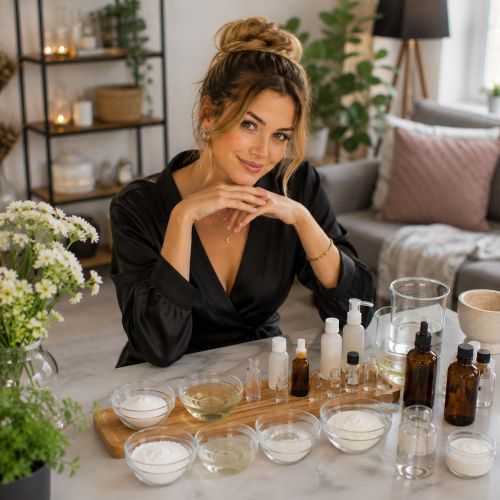 Comparing Asian and European approaches to peptide serum formulation reveals two fundamentally different philosophies of skin restoration. The Korean cosmetic philosophy is rooted in multi-layered hydration, skin barrier maintenance, and gentle, continuous tissue stimulation. The European approach focuses on targeted, high-intensity intervention using maximum concentrations of pure active peptides to achieve rapid, targeted clinical outcomes.
In Korean formulations, peptides work synergistically within a rich complex of soothing extracts, fermented filtrates, and humectants. The primary goal is preventing micro-inflammation, which accelerates skin aging. European serums feature streamlined, highly concentrated formulas where the peptide acts as the primary hero ingredient, supported by minimal excipients designed strictly to enhance penetration and stability.
Understanding these structural differences allows formulators to create custom products that combine the best aspects of both paradigms: the high targeted potency of European actives and the restorative, soothing base characteristic of Asian formulation standards.
Working Concentrations Solubilization Nuances and Temperature Rules
Formulating high-performance peptide serums requires strict adherence to technical parameter guidelines regarding active dosing, temperature control, and pH levels.
European formulation protocols typically utilize high-potency single peptide solutions at concentrations ranging between two percent and five percent. Korean formulations frequently utilize multi-peptide complexes where the combined active phase ranges from five percent to ten percent, distributed across multiple complementary peptide chains at lower individual dosages.
Peptides are heat-sensitive biological molecules. Exposing peptide compounds to temperatures above forty degrees Celsius causes irreversible thermal denaturation of their amino acid structures, rendering them biologically inactive. Active peptides must always be incorporated during the cool-down phase when the liquid base drops below thirty-five degrees Celsius. The optimal pH range for signaling peptides and neurotransmitter-inhibiting peptides is between five point zero and six point five, which maintains chemical stability and skin compatibility.
Active Ingredient Compatibility Matrix and Formulation Synergy
Achieving optimal performance from peptide serums requires careful selection of complementary raw materials. Peptides demonstrate excellent compatibility with niacinamide, hyaluronic acid, panthenol, allantoine, and ceramide solutions. Niacinamide strengthens barrier function and enhances dermal microcirculation, aiding active absorption, while hyaluronic acid supplies essential hydration to support cellular activity.
Exposing peptides to strong acidic environments below pH four point zero, such as concentrated glycolic or lactic acid solutions, must be avoided. Low pH levels hydrolyze peptide bonds, breaking down active chains into ineffective fragments. Additionally, high concentrations of ethyl alcohol over ten percent can cause protein precipitation, reducing overall formula potency.
Packaging Imperatives and Preservation Standards
Bio-active peptides are highly vulnerable to degradation caused by direct sunlight, ultraviolet radiation, and atmospheric oxygen exposure.
Finished custom serums must be packaged in light-blocking opaque airless pump bottles or dark glass dropper containers. Airless pump systems protect liquid formulations from ambient oxygen ingress, extending shelf life and preserving delicate peptide structures without requiring harsh synthetic preservation systems.
Superiority of Custom Formulas Over Industrial Analogs
Many mass-market commercial peptide serums, whether Korean or European, contain excessive synthetic silicones, heavy thickeners, and artificial fragrances to create an immediate superficial feel. The actual concentration of active peptides in commercial options is frequently minimal, added primarily to support marketing claims rather than clinical efficacy.
Custom compounding allows formulators to integrate full clinical dosages of pure peptides into clean, bio-available bases made from organic botanical hydrosols and natural humectants. Eliminating unnecessary fillers ensures maximum active absorption, zero pore clogging, and superior long-term skin rejuvenation.
Sanitation Standards and Equipment Sterilization Protocols
Compounding water-based cosmetics containing protein structures demands flawless sanitation to prevent microbial contamination and product spoilage.
Sanitize the preparation area with a broad-spectrum surface disinfectant before starting. Wash hands with antibacterial soap and wear sterile gloves. All glass beakers, stirring rods, digital scales, mini whisks, and storage containers must be washed, rinsed with distilled water, and sprayed thoroughly with a seventy percent isopropyl alcohol solution. Allow all equipment to air-dry completely on clean paper towels before measuring ingredients.
Recipe First European Style Targeted Matrixyl Rejuvenating Serum
A high-potency targeted anti-aging serum engineered to stimulate structural collagen synthesis and reduce wrinkle depth.
Composition thirty-five milliliters organic rose hydrosol three milliliters Matrixyl peptide complex one milliliter provitamin B5 panthenol one gram niacinamide powder half a gram low-molecular-weight hyaluronic acid powder two milliliters vegetable glycerin one milliliter broad-spectrum eco preservative
Preparation Step first Sanitize all glass beakers, glass stirring rods, precision scales, and an opaque airless pump bottle with isopropyl alcohol. Step second Measure thirty-five milliliters of organic rose hydrosol into the primary glass beaker, then add two milliliters of vegetable glycerin, one milliliter of panthenol, and one gram of niacinamide powder. Step third Stir the solution with a glass rod until the niacinamide powder is completely dissolved. Step fourth Sprinkle half a gram of low-molecular-weight hyaluronic acid powder across the liquid surface and leave undisturbed for twenty minutes to form a clear gel base. Step fifth Verify the liquid temperature is below thirty-five degrees Celsius, then stir in three milliliters of Matrixyl peptide complex. Step sixth Incorporate one milliliter of broad-spectrum eco preservative, stir continuously for two minutes, and confirm the pH measures five point five. Step seventh Decant the completed serum into your sanitized airless pump bottle and seal securely.
Recipe Second Korean Style Soothing Multi-Peptide Barrier Fluid
A multi-layered hydration fluid featuring Centella hydrosol and soothing peptides to calm inflammation and reinforce lipid barrier health.
Composition thirty-four milliliters organic Centella asiatica hydrosol two milliliters calming multi-peptide complex three milliliters potassium azeloyl diglycinate liquid two milliliters propanediol half a gram low-molecular-weight hyaluronic acid powder one gram betaine powder one milliliter broad-spectrum eco preservative
Preparation Step first Disinfect all glass beakers, stirring rods, precision scales, and an airless pump container using isopropyl alcohol. Step second Measure thirty-four milliliters of organic Centella asiatica hydrosol into a glass beaker, adding two milliliters of propanediol, three milliliters of potassium azeloyl diglycinate, and one gram of betaine powder. Step third Mix thoroughly with a glass rod until all dry crystals dissolve into a uniform solution. Step fourth Sprinkle half a gram of low-molecular-weight hyaluronic acid powder over the surface and wait fifteen minutes for complete hydration into a smooth gel. Step fifth Confirm the solution temperature is below thirty-five degrees Celsius, then add two milliliters of calming multi-peptide complex. Step sixth Add one milliliter of broad-spectrum eco preservative, stir thoroughly for two minutes, and verify the pH sits at five point five. Step seventh Pour the fluid into your sanitized airless pump bottle and cap tightly.
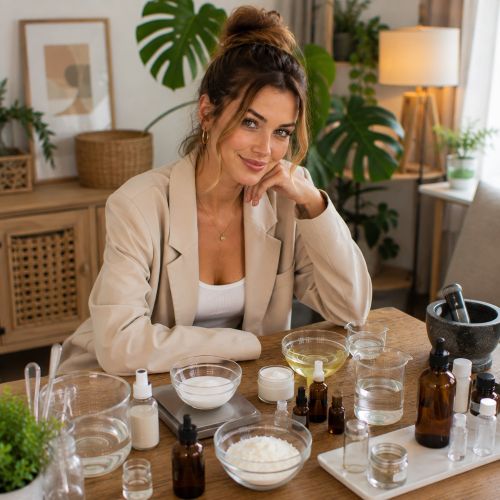
Recipe Third Hybrid Lifting Serum with Argireline and Centella Isolates
A balanced formulation combining European neurotransmitter-inhibiting peptides with a soothing Asian barrier repair base.
Composition thirty-five milliliters organic green tea hydrosol three milliliters Argireline peptide solution zero point two grams pure Madecassoside powder two milliliters vegetable glycerin half a gram low-molecular-weight hyaluronic acid powder one milliliter provitamin B5 panthenol one milliliter broad-spectrum eco preservative
Preparation Step first Thoroughly sanitize all glass beakers, stirring rod, measuring tools, and a dark glass dropper bottle with isopropyl alcohol. Step second Combine two milliliters of vegetable glycerin and five milliliters of organic green tea hydrosol in a heat-safe glass beaker. Step third Add zero point two grams of Madecassoside powder and warm gently in a water bath to forty degrees Celsius, stirring until dissolved. Step fourth Pour in the remaining thirty milliliters of green tea hydrosol and add one milliliter of provitamin B5 panthenol. Step fifth Sprinkle half a gram of low-molecular-weight hyaluronic acid powder across the top, wait fifteen minutes for gel formation, and ensure the temperature cools below thirty-five degrees Celsius. Step sixth Add three milliliters of Argireline peptide solution and one milliliter of broad-spectrum eco preservative, stirring thoroughly, and verify the pH measures five point five. Step seventh Transfer the hybrid serum into your sanitized dark glass dropper bottle.
Application Guidelines and Usage Recommendations
Peptide serums require consistent daily application over an extended period to achieve optimal cumulative anti-aging and regenerative results.
Apply peptide serums twice daily during morning and evening skincare routines onto clean, toned skin. Dispense two to three drops of serum onto clean fingertips and gently press into the face, neck, and décolleté along facial massage lines. When applying neurotransmitter-inhibiting peptides like Argireline, focus application on areas prone to expression lines, such as the forehead and eye contour. Lock in active ingredients with a light moisturizer or barrier cream. Visible improvements in skin density and smoothness typically appear after four to six weeks of daily use.
Storage Conditions and Product Preservation
Maintaining appropriate environmental storage conditions is critical to preserving peptide molecular structure and maintaining formula stability.
Store all finished peptide formulations in tightly sealed, light-blocking airless pump containers or dark glass bottles at stable temperatures between eight and fifteen degrees Celsius. Storing custom serums on a middle shelf in a skincare refrigerator or in a cool cabinet away from direct light provides an ideal environment. Avoid keeping custom cosmetics in warm, humid bathrooms. When prepared under strict sanitary conditions, these customized peptide serums maintain full potency for two to three months.


Cosmetic ingredients and professional formulation blog
This section features expert materials on modern cosmetic actives. We cover peptides, polynucleotides PDRN, different forms of hyaluronic acid, retinoids, ceramides and other key components.
Special focus is given to active stability, ingredient compatibility and correct incorporation into formulas. You will find practical guides on working with anti-age actives, moisturizing complexes and barrier repair ingredients.
We examine how to properly combine myorelaxants with peptides, common mistakes when using unstable vitamin C forms and ways to improve the performance of moisturizing actives.
Separate materials are dedicated to base oils, extracts, emulsifiers and supporting ingredients. This helps create stable and effective formulas for both professional and home cosmetics.
The blog regularly publishes reviews of trending actives, comparisons of similar ingredients and step-by-step formulation recommendations. The content is aimed at formulators, technologists and anyone seriously involved in creating cosmetic products.
Why this blog is useful
Here you will find practical data on eye area care actives, lifting systems and ingredients that improve skin firmness and tone. We rely on real formulation experience and address the actual challenges that arise during product development.
You can also explore materials on skin protection and repair, depigmentation and anti-inflammatory actives. This approach supports a more systematic selection of ingredients.
FAQ
What topics are covered most often
The blog focuses on peptides, PDRN, hyaluronic acid of different molecular weights, retinoids, ceramides and their compatibility rules.
Are there practical recommendations on how to incorporate actives
Yes, most articles include practical notes on pH stability, incorporation temperature and common formulation mistakes.
Is the content only for professionals
The materials are useful both for formulators and technologists and for those who create cosmetics for personal use and want to understand how modern ingredients work.
Where can I go directly to the ingredients
All key actives are collected in the Actives section, while base components are available in base oils and related categories.