-
 DIY: Video master classes
-
 Aromatherapy
-
 Felting master classes
-
 Eating at home
-
 DIY cosmetics for children
-
 Cooking recipes
-
 Detergents, cleaning products with your own hands
-
 Soap making as a business
-
 Natural cosmetics. Raw materials for cosmetics and soap.
-
 Natural oils in cosmetics
-
 News
-
 Recipes for balms and conditioners
-
 Bath Bomb Recipes
-
 Cream recipes. Cream making.
-
 Lotion recipes. Gel recipes.
-
 Mask recipes
-
 Soap recipes. Base soap. Soap from scratch.
-
 Recipes for all occasions
-
 Natural shampoo recipes
-
 Healthy Nutrition Recipes
-
 Scrub recipes. Massage tiles. Ubtan
-
 DIY candles
-
 Reference materials, questions, tips
-
 Startup - soap production
-
 Hair care. Tips, recipes
-
 Facial skin care. Cleansers.
-
 Body care. Tips, recipes
-
 Photo Reviews
-
 Chocolate Handmade


What active ingredients should not be mixed with copper peptides?
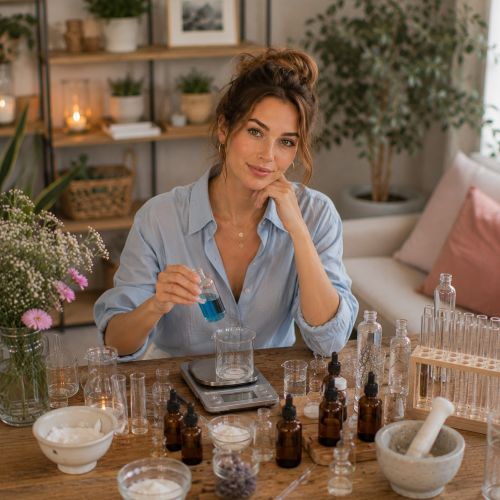 Copper peptides represent one of the most powerful, scientifically validated anti-aging and tissue-remodeling agents in modern cosmetic chemistry. These tripeptide molecules function as signal cellular messengers that stimulate fibroblast activity, accelerate the production of healthy type three collagen, and effectively repair a compromised skin barrier. However, copper peptides are chemically delicate structures. They are built from specific amino acid chains that form a coordination complex around a divalent copper ion.
When mixed with conflicting active cosmetic ingredients, this delicate chemical bond is instantly broken. The structural peptide chain undergoes rapid hydrolysis, leaving the active molecule completely neutralized and ineffective. Furthermore, the newly freed copper ions can rapidly oxidize on the skin surface, triggering localized oxidative stress, radical damage, and acute epidermal irritation.
Mastering the precise chemical rules of ingredient compatibility is vital when compounding custom skincare products with this advanced active.
Direct Chemical Antagonists High Conflict Skincare Actives to Avoid
The primary chemical adversary of copper peptides is an acidic environment. Direct exfoliating acids, such as glycolic, lactic, salicylic, and mandelic acids, lower the overall pH level of a cosmetic emulsion. In a low pH environment, the peptide complex undergoes immediate structural destabilization. The acid effectively tears the amino acid ring apart, causing the copper to precipitate completely out of the solution. For this exact reason, copper peptides must never be combined within the same recipe or application layer as pure, acidic L-ascorbic acid or Vitamin C. This combination triggers a mutual reduction reaction where the copper and Vitamin C cancel each other out, ruining both actives.
Another major group of conflicting components includes powerful chelating antioxidants, such as resveratrol, ferulic acid, and heavy alpha-lipoic acids. Chelating agents possess an incredibly high chemical affinity for metals; they will physically extract the copper ion directly out of its peptide cage.
Additionally, it is highly discouraged to introduce high percentages of pure retinoids alongside copper peptides within a single application step. This intense overlapping combination can easily overwhelm the cellular signaling pathways of the skin, resulting in an acute barrier disruption and severe contact dermatitis.
Why Custom Copper Peptide Formulations Excel Over Industrial Counterparts
The significant limitation of mass-market commercial anti-aging serums containing copper peptides is their reliance on cheap stabilizing acids or industrial preservatives to extend retail shelf life. Over months of sitting in hot warehouses, these chemical additives slowly degrade the fragile peptide bond long before the product ever reaches your skin. Furthermore, commercial manufacturers frequently use trace, purely marketing percentages of the copper active that are far too low to trigger genuine dermal regeneration.
By compounding your own custom hydrating serums and nourishing protective emulsions at home, you take complete control over the chemical environment of the product. You can strictly balance the pH level to a safe, skin-friendly, and peptide-stable range.
Moreover, you can utilize the pure, unadulterated blue peptide powder at its optimal clinical working percentage while combining it exclusively with synergistic, non-conflicting helpers like high-purity hyaluronic acid, amino acids, and soothing botanical distillates.
Technical Nuances of Blending and Activating Thermal Sensitive Peptides
Working with raw copper peptides requires extreme precision, cleanliness, and strict temperature management. This specialized active is highly sensitive to thermal degradation. It must never be introduced into a hot oil phase or a boiling water phase during the melting of solid plant waxes or emulsifiers. Subjecting copper peptides to high heat triggers immediate thermal denaturation of the fragile protein links. The active must only be introduced into a completely finished, pre-cooled emulsion or gel base that has reached a cool, comfortable room temperature.
To dissolve raw, dry copper peptide powder safely, use only pure distilled water or neutral botanical hydrosols that are completely free from synthetic or fruit-derived acids, such as premium cornflower or pure rose water.
All mixing and compounding steps must be performed exclusively inside sterilized glass or heavy porcelain vessels using a clean plastic or silicone spatula. Never use metal mixing spoons or wire whisks, as metals can trigger unwanted ion exchange reactions that alter the stability of your active peptide.
Recipe One The Blue Rose Hyaluronic Hydration Serum
A lightweight, soothing, deeply penetrating gel serum formulated to boost cellular moisture, accelerate tissue healing, and stimulate collagen synthesis using a completely safe, non-acidic matrix.
Composition Thirty milliliters pure rose hydrosol without acid preservatives Zero point three grams dry copper peptide powder Zero point five grams high molecular weight hyaluronic acid powder Two milliliters pure vegetable glycerin Two drops organic lavender essential oil
Preparation Step first Thoroughly sanitize your laboratory glass beaker, a glass stirring rod, and your final amber glass dropper bottle with seventy percent isopropyl alcohol and allow them to air dry. Step second Pour the pure room-temperature rose hydrosol directly into your clean glass beaker and sprinkle the high molecular weight hyaluronic acid powder evenly over the liquid surface. Step third Let the beaker sit completely undisturbed for thirty minutes to allow the hyaluronic crystals to fully hydrate and swell into a uniform gel texture. Step fourth In a separate tiny glass vial, dissolve the dry blue copper peptide powder into five drops of distilled water, stirring until a deep, clear cornflower-blue liquid forms. Step fifth Slowly pour your concentrated blue peptide solution into the clear hyaluronic acid gel base, stirring continuously with your glass rod. Step sixth Add the pure vegetable glycerin and the organic lavender essential oil to provide additional soothing properties and smooth skin glide. Step seventh Stir the complete mixture for one full minute until the entire gel takes on a beautiful, completely uniform pale blue hue, then transfer it into your amber bottle.
Recipe Two The Cornflower and Almond Peptide Barrier Emulsion
A velvety, skin-identical daily fluid cream designed to restore the protective lipid mantle, smooth fine expression lines, and improve overall skin elasticity.
Composition Twenty-five milliliters pure cornflower hydrosol Ten milliliters unrefined sweet almond oil Three grams plant-derived emulsifying wax flakes Zero point four grams raw copper peptide powder Two drops organic neroli essential oil
Preparation Step first Disinfect your two primary heat-resistant glass blending beakers, your cosmetic mini-mixer attachments, and a clean storage jar using an alcohol mist. Step second Combine the unrefined sweet almond oil and the plant-derived emulsifying wax flakes inside your first glass beaker to establish your lipid phase. Step third Measure the pure cornflower hydrosol into your second glass beaker to serve as the stable aqueous phase of your emulsion. Step fourth Place both beakers into a wide, shallow water bath over low heat, monitoring them carefully until the solid wax flakes liquefy completely into the oil. Step fifth Remove both vessels from the heat source and slowly stream the warm hydrosol into the oil phase while running your mini-mixer on high speed for two continuous minutes to lock the emulsion. Step sixth Set the white cream aside and let it cool down entirely to normal room temperature, stirring gently by hand with a plastic spatula to keep it smooth. Step seventh Once the cream is cool to the touch, add your raw copper peptide powder dissolved in a splash of water along with the neroli essential oil, blend with your mixer for thirty seconds until a light turquoise cream forms, and jar the product.
Recipe Three The Botanical Aloe and Glycine Dermal Repair Mask
An intensive weekly overnight treatment cream formulated to deliver critical amino acids directly to the dermis, minimize surface redness, and plump tired skin.
Composition Twenty milliliters pure organic aloe vera gel fluid Ten milliliters unrefined avocado oil One gram pure crystalline glycine amino acid powder Zero point three grams dry copper peptide powder Two drops precious frankincense essential oil
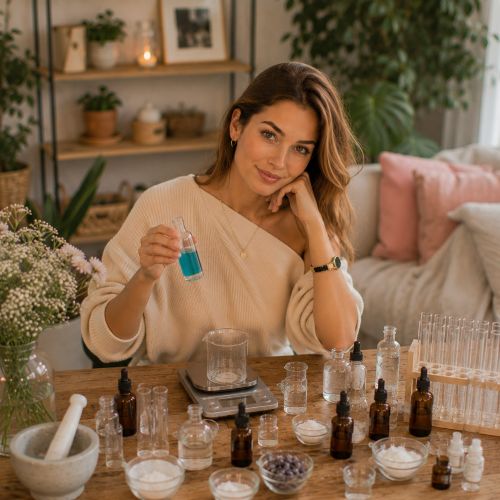
Preparation Step first Sanitize a non-porous porcelain compounding bowl, your measuring utensils, and a synthetic facial application brush with an antiseptic spray and let dry. Step second Place the pure organic aloe vera gel fluid into your porcelain bowl and stir in the crystalline glycine amino acid powder until the crystals dissolve. Step third Add the rich unrefined avocado oil drop by drop into the aloe gel, whisking manually with a silicone spatula until a smooth, light cream-gel texture forms. Step fourth In a small cup, dissolve the dry copper peptide powder with a few drops of water until it is fully liquefied without any remaining dry grains. Step fifth Incorporate the liquid blue copper peptide directly into the aloe and avocado mixture, blending thoroughly to distribute the active evenly. Step sixth Add the precious frankincense essential oil to provide deep aromatic relaxation benefits and further skin cell support. Step seventh Perform a final thorough stir for one minute until the mask base is a completely uniform, pastel-blue cream paste, then close the lid tightly.
Dermatological Guidelines for Correct Layering and Routine Timing
The therapeutic success of your custom copper peptide cosmetics depends entirely on how you organize your daily skincare steps. Copper peptides must always be applied to a face that has been completely and thoroughly cleansed. If you utilize an exfoliating face wash containing AHA or BHA acids, you must rinse your skin with plenty of lukewarm water and follow with a neutral, pH-balancing toner before applying your peptide serum. This step restores your skin to its natural physiological pH level, preventing the peptide from breaking down on contact.
Dispense a few drops of your blue serum or emulsion onto your clean fingertips and distribute it over your skin using light patting or pressing motions along the natural muscle lines of your face. Do not rub the product aggressively, as heavy friction can disrupt the delicate molecular structure.
If your standard skincare routine contains active retinoids or ascorbic acid, you must separate these conflicting ingredients by time of day. Use your Vitamin C or acid serums during your morning routine to secure antioxidant protection, and apply your custom copper peptide emulsion in the evening to optimize nighttime cellular repair. Run this intensive peptide routine consistently for two months, followed by a one-month break.
Rigorous Quality Control and Temperature Management Storage Rules
Because these handmade copper peptide formulations are crafted with pure plant waters, living aloe gel, and unrefined oils without any harsh chemical stabilizers, they require careful environmental control to maintain potency. Exposure to direct afternoon sunlight, high ambient room heat, or excessive humidity will cause the delicate amino acid links to break down rapidly, rendering the product useless. Always store your finished peptide serums and creams inside airtight amber glass bottles or opaque cosmetic containers that seal out ultraviolet light.
Keep your entire collection stored in a cool, dark environment, preferably on the middle shelf of a clean domestic refrigerator. Maintaining a stable, cool temperature preserves the peptide structure, slows the natural oxidation of your carrier oils, and prevents the growth of micro-organisms in the preservative-free water phase.
When compiled under strict sterile conditions, your custom serums will remain stable for one month, and your oil-based emulsions for two months in the refrigerator.
Always perform a sensory quality check before each application. The primary marker of copper peptide stability is its color. If your serum or cream suddenly loses its signature blue or turquoise tint and turns gray, yellow, or completely clear, it indicates that the peptide complex has broken down and freed the copper ions. Discontinue use of that batch immediately and compound a fresh, active portion to guarantee absolute skin safety.


Cosmetic ingredients and professional formulation blog
This section features expert materials on modern cosmetic actives. We cover peptides, polynucleotides PDRN, different forms of hyaluronic acid, retinoids, ceramides and other key components.
Special focus is given to active stability, ingredient compatibility and correct incorporation into formulas. You will find practical guides on working with anti-age actives, moisturizing complexes and barrier repair ingredients.
We examine how to properly combine myorelaxants with peptides, common mistakes when using unstable vitamin C forms and ways to improve the performance of moisturizing actives.
Separate materials are dedicated to base oils, extracts, emulsifiers and supporting ingredients. This helps create stable and effective formulas for both professional and home cosmetics.
The blog regularly publishes reviews of trending actives, comparisons of similar ingredients and step-by-step formulation recommendations. The content is aimed at formulators, technologists and anyone seriously involved in creating cosmetic products.
Why this blog is useful
Here you will find practical data on eye area care actives, lifting systems and ingredients that improve skin firmness and tone. We rely on real formulation experience and address the actual challenges that arise during product development.
You can also explore materials on skin protection and repair, depigmentation and anti-inflammatory actives. This approach supports a more systematic selection of ingredients.
FAQ
What topics are covered most often
The blog focuses on peptides, PDRN, hyaluronic acid of different molecular weights, retinoids, ceramides and their compatibility rules.
Are there practical recommendations on how to incorporate actives
Yes, most articles include practical notes on pH stability, incorporation temperature and common formulation mistakes.
Is the content only for professionals
The materials are useful both for formulators and technologists and for those who create cosmetics for personal use and want to understand how modern ingredients work.
Where can I go directly to the ingredients
All key actives are collected in the Actives section, while base components are available in base oils and related categories.



