-
 DIY: Video master classes
-
 Aromatherapy
-
 Felting master classes
-
 Eating at home
-
 DIY cosmetics for children
-
 Cooking recipes
-
 Detergents, cleaning products with your own hands
-
 Soap making as a business
-
 Natural cosmetics. Raw materials for cosmetics and soap.
-
 Natural oils in cosmetics
-
 News
-
 Recipes for balms and conditioners
-
 Bath Bomb Recipes
-
 Cream recipes. Cream making.
-
 Lotion recipes. Gel recipes.
-
 Mask recipes
-
 Soap recipes. Base soap. Soap from scratch.
-
 Recipes for all occasions
-
 Natural shampoo recipes
-
 Healthy Nutrition Recipes
-
 Scrub recipes. Massage tiles. Ubtan
-
 DIY candles
-
 Reference materials, questions, tips
-
 Startup - soap production
-
 Hair care. Tips, recipes
-
 Facial skin care. Cleansers.
-
 Body care. Tips, recipes
-
 Photo Reviews
-
 Chocolate Handmade


How to create a universal base cream for different assets
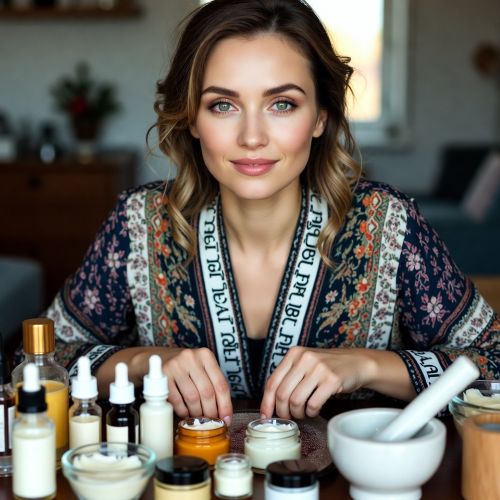 How to create a universal base cream for different active ingredients is a fundamental skill for anyone interested in advanced home cosmetology. A universal base cream, often referred to in professional circles as a cream chassis, serves as a stable physiological foundation designed to accept various additives without collapsing. By creating a high-quality neutral base, you gain the ability to customize your skincare daily, adding peptides, vitamins, or botanical extracts depending on your skin current needs.
In this comprehensive guide, we will explore the science of stable emulsions and provide three distinct recipes for universal bases. You will learn the technical nuances of ensuring compatibility between the base and various actives, allowing you to produce professional-grade cosmetics in your own laboratory.
Beneficial Properties and Role of a Base Cream in Skincare
The primary function of a universal base cream is to act as a delivery system for potent active ingredients. A well-formulated base must be non-reactive and have a physiological pH. Its beneficial properties lie in its ability to strengthen the skin barrier while providing a smooth texture that facilitates the even distribution of concentrated additives. Because the base is neutral, it minimizes the risk of irritation, making it suitable for even the most sensitive skin types.
Using a universal chassis allows for maximum flexibility in your beauty routine. Instead of purchasing ten different products, you can maintain one stable base and introduce specific water-soluble or oil-soluble actives as needed. This approach ensures that the active ingredients remain fresh and potent, as they are often added shortly before application or in small batches.
Advantages of Handmade Base Creams Over Industrial Analogs
Industrial base creams often contain a high percentage of mineral oils, petrolatum, and synthetic silicones. While these ingredients provide a temporary feeling of smoothness, they do not integrate into the skin lipid barrier and can often hinder the absorption of expensive active ingredients. Handmade bases utilize natural triglycerides, squalane, and plant-derived emulsifiers that the skin recognizes as its own lipids, significantly increasing the bioavailability of everything you add to the cream.
Furthermore, commercial bases are loaded with aggressive preservatives and fragrance masking agents to ensure a shelf life of several years. These chemicals often interfere with delicate actives like Vitamin C or certain peptides. By formulating your own universal base, you eliminate unnecessary chemical load and create a clean environment where your high-end actives can perform at their peak efficiency. You also have the advantage of adjusting the thickness and richness of the base to suit your specific climate and skin type.
Technical Nuances of Preparation for Stable Emulsions
Creating a stable universal base requires strict adherence to temperature and mixing protocols. The most critical nuance is ensuring that both the oil phase and the water phase reach the exact same temperature before they are combined. This prevents the emulsifier from experiencing a thermal shock, which is the leading cause of cream separation over time. Use a digital thermometer to monitor both phases constantly.
Another nuance involves the choice of emulsifier. For a universal base, non-ionic emulsifiers are preferred because they are the most compatible with a wide range of electrolytes and acidic actives. When mixing, start with high-speed agitation to create small oil droplets, then switch to a slow manual stir as the cream cools. This allows the liquid crystal structure of the emulsion to set correctly, providing a professional texture that feels luxurious on the skin.
Recipe One Lightweight Fluid Base for Oily and Combination Skin
This fluid base is designed for rapid absorption and is perfect for hosting anti-inflammatory actives or light hydrating extracts.
Composition Seventy milliliters cornflower hydrosol Ten milliliters jojoba oil Five milliliters squalane Three grams lightweight lecithin-based emulsifier Two milliliters vegetable glycerin Broad spectrum eco-preservative
Preparation Step one Sanitize all glass beakers and stirring tools with alcohol. Step two Combine the cornflower hydrosol and vegetable glycerin in the water phase beaker. Step three Mix the jojoba oil, squalane, and the lecithin emulsifier in the oil phase beaker. Step four Heat both beakers in a water bath until the oil phase is completely liquid and both phases are at the same warm temperature. Step five Pour the water phase into the oil phase while using a mini-mixer on high speed for two minutes. Step six Continue to stir slowly by hand until the fluid reaches room temperature, then add the preservative and store in a pump bottle.
Recipe Two Classic Lamellar Base for Barrier Restoration
A sophisticated base that mimics the skin natural structure, ideal for adding anti-aging peptides and ceramides.
Composition Sixty milliliters distilled water Fifteen milliliters caprylic capric triglycerides Five grams lamellar emulsifier Five grams argan oil One milliliter panthenol Preservative
Preparation Step one Prepare your workspace and ensure all ingredients are weighed accurately using a digital scale. Step two Place the triglycerides, argan oil, and lamellar emulsifier into the oil phase vessel. Step three Mix the distilled water and panthenol in the water phase vessel. Step four Warm both vessels in a water bath until the emulsifier is fully melted and integrated into the oils. Step five Combine the phases and use a high-speed blender for three minutes to ensure the formation of lamellar structures. Step six Slowly stir the emulsion manually until it cools to a thick cream consistency, then incorporate the preservative.
Recipe Three Rich Nourishing Base for Dry and Mature Skin
A dense and protective chassis that can handle heavy oils and oil-soluble vitamins without losing its integrity.
Composition Fifty milliliters rose hydrosol Twenty grams shea butter Ten milliliters avocado oil Seven grams high-stability emulsifying wax One gram vitamin E tocopherol Preservative
Preparation Step one Clean and disinfect your containers to prevent microbiological contamination. Step two Combine the shea butter, avocado oil, and emulsifying wax in the oil phase beaker. Step three Pour the rose hydrosol into the water phase beaker. Step four Heat both beakers until the shea butter and wax are completely melted and the temperatures are equal. Step five Gradually add the water to the oils while whisking vigorously until a thick, uniform cream begins to form. Step six As the cream cools and thickens, add the vitamin E and the preservative, stirring thoroughly to finish the base.
Detailed Recommendations for Use and Customization
To use your universal base cream without errors, always measure the amount of base you need for a single application or a small weekly batch. If you are adding acidic actives like Vitamin C or AHAs, check the pH of the final mixture to ensure it remains within the safe range of four to five. When adding powdered actives, pre-dissolve them in a tiny amount of water or oil before stirring them into the base to prevent a gritty texture.
For a personalized daily routine, take a pea-sized amount of the base on your palm and add one drop of your chosen active serum. This ensures that the actives remain stable and do not degrade due to long-term exposure to the other ingredients in the cream. This method is the most professional way to manage high-potency ingredients.
Storage and Maintenance of Universal Bases
The stability of your universal base cream depends heavily on storage conditions. Because these bases use natural oils and eco-preservatives, they should be stored in a cool, dark place, away from the fluctuating temperatures and humidity of the bathroom. A dedicated skincare refrigerator is the ideal storage solution for maintaining the structural integrity of the emulsion.
Always use airless pump bottles or tubes rather than open jars. This prevents oxygen from oxidizing the oils and stops bacteria from your fingers from entering the product. A properly preserved and stored universal base will remain stable for three to four months. If you notice any changes in odor, color, or if the water and oil begin to separate, discard the batch immediately and formulate a fresh base.


Cosmetic ingredients and professional formulation blog
This section features expert materials on modern cosmetic actives. We cover peptides, polynucleotides PDRN, different forms of hyaluronic acid, retinoids, ceramides and other key components.
Special focus is given to active stability, ingredient compatibility and correct incorporation into formulas. You will find practical guides on working with anti-age actives, moisturizing complexes and barrier repair ingredients.
We examine how to properly combine myorelaxants with peptides, common mistakes when using unstable vitamin C forms and ways to improve the performance of moisturizing actives.
Separate materials are dedicated to base oils, extracts, emulsifiers and supporting ingredients. This helps create stable and effective formulas for both professional and home cosmetics.
The blog regularly publishes reviews of trending actives, comparisons of similar ingredients and step-by-step formulation recommendations. The content is aimed at formulators, technologists and anyone seriously involved in creating cosmetic products.
Why this blog is useful
Here you will find practical data on eye area care actives, lifting systems and ingredients that improve skin firmness and tone. We rely on real formulation experience and address the actual challenges that arise during product development.
You can also explore materials on skin protection and repair, depigmentation and anti-inflammatory actives. This approach supports a more systematic selection of ingredients.
FAQ
What topics are covered most often
The blog focuses on peptides, PDRN, hyaluronic acid of different molecular weights, retinoids, ceramides and their compatibility rules.
Are there practical recommendations on how to incorporate actives
Yes, most articles include practical notes on pH stability, incorporation temperature and common formulation mistakes.
Is the content only for professionals
The materials are useful both for formulators and technologists and for those who create cosmetics for personal use and want to understand how modern ingredients work.
Where can I go directly to the ingredients
All key actives are collected in the Actives section, while base components are available in base oils and related categories.



