-
 DIY: Video master classes
-
 Aromatherapy
-
 Felting master classes
-
 Eating at home
-
 DIY cosmetics for children
-
 Cooking recipes
-
 Detergents, cleaning products with your own hands
-
 Soap making as a business
-
 Natural cosmetics. Raw materials for cosmetics and soap.
-
 Natural oils in cosmetics
-
 News
-
 Recipes for balms and conditioners
-
 Bath Bomb Recipes
-
 Cream recipes. Cream making.
-
 Lotion recipes. Gel recipes.
-
 Mask recipes
-
 Soap recipes. Base soap. Soap from scratch.
-
 Recipes for all occasions
-
 Natural shampoo recipes
-
 Healthy Nutrition Recipes
-
 Scrub recipes. Massage tiles. Ubtan
-
 DIY candles
-
 Reference materials, questions, tips
-
 Startup - soap production
-
 Hair care. Tips, recipes
-
 Facial skin care. Cleansers.
-
 Body care. Tips, recipes
-
 Photo Reviews
-
 Chocolate Handmade


How to create professional face cream at home and in the laboratory
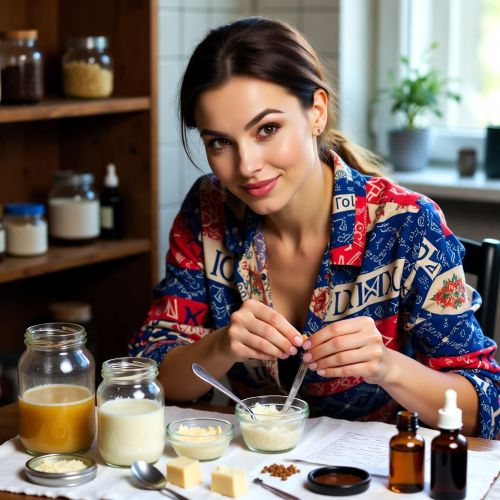 Creating a high end cosmetic product requires more than just mixing oils and water it demands a deep understanding of emulsion science. The question of how to make a professional face cream at home and in the lab is increasingly relevant for those who want a fresh personalized skincare experience. Professional formulation is based on the precise calculation of oil and water phases the selection of compatible emulsifiers and strict adherence to a technological process that guarantees stability and effectiveness.
In this comprehensive guide we will reveal the secrets of creating stable skincare systems that are structurally identical to luxury brands but superior in their concentration of active ingredients and lack of unnecessary synthetic fillers.
The Science of Emulsions and Professional Cream Architecture
Every professional cream is an emulsion where water and oil are joined by an emulsifier. In a laboratory setting this process is controlled at the molecular level. For home formulation choosing the right emulsion type is critical. The most common is the oil in water emulsion which is lightweight and ideal for day creams. More advanced are lamellar emulsions which mimic the lipid structure of human skin making them perfect for repairing the skin barrier.
The quality of the final product depends on water purity oil quality and preservative stability. Using distilled water is a mandatory requirement to prevent microbial contamination. Oils should be cold pressed and active ingredients must be checked for compatibility regarding acidity levels to ensure they do not neutralize each other.
Advantages of Handmade Formulation Over Industrial Brands
The main advantage of custom formulation is the absence of hidden ingredients. Industrial giants often add silicones mineral oils and synthetic polymers simply so the cream has a pleasant texture and a long shelf life on a store shelf. These ingredients offer no biological benefit to the cells and often create a deceptive effect of smoothness while clogging pores.
By creating a cream yourself you can introduce up to five percent of expensive peptides vitamins and botanical extracts whereas in commercial products their share is often less than half a percent. You have the power to adjust the richness of the product according to the season and your specific skin needs ensuring your skin receives exactly what it requires at any given moment.
Recipe One Lamellar Recovery Cream for All Skin Types
This formula mimics the skin natural structure and ensures deep penetration of active substances without leaving a greasy residue.
Ingredients Thirty milliliters of distilled water three grams of a lamellar emulsifier eight milliliters of squalane oil two grams of niacinamide and two drops of a broad spectrum preservative.
Step one Prepare two heat resistant glass beakers and disinfect them thoroughly with alcohol. Step阶段 two Pour the distilled water and niacinamide into the first beaker and place the squalane oil and emulsifier into the second beaker. Step three Heat both phases in a water bath until the emulsifier is completely melted in the oil. Both liquids must reach the same temperature of approximately seventy degrees Celsius. Step four Slowly pour the oil phase into the water phase while continuously mixing with a high speed mini mixer. Step five Continue mixing until the emulsion cools down to room temperature and begins to thicken into a creamy texture. Step six Add the preservative stir thoroughly and transfer the cream into a sterilized dark glass jar.
Recipe Two Intensive Hydrating Cream Fluid
A lightweight texture that is perfect for use under makeup or during the warm summer months.
Ingredients Thirty five milliliters of rose hydrosol two grams of a lightweight emulsifier five milliliters of grapeseed oil one gram of hyaluronic acid and two drops of a preservative.
Step one Mix the rose hydrosol with the hyaluronic acid and let it sit for an hour to form a clear gel. Step two Prepare the oil phase by mixing the grapeseed oil with the lightweight emulsifier in a separate heat resistant container. Step three Heat the oil mixture until the ingredients are fully melted avoiding boiling. Step four Combine the phases and whisk with a mixer until a uniform milky consistency is achieved. Step five As the fluid cools it will take on the consistency of light silk cream. Step six Add the preservative and pour the product into a bottle with a pump dispenser to limit air exposure.
Recipe Three Nourishing Balm for Dry and Mature Skin
This rich formula provides maximum protection and nourishment during the winter period or for severely dehydrated skin.
Ingredients Twenty milliliters of distilled water seven milliliters of avocado oil three milliliters of shea butter three grams of olive based emulsifier and two drops of Vitamin E.
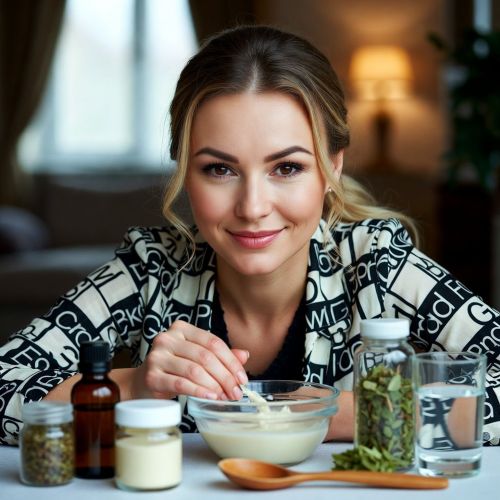
Step one Melt the solid shea butter and the avocado oil together with the emulsifier in a water bath. Step two Heat the distilled water in a separate container to a similar temperature level. Step three Gradually introduce the warm water into the oil mixture while working intensely with a whisk or mini mixer. Step four Monitor the emulsion carefully as it cools to ensure it does not separate by continuing to stir at a moderate pace. Step five Add the Vitamin E which acts as a powerful antioxidant for the skin and protects the oils from rancidity. Step six Once completely cooled the mass will become thick rich and highly nourishing.
Technical Recommendations and Storage Rules
To create a truly professional product strict hygiene must be maintained. All tools scales and containers must undergo sterilization. Even a small amount of bacteria will cause natural oils to spoil within a few days.
The storage of a handmade cream differs significantly from mass market products. Since we use a minimal amount of preservatives the best place for the cream is on a refrigerator shelf. Avoid getting water inside the jar during use. Always use a small cosmetic spatula instead of your fingers to prevent introducing microbes into the product.
The shelf life of a professional handmade cream is typically between one and three months provided a high quality preservative is used. Without preservatives any water based product will last no more than three days in the refrigerator. Following these rules allows you to enjoy a luxurious treatment that truly changes the condition of your skin making it healthy and radiant.


Cosmetic ingredients and professional formulation blog
This section features expert materials on modern cosmetic actives. We cover peptides, polynucleotides PDRN, different forms of hyaluronic acid, retinoids, ceramides and other key components.
Special focus is given to active stability, ingredient compatibility and correct incorporation into formulas. You will find practical guides on working with anti-age actives, moisturizing complexes and barrier repair ingredients.
We examine how to properly combine myorelaxants with peptides, common mistakes when using unstable vitamin C forms and ways to improve the performance of moisturizing actives.
Separate materials are dedicated to base oils, extracts, emulsifiers and supporting ingredients. This helps create stable and effective formulas for both professional and home cosmetics.
The blog regularly publishes reviews of trending actives, comparisons of similar ingredients and step-by-step formulation recommendations. The content is aimed at formulators, technologists and anyone seriously involved in creating cosmetic products.
Why this blog is useful
Here you will find practical data on eye area care actives, lifting systems and ingredients that improve skin firmness and tone. We rely on real formulation experience and address the actual challenges that arise during product development.
You can also explore materials on skin protection and repair, depigmentation and anti-inflammatory actives. This approach supports a more systematic selection of ingredients.
FAQ
What topics are covered most often
The blog focuses on peptides, PDRN, hyaluronic acid of different molecular weights, retinoids, ceramides and their compatibility rules.
Are there practical recommendations on how to incorporate actives
Yes, most articles include practical notes on pH stability, incorporation temperature and common formulation mistakes.
Is the content only for professionals
The materials are useful both for formulators and technologists and for those who create cosmetics for personal use and want to understand how modern ingredients work.
Where can I go directly to the ingredients
All key actives are collected in the Actives section, while base components are available in base oils and related categories.



