-
 DIY: Video master classes
-
 Aromatherapy
-
 Felting master classes
-
 Eating at home
-
 DIY cosmetics for children
-
 Cooking recipes
-
 Detergents, cleaning products with your own hands
-
 Soap making as a business
-
 Natural cosmetics. Raw materials for cosmetics and soap.
-
 Natural oils in cosmetics
-
 News
-
 Recipes for balms and conditioners
-
 Bath Bomb Recipes
-
 Cream recipes. Cream making.
-
 Lotion recipes. Gel recipes.
-
 Mask recipes
-
 Soap recipes. Base soap. Soap from scratch.
-
 Recipes for all occasions
-
 Natural shampoo recipes
-
 Healthy Nutrition Recipes
-
 Scrub recipes. Massage tiles. Ubtan
-
 DIY candles
-
 Reference materials, questions, tips
-
 Startup - soap production
-
 Hair care. Tips, recipes
-
 Facial skin care. Cleansers.
-
 Body care. Tips, recipes
-
 Photo Reviews
-
 Chocolate Handmade


How to create a cosmetics line from scratch, from concept to formula
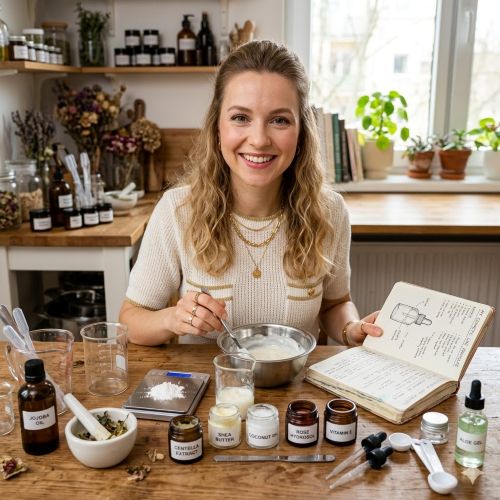 How to create a cosmetics line from scratch from concept to formula is a journey that blends creative vision with rigorous scientific methodology. Building a brand in the modern beauty industry requires more than just mixing ingredients; it demands a deep understanding of skin physiology, ingredient synergy, and market positioning. A successful line starts with a cohesive idea that addresses specific skin concerns and ends with a series of stable, effective formulas that consumers can trust.
In this professional guide, we will explore the strategic and technical phases of product development. You will learn how to transition from a mental concept to a physical prototype and discover three foundational recipes that can serve as the cornerstone of your first skincare collection.
Conceptual Planning and Developing the Product Matrix
The first stage of launching a cosmetic line is defining your niche and creating a logical product matrix. A professional collection usually follows a three-step or four-step routine: cleansing, toning, treating, and moisturizing. Each product must be designed to work in harmony with the others. If your concept is focused on anti-pollution, every formula in the line should incorporate antioxidants and barrier-strengthening actives to provide a cumulative effect.
When selecting your core ingredients, focus on evidence-based actives. Modern consumers are highly educated and look for transparency in labeling. Your formulas should start with a high-quality base, such as lamellar emulsions or botanical hydrosols, which ensure the effective delivery of active compounds. This phase also involves choosing a signature scent profile or deciding to go fragrance-free to cater to sensitive skin types, which defines the sensory identity of your brand.
Advantages of Custom Cosmetic Formulas Over Mass Market Analogs
The primary advantage of developing your own cosmetic line is the ability to dictate the concentration of active ingredients. In industrial mass production, expensive actives are often added at "label claim" levels, which are too low to provide actual physiological changes. By formulating your own products, you can include therapeutic dosages of niacinamide, peptides, or stable vitamin C, ensuring that your customers see a visible difference in their skin health.
Unlike industrial analogs, custom formulations avoid the use of cheap fillers like liquid paraffin, silicones, or aggressive sulfates. You have the freedom to use premium botanical butters and cold-pressed oils that offer real nutritional value to the skin. This focus on quality over quantity results in products that are more biocompatible, less likely to cause irritation, and more effective at repairing the skin natural lipid barrier.
Technical Nuances of Formula Stabilization and Testing
Achieving formula stability is the most critical technical challenge for a new brand. A product must maintain its texture, color, and odor throughout its entire shelf life. The main threats to cosmetic stability are microbial growth and oxidation. To prevent this, professional formulators use a broad-spectrum preservation system and antioxidants like tocopherol to keep oils from becoming rancid.
PH control is another vital nuance. Most facial products must be balanced between pH four point five and five point five to match the skin natural acid mantle. This requires precise calibration using buffers like lactic acid. Furthermore, every formula must undergo stress testing, where samples are subjected to extreme temperature fluctuations to ensure the emulsion does not separate. Only after a formula passes these rigorous checks can it be considered ready for the market.
Recipe One Gentle Amino Acid Cleansing Foam
This product serves as the essential first step in your line, providing deep cleaning without stripping the skin of its natural moisture.
Composition
Seventy milliliters distilled water
Ten milliliters cornflower hydrosol
Five milliliters decyl glucoside mild surfactant
Three milliliters vegetable glycerin
Two milliliters d-panthenol
One milliliter eco-preservative
Lactic acid for pH adjustment
Preparation
Step one Sanitize all laboratory equipment and containers with a seventy percent alcohol solution.
Step two Mix the distilled water and cornflower hydrosol in a glass beaker then add the glycerin and d-panthenol.
Step three Slowly introduce the decyl glucoside surfactant while stirring gently by hand to prevent excessive foaming.
Step four Test the pH level of the solution and add a single drop of lactic acid if the acidity is above five point five.
Step five Add the eco-preservative and stir for two minutes to ensure it is fully integrated into the liquid base.
Step six Transfer the liquid into a specialized foam pump bottle which will aerate the formula into a soft foam upon use.
Recipe Two Hydrating Serum Booster with Hyaluronic Acid
A high-potency treatment designed to deliver intense hydration and prepare the skin for the final moisturizing step.
Composition
Eighty milliliters purified water
One gram low molecular weight hyaluronic acid
Five milliliters niacinamide
Three milliliters aloe vera extract
Two milliliters water-soluble jojoba oil
Preservative
Preparation
Step one Add the hyaluronic acid powder to the purified water and allow it to hydrate for sixty minutes until a clear gel forms.
Step two In a separate small vessel, dissolve the niacinamide in a few drops of water and stir in the aloe vera extract.
Step three Combine the hyaluronic gel with the active phase using slow stirring motions to maintain a clear consistency.
Step four Incorporate the water-soluble jojoba oil which adds a light emollient property without making the serum greasy.
Step five Add the preservative and continue mixing for three minutes to ensure product safety and longevity.
Step six Package the serum in a dark amber glass bottle with a dropper to protect the actives from light degradation.
Recipe Three Restorative Lamellar Cream with Ceramides
The final seal of the line which locks in the serum actives and rebuilds the integrity of the skin moisture barrier.
Composition
Sixty milliliters distilled water
Fifteen milliliters squalane oil
Five grams lamellar emulsifier
Three milliliters ceramide complex
Two milliliters vitamin E tocopherol
Preservative
Preparation
Step one Weigh all ingredients using a high-precision digital scale to ensure formula consistency across batches.
Step two Combine the squalane oil and the lamellar emulsifier in a heat-resistant beaker and melt them in a water bath.
Step three Heat the distilled water in a separate beaker to the same temperature as the oil phase.
Step four Slowly pour the water into the oil phase while using a high-shear mixer for three minutes to form a stable emulsion.
Step five Continue to stir the cream manually as it cools down to room temperature to ensure a smooth texture.
Step six Once the cream is cool, add the ceramide complex, vitamin E, and the preservative.
Step seven Transfer the finished product into a sterilized jar or airless pump and allow it to set for twenty-four hours.
Detailed Recommendations for Line Implementation and Use
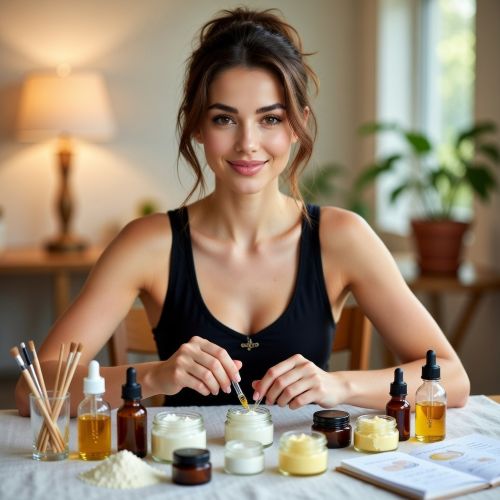
When launching a new line, it is essential to educate users on the proper sequence of application. The products should be used in the order of their density: cleansing foam first, followed by the hydrating serum on damp skin, and finally the restorative cream. This layering technique ensures that the water-based actives in the serum can penetrate deeply before being sealed in by the occlusive lipids of the cream.
Consistency is key to seeing results. Advise your customers to use the full routine twice daily for at least twenty-eight days. This duration matches the natural turnover cycle of skin cells, allowing the multifunctional ingredients to prove their efficacy. For professional results, recommend a patch test for twenty-four hours before the first full application to ensure no individual sensitivities exist.
Storage Guidelines and Quality Control for Your Cosmetics Line
Handmade professional cosmetics require careful storage to maintain their active potency. Finished products should be kept in a cool, dark place away from direct heat and sunlight. Ideal storage temperatures range from fifteen to twenty degrees Celsius. Avoid storing the products in the bathroom, as high humidity and frequent temperature spikes can destabilize the preservation system.
The shelf life for these formulas is typically six months after the first use. It is crucial to remind users to always use a clean spatula or pump to avoid introducing bacteria into the containers. If a product changes in scent, color, or texture, it indicates that the actives have oxidized or the preservative has failed, and the product should be replaced. Using airless dispensers is the best way to extend the life of your cosmetic line and protect your professional formulas from environmental damage.


Cosmetic ingredients and professional formulation blog
This section features expert materials on modern cosmetic actives. We cover peptides, polynucleotides PDRN, different forms of hyaluronic acid, retinoids, ceramides and other key components.
Special focus is given to active stability, ingredient compatibility and correct incorporation into formulas. You will find practical guides on working with anti-age actives, moisturizing complexes and barrier repair ingredients.
We examine how to properly combine myorelaxants with peptides, common mistakes when using unstable vitamin C forms and ways to improve the performance of moisturizing actives.
Separate materials are dedicated to base oils, extracts, emulsifiers and supporting ingredients. This helps create stable and effective formulas for both professional and home cosmetics.
The blog regularly publishes reviews of trending actives, comparisons of similar ingredients and step-by-step formulation recommendations. The content is aimed at formulators, technologists and anyone seriously involved in creating cosmetic products.
Why this blog is useful
Here you will find practical data on eye area care actives, lifting systems and ingredients that improve skin firmness and tone. We rely on real formulation experience and address the actual challenges that arise during product development.
You can also explore materials on skin protection and repair, depigmentation and anti-inflammatory actives. This approach supports a more systematic selection of ingredients.
FAQ
What topics are covered most often
The blog focuses on peptides, PDRN, hyaluronic acid of different molecular weights, retinoids, ceramides and their compatibility rules.
Are there practical recommendations on how to incorporate actives
Yes, most articles include practical notes on pH stability, incorporation temperature and common formulation mistakes.
Is the content only for professionals
The materials are useful both for formulators and technologists and for those who create cosmetics for personal use and want to understand how modern ingredients work.
Where can I go directly to the ingredients
All key actives are collected in the Actives section, while base components are available in base oils and related categories.



