-
 DIY: Video master classes
-
 Aromatherapy
-
 Felting master classes
-
 Eating at home
-
 DIY cosmetics for children
-
 Cooking recipes
-
 Detergents, cleaning products with your own hands
-
 Soap making as a business
-
 Natural cosmetics. Raw materials for cosmetics and soap.
-
 Natural oils in cosmetics
-
 News
-
 Recipes for balms and conditioners
-
 Bath Bomb Recipes
-
 Cream recipes. Cream making.
-
 Lotion recipes. Gel recipes.
-
 Mask recipes
-
 Soap recipes. Base soap. Soap from scratch.
-
 Recipes for all occasions
-
 Natural shampoo recipes
-
 Healthy Nutrition Recipes
-
 Scrub recipes. Massage tiles. Ubtan
-
 DIY candles
-
 Reference materials, questions, tips
-
 Startup - soap production
-
 Hair care. Tips, recipes
-
 Facial skin care. Cleansers.
-
 Body care. Tips, recipes
-
 Photo Reviews
-
 Chocolate Handmade


How to create cosmetics for spa and salon care
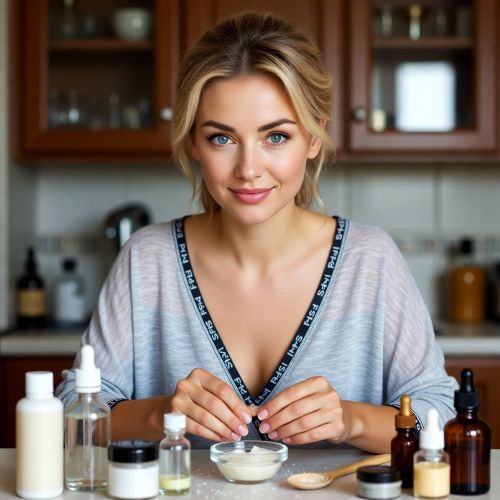 How to create cosmetics for spa and salon care is a topic that sits at the intersection of chemistry and sensory art. Professional spa products differ significantly from household skincare due to their higher concentration of active biological components, their specific textures designed for prolonged massage, and their aromatherapy benefits. Salon-grade products are formulated to provide immediate visible results, such as intense detoxification, deep hydration, and tissue firming, while offering a luxurious ritualistic experience.
In this extensive guide, we will explore the technical requirements for developing high-end spa formulations. You will learn about the physical and chemical nuances of ingredient synergy and discover three professional recipes that bring the atmosphere of a luxury salon into your laboratory.
Beneficial Properties and Physiological Action of Professional Spa Formulas
The primary function of spa-grade cosmetics is to facilitate detoxification and systemic relaxation through the skin. Unlike standard lotions, professional body wraps and massage mediums are designed to remain active on the skin for extended periods, allowing for the slow release of minerals and essential oils. This prolonged contact stimulates lymphatic drainage and improves microcirculation at the cellular level.
Formulas intended for salon use often incorporate marine minerals, volcanic clays, and high-purity botanical extracts. These ingredients work by osmotically drawing out impurities while replenishing the epidermis with vital trace elements. The result is not just a surface-level improvement in skin texture but a holistic revitalization of the skin barrier and a profound reduction in physiological stress.
Advantages of Professional Handmade Spa Products Over Industrial Analogs
The most significant advantage of handmade professional spa products is the purity of the base. Industrial analogs frequently rely on inexpensive mineral oils and liquid paraffins to provide "slip" for massage. While effective for movement, these petroleum-based ingredients form an occlusive film that can trap heat and block skin respiration. Professional handmade formulas replace these with high-quality botanical butters and cold-pressed oils that are fully bio-compatible and provide actual nutritional value.
Furthermore, salon products made in small batches allow for the use of delicate, heat-sensitive actives that often degrade during the mass-manufacturing process. By formulating your own spa products, you can customize the potency of warming or cooling agents to suit specific treatment goals. You also eliminate the need for harsh synthetic dyes and overpowering artificial fragrances, replacing them with therapeutic-grade essential oils that offer real psychological and physical benefits.
Technical Nuances of Preparation for High End Spa Cosmetics
When developing cosmetics for spa and salon care, maintaining the structural stability of the product is a major technical challenge. Spa products often combine contradictory elements like heavy clays and light oils. To prevent separation, professional formulators use high-performance emulsifiers and viscosity stabilizers. The preparation must be conducted with extreme precision regarding the order of addition and the cooling rate to ensure a smooth, professional texture.
Temperature control is paramount. Many premium spa ingredients, particularly seaweed extracts and essential oils, lose their therapeutic efficacy if exposed to high heat for too long. Therefore, these actives are typically introduced in the final phase when the mixture has cooled below forty degrees Celsius. Additionally, because spa environments are often humid, using a robust but skin-friendly preservative system is essential to prevent microbial contamination of the product during professional use.
Recipe One Professional Hydrophilic Massage Oil with Sandalwood
This formulation provides perfect glide for long-duration massage and transforms into a silky milk upon contact with water, making it easy to rinse off without leaving a greasy residue.
Composition Sixty milliliters sweet almond oil Twenty milliliters grapeseed oil Ten milliliters polysorbate eighty Eight milliliters jojoba oil Two milliliters sandalwood essential oil
Preparation Step one Ensure all laboratory glassware and mixing tools are completely dry to prevent premature emulsification. Step two Combine the sweet almond oil and grapeseed oil in a large glass beaker to form the base of the massage medium. Step three Add the jojoba oil, which enhances the stability of the blend and mimics the skin natural sebum. Step four Slowly pour in the polysorbate eighty, which acts as the emulsifying agent that allows the oil to become water-soluble. Step five Incorporate the sandalwood essential oil for its deep relaxation properties and sophisticated spa aroma. Step seven Stir the mixture continuously for five minutes until the liquid is perfectly clear and uniform.
Recipe Two Detoxifying Marine Mud Wrap with Blue Clay and Laminaria
A powerful treatment designed for deep tissue detoxification, mineral replenishment, and improving the appearance of skin texture.
Composition Fifty grams micronized laminaria seaweed powder Thirty grams blue kaolin clay Ten milliliters horse chestnut extract Ten milliliters rosemary hydrosol One milliliter broad spectrum eco-preservative
Preparation Step one Mix the dry micronized laminaria and blue clay in a sterilized ceramic or glass bowl using a non-metallic spatula. Step two Gradually add the rosemary hydrosol while stirring constantly until you achieve the consistency of a thick smooth paste. Step three Blend in the horse chestnut extract, which is highly valued in salons for its lymphatic drainage and anti-edema benefits. Step four Add the eco-preservative if you intend to store the wrap for more than twenty-four hours. Step five Allow the mixture to rest for fifteen minutes to allow the seaweed particles to fully hydrate and release their mineral content. Step six Give the paste one final vigorous stir before application to ensure all active components are evenly distributed.
Recipe Three Intensive Body Butter Balm with Shea and Cocoa
A rich, whipped finishing treatment that restores lipid balance and leaves the skin with a professional velvety glow.
Composition Forty grams raw shea butter Thirty grams pure cocoa butter Twenty milliliters macadamia oil Five grams beeswax pellets Five milliliters vitamin E tocopherol
Preparation Step one Place the beeswax pellets and cocoa butter in a heat-resistant glass beaker and melt them using a water bath. Step two Add the shea butter once the wax has melted, allowing it to soften without exposing it to excessive heat for too long. Step three Pour in the macadamia oil and stir the mixture with a glass rod until it is completely liquid and clear. Step four Remove the beaker from the heat and allow the oils to begin cooling at room temperature. Step five Add the vitamin E tocopherol as the balm starts to become cloudy, ensuring the antioxidant properties are preserved. Step six Use a professional hand mixer to whip the balm as it solidifies, creating a light, airy, and creamy texture that is easy to apply.
Detailed Recommendations for Professional Use and Application
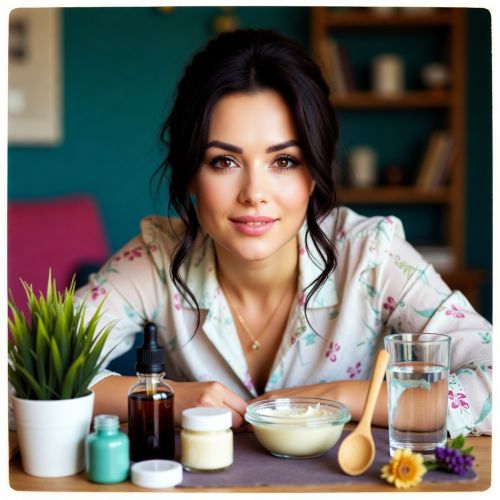
The effectiveness of spa cosmetics is greatly enhanced by the correct application sequence. Begin the ritual by cleansing the skin with the hydrophilic oil, which prepares the surface by removing impurities. During the massage phase, the oil should be warmed in the hands before being applied to the body. For the detox wrap, apply a medium layer to the target areas and cover with professional aesthetic film and a thermal blanket for thirty minutes to facilitate deep penetration of the marine minerals.
After rinsing off the wrap with lukewarm water, always conclude the treatment by applying the intensive body butter. This final step locks in the moisture and creates a protective barrier that extends the benefits of the procedure for several days. Advise the user to remain hydrated and rest after the treatment to maximize the detoxification process initiated by the salon-grade ingredients.
Storage Guidelines and Maintenance of Spa Products
Professional spa cosmetics contain high concentrations of natural lipids and botanical extracts, making them sensitive to light and temperature fluctuations. Store all massage oils and body butters in a cool, dark environment between fifteen and twenty degrees Celsius. Using dark amber glass or opaque containers is highly recommended to protect the essential oils from photo-oxidation and rancidity.
The shelf life for anhydrous products like the massage oil and whipped butter is generally six to nine months. However, the marine mud wrap, even with a preservative, should be used within two to three months to ensure maximum mineral activity. Always use a clean spatula or pump dispenser to retrieve the product to prevent bacterial contamination from the hands. If you notice any separation or changes in the aromatic profile, it is a sign that the actives have destabilized and a new batch should be prepared.


Cosmetic ingredients and professional formulation blog
This section features expert materials on modern cosmetic actives. We cover peptides, polynucleotides PDRN, different forms of hyaluronic acid, retinoids, ceramides and other key components.
Special focus is given to active stability, ingredient compatibility and correct incorporation into formulas. You will find practical guides on working with anti-age actives, moisturizing complexes and barrier repair ingredients.
We examine how to properly combine myorelaxants with peptides, common mistakes when using unstable vitamin C forms and ways to improve the performance of moisturizing actives.
Separate materials are dedicated to base oils, extracts, emulsifiers and supporting ingredients. This helps create stable and effective formulas for both professional and home cosmetics.
The blog regularly publishes reviews of trending actives, comparisons of similar ingredients and step-by-step formulation recommendations. The content is aimed at formulators, technologists and anyone seriously involved in creating cosmetic products.
Why this blog is useful
Here you will find practical data on eye area care actives, lifting systems and ingredients that improve skin firmness and tone. We rely on real formulation experience and address the actual challenges that arise during product development.
You can also explore materials on skin protection and repair, depigmentation and anti-inflammatory actives. This approach supports a more systematic selection of ingredients.
FAQ
What topics are covered most often
The blog focuses on peptides, PDRN, hyaluronic acid of different molecular weights, retinoids, ceramides and their compatibility rules.
Are there practical recommendations on how to incorporate actives
Yes, most articles include practical notes on pH stability, incorporation temperature and common formulation mistakes.
Is the content only for professionals
The materials are useful both for formulators and technologists and for those who create cosmetics for personal use and want to understand how modern ingredients work.
Where can I go directly to the ingredients
All key actives are collected in the Actives section, while base components are available in base oils and related categories.



