-
 DIY: Video master classes
-
 Aromatherapy
-
 Felting master classes
-
 Eating at home
-
 DIY cosmetics for children
-
 Cooking recipes
-
 Detergents, cleaning products with your own hands
-
 Soap making as a business
-
 Natural cosmetics. Raw materials for cosmetics and soap.
-
 Natural oils in cosmetics
-
 News
-
 Recipes for balms and conditioners
-
 Bath Bomb Recipes
-
 Cream recipes. Cream making.
-
 Lotion recipes. Gel recipes.
-
 Mask recipes
-
 Soap recipes. Base soap. Soap from scratch.
-
 Recipes for all occasions
-
 Natural shampoo recipes
-
 Healthy Nutrition Recipes
-
 Scrub recipes. Massage tiles. Ubtan
-
 DIY candles
-
 Reference materials, questions, tips
-
 Startup - soap production
-
 Hair care. Tips, recipes
-
 Facial skin care. Cleansers.
-
 Body care. Tips, recipes
-
 Photo Reviews
-
 Chocolate Handmade


How to make professional soap at home step by step
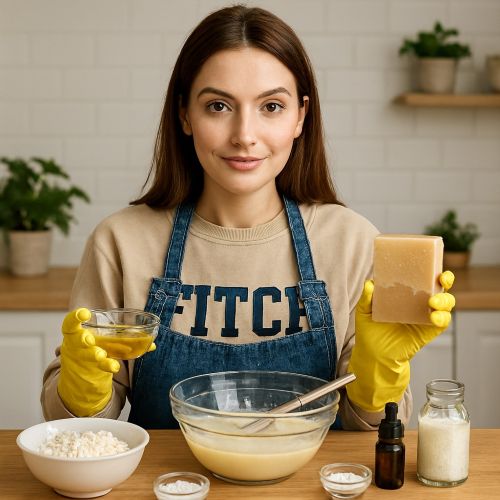 Creating professional quality soap at home is a sophisticated craft that combines chemical precision with artistic expression. Unlike basic hobbyist methods professional soap making requires a deep understanding of ingredient synergy temperature control and the specific needs of different skin types. By mastering the melt and pour technique with high grade bases and botanical actives you can produce skincare products that rival luxury boutique brands in both aesthetics and dermatological benefits.
This comprehensive guide illuminates the path from beginner to expert formulator. We explore the technical nuances of handling specialized soap bases the science of adding therapeutic oils and the secrets to maintaining long lasting fragrances. You will learn how to create a product that is not only a functional cleanser but a potent treatment for the skin far surpassing the quality of mass produced industrial alternatives.
The Science of Superiority Homemade vs Industrial Soap
Most commercially available soaps found in supermarkets are technically synthetic detergent bars. Making your own professional grade soap provides several decisive advantages for skin health and environmental sustainability.
Retention of Natural Glycerin In large scale industrial manufacturing glycerin is often stripped away to be sold as a high value byproduct for lotions and creams. In homemade professional soap the glycerin remains intact. This natural humectant draws moisture from the air into the skin ensuring that every wash hydrates rather than dehydrates the epidermis.
Exclusion of Harsh Surfactants Professional home formulation allows you to choose bases free from Sodium Lauryl Sulfate (SLS) and parabens. This is essential for individuals with sensitive skin rosacea or eczema as it prevents the disruption of the natural acid mantle.
Customized Nutrient Density Industrial soaps are formulated for the average user often containing minimal active ingredients. Homemade professional soap allows for high concentrations of specific nutrients such as cold pressed oils botanical extracts and mineral clays tailored to your specific skin concerns.
Technical Nuances and Professional Preparation Secrets
To achieve a result that looks and feels professional you must adhere to several technical standards used by master soap makers.
Precise Temperature Management A soap base must never reach a boiling point. Boiling alters the molecular structure of the surfactants and causes the evaporation of water leading to a brittle bar that shrinks over time. The professional sweet spot for melting is between 65 and 70 degrees Celsius. Maintaining this range ensures a smooth pour and perfect clarity.
The Art of Superfatting Adding extra oils known as superfatting provides the moisturizing properties of professional soap. However adding too much will kill the lather and make the soap greasy. The gold standard for professional melt and pour is one teaspoon of liquid oil per 500 grams of soap base.
Eliminating Surface Imperfections The mark of a professional bar is a glass like surface. This is achieved using high purity isopropyl alcohol in a fine mist sprayer. Spritzing the mold before pouring and immediately after filling the mold collapses surface tension and eliminates every tiny air bubble.
Recipe 1 Anti Stress Lavender and Blue Clay Professional Bar
This recipe is designed for deep pore detoxification combined with a high end aromatherapy experience.
Ingredients 200 grams of clear professional soap base 1 teaspoon of Blue Cambrian Clay 5 drops of high altitude Lavender Essential Oil 05 teaspoon of Grapeseed Oil.
Step one Cut the clear soap base into uniform cubes of approximately 2 centimeters to ensure even melting without hotspots. Step two Melt the base using a double boiler while monitoring the temperature to ensure it does not exceed the professional limit. Step three In a separate small glass vessel mix the Blue Clay with the Grapeseed Oil until a smooth paste is formed. This step is critical to prevent clay clumps in the final bar. Step four Slowly introduce the clay paste into the melted base stirring gently in a circular motion to avoid incorporating air. Step five Once the base cools slightly to approximately 55 degrees Celsius add the Lavender Essential Oil to prevent the scent from flashing off. Step six Mist the mold with alcohol pour the mixture and mist the top immediately. Allow to set for 2 hours in a vibration free environment.
Recipe 2 Professional Exfoliating Coffee and Shea Butter Scrub
A high performance bar designed for cellulite massage and skin renewal with a rich creamy lather.
Ingredients 200 grams of white opaque soap base 1 tablespoon of medium ground organic coffee 05 teaspoon of melted raw Shea Butter 5 drops of Cinnamon Leaf Essential Oil.
Step one Melt the white opaque base using gentle heat until it reaches a fluid honey like consistency. Step two Integrate the melted Shea Butter which provides a luxurious skin feel and protects the moisture barrier during exfoliation. Step three Add the ground coffee. To prevent the coffee grounds from sinking to the bottom stir the mixture as it cools until it begins to thicken slightly before pouring. Step four Add the Cinnamon Leaf Essential Oil which acts as a mild circulatory stimulant. Step five Pour the thickened mass into the mold and treat the surface with an alcohol mist. Step six Once fully hardened the bar will provide a professional grade massage effect and a natural coffee aroma.
Recipe 3 Vitamin Enriched Honey and Sea Buckthorn Recovery Bar
A nutrient dense treatment bar designed to repair damaged skin and provide a radiant glow.
Ingredients 200 grams of organic or honey soap base 1 teaspoon of raw organic honey 05 teaspoon of Sea Buckthorn Oil 2 capsules of pure Vitamin E.
Step one Melt the organic base slowly avoiding any vigorous stirring that might create unwanted foam. Step two Blend in the Sea Buckthorn Oil which gives the soap a natural golden hue and provides high levels of carotenoids for skin repair. Step three Incorporate the raw honey. Ensure the base has cooled to roughly 60 degrees Celsius so the therapeutic enzymes in the honey remain active. Step four Puncture the Vitamin E capsules and squeeze the concentrated oil into the mixture. Step five Stir thoroughly until the color is perfectly homogenous throughout the liquid. Step six Pour into the mold and allow to cool slowly at room temperature to prevent cracking or sweating.
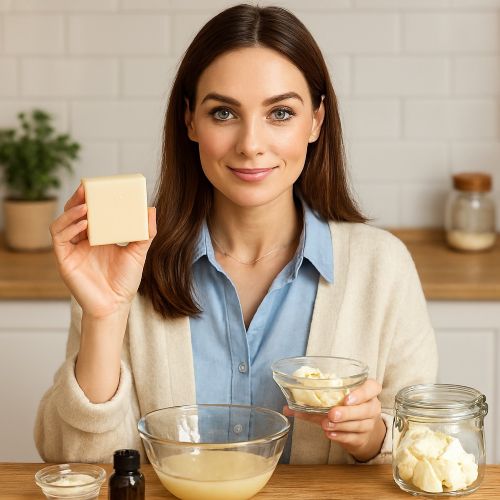
Professional Recommendations for Use and Storage
Professional soap requires specific care to maintain its structural integrity and botanical potency.
Optimal Storage Conditions Soap bases are high in glycerin which makes them hygroscopic meaning they attract moisture from the environment. To prevent the bar from sweating store it in a cool dry place. Once the soap has cured and hardened for 24 hours wrap it tightly in professional grade shrink wrap or biodegradable cellophane.
Managing Shelf Life While the soap base itself is stable the addition of natural oils and honey reduces the shelf life. For maximum freshness use the soap within 6 months. If your recipe includes food grade items like milk or fresh herbs the bar should be used within 3 months to ensure the botanical integrity.
Usage Tips for Longevity To extend the life of your professional bar always use a draining soap dish. Professional soap contains more moisturizing oils than industrial bars and will soften if left in standing water. Allowing the bar to dry between uses preserves its texture and ensures the scent remains vibrant until the very last wash.
The Value of Professional Home Formulation
Choosing to make professional soap at home is an investment in your long term skin health. You gain total transparency regarding every ingredient that touches your body. By excluding industrial fillers and synthetic fragrances you significantly reduce the toxic load on your skin and the environment. Each bar you create is a balanced dermatological tool designed to nourish and protect. The transition from mass market products to artisan professional soap results in visible improvements in skin texture hydration and overall radiance.


Cosmetic ingredients and professional formulation blog
This section features expert materials on modern cosmetic actives. We cover peptides, polynucleotides PDRN, different forms of hyaluronic acid, retinoids, ceramides and other key components.
Special focus is given to active stability, ingredient compatibility and correct incorporation into formulas. You will find practical guides on working with anti-age actives, moisturizing complexes and barrier repair ingredients.
We examine how to properly combine myorelaxants with peptides, common mistakes when using unstable vitamin C forms and ways to improve the performance of moisturizing actives.
Separate materials are dedicated to base oils, extracts, emulsifiers and supporting ingredients. This helps create stable and effective formulas for both professional and home cosmetics.
The blog regularly publishes reviews of trending actives, comparisons of similar ingredients and step-by-step formulation recommendations. The content is aimed at formulators, technologists and anyone seriously involved in creating cosmetic products.
Why this blog is useful
Here you will find practical data on eye area care actives, lifting systems and ingredients that improve skin firmness and tone. We rely on real formulation experience and address the actual challenges that arise during product development.
You can also explore materials on skin protection and repair, depigmentation and anti-inflammatory actives. This approach supports a more systematic selection of ingredients.
FAQ
What topics are covered most often
The blog focuses on peptides, PDRN, hyaluronic acid of different molecular weights, retinoids, ceramides and their compatibility rules.
Are there practical recommendations on how to incorporate actives
Yes, most articles include practical notes on pH stability, incorporation temperature and common formulation mistakes.
Is the content only for professionals
The materials are useful both for formulators and technologists and for those who create cosmetics for personal use and want to understand how modern ingredients work.
Where can I go directly to the ingredients
All key actives are collected in the Actives section, while base components are available in base oils and related categories.



