-
 DIY: Video master classes
-
 Aromatherapy
-
 Felting master classes
-
 Eating at home
-
 DIY cosmetics for children
-
 Cooking recipes
-
 Detergents, cleaning products with your own hands
-
 Soap making as a business
-
 Natural cosmetics. Raw materials for cosmetics and soap.
-
 Natural oils in cosmetics
-
 News
-
 Recipes for balms and conditioners
-
 Bath Bomb Recipes
-
 Cream recipes. Cream making.
-
 Lotion recipes. Gel recipes.
-
 Mask recipes
-
 Soap recipes. Base soap. Soap from scratch.
-
 Recipes for all occasions
-
 Natural shampoo recipes
-
 Healthy Nutrition Recipes
-
 Scrub recipes. Massage tiles. Ubtan
-
 DIY candles
-
 Reference materials, questions, tips
-
 Startup - soap production
-
 Hair care. Tips, recipes
-
 Facial skin care. Cleansers.
-
 Body care. Tips, recipes
-
 Photo Reviews
-
 Chocolate Handmade


How to make a peptide booster for layering skincare
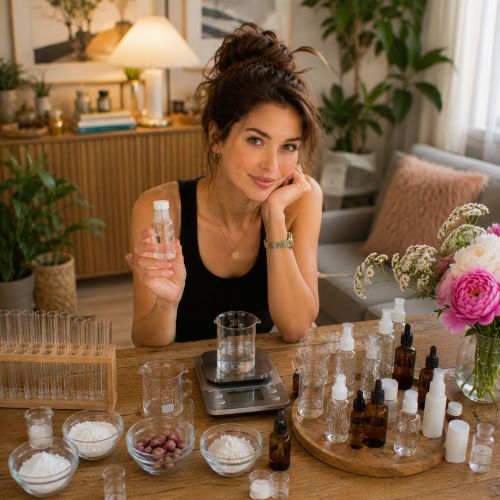 The modern approach to managing mature or depleted skin often relies on a layering routine. This method involves applying targeted products sequentially based on their molecular weight and thickness, allowing each layer to absorb fully without overloading the epidermis. In this routine, a peptide booster serves as a highly concentrated, ultra-fluid treatment designed to deliver active amino acid chains deep into the tissue.
Unlike a standard lotion or heavy facial oil, a booster has a water-thin, rapid-penetration structure. It acts as an ingredient driver, priming the skin cells and opening up pathways for subsequent products. By introducing short protein strings at the very beginning of the routine, you supply the skin matrix with the necessary building blocks to signal collagen synthesis, improve elasticity, and plump fine lines before sealing everything in with a traditional cream.
Why Custom Artisan Boosters Outperform Mass Market Formulations
Commercial anti-aging boosters found on store shelves are frequently diluted with chemical fillers, volatile silicones, and synthetic slip agents. Mass-market manufacturers use these additives to give the formula an artificial silky feel that quickly disappears without providing real cellular benefits. Furthermore, to make these products shelf-stable for several years, industrial brands use aggressive synthetic preservatives that can irritate sensitive skin and break down delicate peptide structures over time.
Handcrafting a custom peptide booster allows you to skip these unnecessary industrial stabilizers and create a highly bioavailable fluid. You can replace plain water with fresh, organic botanical hydrosols, aloe vera juice, or nutrient-dense ferments. This approach lets you combine multiple types of specialized peptides into a single clean formula at their optimal performance levels, ensuring every single drop feeds your skin cells directly without any synthetic chemical burden.
Technical Nuances of Compounding and Maintaining Amino Acid Stability
Formulating a targeted peptide booster at home requires a basic understanding of ingredient compatibility and fluid stability. Peptides are delicate amino acid chains that can easily break down or undergo denaturation if exposed to high heat or extreme changes in acidity. For this reason, a custom booster must always be blended using a cold-compounding method at stable room temperature.
To keep the booster completely weightless and suitable for a layering routine, the formula must remain strictly oil-free and water-soluble. Choose lightweight, natural gelling agents like low molecular weight sodium hyaluronate or soft konjac mannan powder to add an elegant, fluid slip without creating a heavy layer. The acidity level of the final liquid should be checked and kept between five and six units, which matches the skin's natural pH and ensures your active peptides stay stable and effective.
Lab Grade Cleanliness Standards for Homemade Liquid Cosmetics
Because fresh, handmade cosmetics use mild, eco-certified preservation systems, you must follow strict sanitization protocols during the blending process. Water-based peptide fluids are easily contaminated by ambient bacteria or mold spores, which can exhaust the preservative's strength and ruin the active ingredients.
Before weighing any raw materials, clear your entire workspace, wash your hands thoroughly with soap, and put on clean gloves. Spray your glass laboratory beakers, digital scales, glass stirring rods, and final amber glass dropper bottles with a seventy percent isopropyl alcohol mist, allowing them to air-dry completely on fresh paper towels. Never wipe your equipment with cloth towels, which can easily leave behind micro-fibers and hidden bacteria.
Recipe First The Collagen Support Plumping Peptide Booster
An ultra-fluid, deeply hydrating booster designed to smooth early expression lines, target loss of firmness, and prep the skin for daily moisturizers.
Composition Sixty-five milliliters organic damask rose hydrosol Twenty milliliters distilled orange blossom water Five milliliters Matrixyl peptide complex solution Five milliliters copper peptide solution Four milliliters vegetable glycerin One milliliter low molecular weight hyaluronic acid powder One milliliter mild liquid eco certified broad spectrum preservative
PreparationStep first Thoroughly sanitize your glass mixing beakers, a long glass stirring rod, and a dark amber glass dropper bottle with a seventy percent isopropyl alcohol mist.Step second Pour the organic damask rose hydrosol and distilled orange blossom water into your primary glass beaker, stirring gently to form the water base.Step third Sprinkle the low molecular weight hyaluronic acid powder slowly over the liquid base, stirring smoothly with your glass rod to prevent any clumping.Step fourth Let the mixture sit undisturbed for twenty minutes until the hyaluronic acid dissolves completely, turning the fluid into a silky, neoweightless gel.Step fifth Add the vegetable glycerin, Matrixyl peptide complex solution, and copper peptide solution into the beaker, blending slowly to keep the delicate protein chains stable.Step sixth Pour the mild liquid eco-certified preservative into the mixture, stirring continuously for two full minutes to ensure the biocide distributes evenly through the liquid.Step seventh Transfer the completed collagen support booster into your sanitized amber glass dropper bottle and secure the cap tightly.
Recipe Second The Glass Skin Niacinamide Radiance Peptide Booster
A brightening, skin-refining fluid booster that combines advanced peptides with vitamin B3 to minimize the appearance of pores and build a radiant complexion.
Composition Sixty milliliters organic centella asiatica hydrosol Twenty-five milliliters pure organic aloe vera juice Five milliliters acetyl hexapeptide solution Four milliliters pure water soluble niacinamide powder Five milliliters natural moisturizing factor liquid complex One milliliter gentle liquid water soluble preservative
PreparationStep first Disinfect your glass laboratory beakers, electronic scales, stirring tools, and a sterile glass bottle with an alcohol rinse.Step second Combine the organic centella asiatica hydrosol and pure organic aloe vera juice in your main beaker, mixing until completely uniform.Step third Add the pure water-soluble niacinamide powder into the liquid base, stirring slowly with your glass rod until the white crystals dissolve completely.Step fourth Gently pour the acetyl hexapeptide solution into the beaker, using slow movements to avoid creating excess air bubbles in the fluid.Step fifth Introduce the natural moisturizing factor liquid complex into the mixture to support the skin's natural moisture balance.Step sixth Blend the gentle liquid water-soluble preservative into the solution, keeping the formula stable and protected against bacteria.Step seventh Pour the completed radiance peptide booster into your sanitized dropper bottle and store it away from direct sunlight.
Recipe Third The Rice Ferment Barrier Defense Peptide Booster
A soothing, deeply revitalizing booster formulated with traditional ferments and repairing peptides to calm red skin and support a compromised skin barrier.
Composition Fifty-five milliliters pure lavender flower hydrosol Thirty milliliters active galactomyces ferment filtrate Five milliliters palmitoyl oligopeptide solution Five milliliters liquid silk amino acids Four grams natural konjac mannan gelling powder One milliliter mild broad spectrum liquid preservative
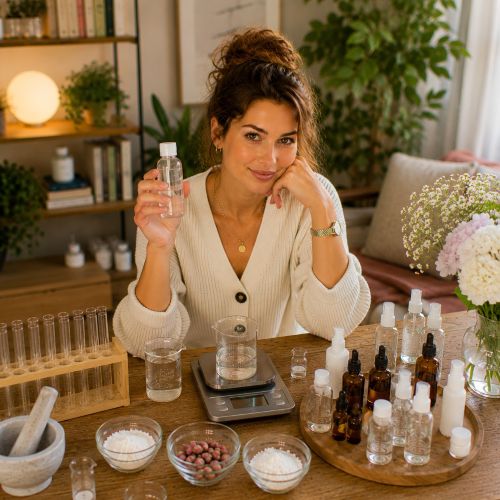
PreparationStep first Sanitize all glass pouring beakers, a stainless steel mini whisk, and an airless pump dispenser bottle using your isopropyl sanitizing spray.Step second Blend the pure lavender flower hydrosol and active galactomyces ferment filtrate together in your main glass beaker.Step third Sprinkle the natural konjac mannan gelling powder over the fermented liquid base, whisking quickly to ensure a uniform texture without any lumps.Step fourth Let the fluid sit for fifteen minutes to allow the botanical sugars to fully expand into a very light, weightless fluid gel.Step fifth Add the liquid silk amino acids and the palmitoyl oligopeptide solution into the gel base, mixing slowly with a glass rod to protect the active proteins.Step sixth Introduce the mild broad-spectrum liquid preservative, ensuring it incorporates completely into the water channels of the booster.Step seventh Pour the finished barrier defense peptide booster into your clean airless pump dispenser bottle and secure the cap firmly.
Correct Application Methods and the Rules of Strategic Layering
To get the absolute best results from your custom handmade peptide boosters, they must be applied correctly within a strategic layering routine. Always use the booster twice a day, in the morning and evening, right after thoroughly cleansing your face and applying a mild toner. While your skin is still slightly damp from the toner, dispense three to four drops of the booster onto your clean palms.
Press your palms gently onto your face, neck, and chest, using light patting motions to help the low molecular weight fluid absorb quickly into the tissue. Never layer these peptide boosters immediately after using high-strength exfoliating acids, such as glycolic, lactic, or salicylic acids, or pure ascorbic acid. A highly acidic environment drops the skin's surface pH too low, which can split the delicate peptide strings and neutralize their anti-aging benefits. If you use exfoliating acids, apply them in the morning and save your peptide booster for your evening routine. Once the booster absorbs fully, apply your favorite serum or daily moisturizer to lock the nutrients in.
Strict Temperature Controls and Safe Storage Standards
Because clean, artisan peptide boosters skip harsh synthetic chemicals and rely on mild eco-preservatives, they require a little extra care to stay fresh and active. Never store your booster bottles on open shelves in a damp bathroom, where high humidity and changing temperatures from hot showers can quickly break down active plant ferments and delicate peptide bonds.
Keep your handmade boosters on the middle shelf of a standard home refrigerator or inside a dedicated cosmetic beauty fridge. A steady, cool temperature is ideal for keeping the plant hydrosols and protein complexes stable over time. As an added benefit, applying a chilled booster in the morning provides a wonderful anti-inflammatory cooling sensation, helping to target puffiness and tighten pores. When kept under these ideal conditions and closed tightly after each use, your fresh peptide booster will remain potent, safe, and highly effective for three to four months.


Cosmetic ingredients and professional formulation blog
This section features expert materials on modern cosmetic actives. We cover peptides, polynucleotides PDRN, different forms of hyaluronic acid, retinoids, ceramides and other key components.
Special focus is given to active stability, ingredient compatibility and correct incorporation into formulas. You will find practical guides on working with anti-age actives, moisturizing complexes and barrier repair ingredients.
We examine how to properly combine myorelaxants with peptides, common mistakes when using unstable vitamin C forms and ways to improve the performance of moisturizing actives.
Separate materials are dedicated to base oils, extracts, emulsifiers and supporting ingredients. This helps create stable and effective formulas for both professional and home cosmetics.
The blog regularly publishes reviews of trending actives, comparisons of similar ingredients and step-by-step formulation recommendations. The content is aimed at formulators, technologists and anyone seriously involved in creating cosmetic products.
Why this blog is useful
Here you will find practical data on eye area care actives, lifting systems and ingredients that improve skin firmness and tone. We rely on real formulation experience and address the actual challenges that arise during product development.
You can also explore materials on skin protection and repair, depigmentation and anti-inflammatory actives. This approach supports a more systematic selection of ingredients.
FAQ
What topics are covered most often
The blog focuses on peptides, PDRN, hyaluronic acid of different molecular weights, retinoids, ceramides and their compatibility rules.
Are there practical recommendations on how to incorporate actives
Yes, most articles include practical notes on pH stability, incorporation temperature and common formulation mistakes.
Is the content only for professionals
The materials are useful both for formulators and technologists and for those who create cosmetics for personal use and want to understand how modern ingredients work.
Where can I go directly to the ingredients
All key actives are collected in the Actives section, while base components are available in base oils and related categories.



