-
 DIY: Video master classes
-
 Aromatherapy
-
 Felting master classes
-
 Eating at home
-
 DIY cosmetics for children
-
 Cooking recipes
-
 Detergents, cleaning products with your own hands
-
 Soap making as a business
-
 Natural cosmetics. Raw materials for cosmetics and soap.
-
 Natural oils in cosmetics
-
 News
News
-
 Recipes for balms and conditioners
-
 Bath Bomb Recipes
-
 Cream recipes. Cream making.
-
 Lotion recipes. Gel recipes.
-
 Mask recipes
-
 Soap recipes. Base soap. Soap from scratch.
-
 Recipes for all occasions
-
 Natural shampoo recipes
-
 Healthy Nutrition Recipes
-
 Scrub recipes. Massage tiles. Ubtan
-
 DIY candles
-
 Reference materials, questions, tips
-
 Startup - soap production
-
 Hair care. Tips, recipes
-
 Facial skin care. Cleansers.
-
 Body care. Tips, recipes
-
 Photo Reviews
-
 Chocolate Handmade


How to properly incorporate peptides into a formula: pH, temperature, mixing order, stabilizers
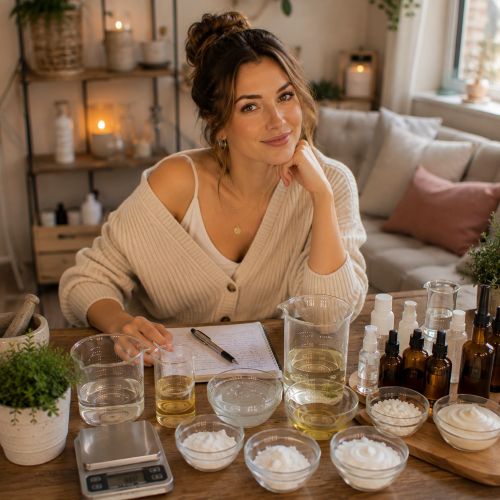 Peptides are short chains of amino acids linked by amide bonds that function as cellular signaling molecules within skin tissue. They stimulate the synthesis of endogenous collagen, elastin, and glycosaminoglycans, relax facial tension, and accelerate tissue repair. Due to their targeted biological activity, peptides have become a cornerstone of modern anti-aging skincare formulations.
However, peptide molecules are chemically delicate. Exposure to improper formulation environments leads to irreversible thermal denaturation or hydrolytic cleavage, breaking the amide bonds and converting active signal peptides into inert amino acid fragments. Once hydrolyzed, these molecules lose their ability to dock with cellular receptors, becoming nothing more than simple hydrating agents. Preserving structural integrity during formulation requires strict adherence to precise physical and chemical parameters.
Thermal Boundaries and Critical pH Limits for Active Stability
Temperature control is paramount when handling peptide solutions. Heating peptide molecules above forty degrees Celsius disrupts their spatial conformation and accelerates amide bond breakdown. Consequently, peptides must always be incorporated during the cool-down phase of formulation, after emulsions or gels have cooled below thirty-five degrees Celsius.
Equally critical is maintaining a narrow pH range. Most cosmetic peptides maintain structural stability and cell-signaling bio-availability within a pH window between five point zero and six point five. Environment acidity dropping below four point five triggers acid-catalyzed hydrolysis, while alkaline conditions exceeding seven point zero disrupt hydrogen bonding and degrade active peptide chains.
Addition Sequence Active Compatibility and Stabilizer Integration
The order of addition dictates whether peptides remain evenly dispersed and protected against oxidative degradation. Peptides should be blended into fully formed, cooled emulsions or gel bases immediately before adding final preservatives and scent components.
Formulators must also account for chemical compatibility. Peptides cannot be combined in the same aqueous phase with acidic forms of L-ascorbic acid, alpha hydroxy acids, or beta hydroxy acids, as low pH environments degrade peptide structures instantly. High concentrations of heavy metal ions and harsh anionic surfactants must also be avoided, as they cause protein coagulation and precipitation.
To enhance peptide longevity in aqueous systems, incorporate chelating agents like sodium phytate to bind trace metal ions that catalyze oxidative cleavage. Polymeric thickening agents and polysaccharides further protect peptides by creating a supportive gel matrix that prevents active aggregation.
Advantages of Custom Peptide Formulations Over Commercial Alternatives
Mass-market commercial creams claiming peptide benefits often contain minimal active dosages. Because industrial products must withstand long supply chains, warehouse temperature fluctuations, and extended shelf lives of up to three years, the fragile peptides within them frequently degrade long before the consumer opens the packaging.
Formulating small-batch, fresh peptide cosmetics allows you to utilize optimal therapeutic concentrations between three and ten percent. By maintaining direct control over pH parameters, avoiding harsh synthetic additives, and using gentle eco-certified bases, custom formulations deliver uncompromised bioactive efficacy for maximum firming and rejuvenating results.
Sanitation Protocols and Equipment Sterilization
Creating peptide-rich formulations requires stringent hygiene standards, as amino acid solutions serve as nutrient sources for microbial growth if unprotected.
Sanitize your work area thoroughly with a broad-spectrum surface disinfectant. Wash hands with antibacterial soap and wear sterile nitrile gloves. All heat-resistant glass beakers, stirring tools, digital scales, glass pipettes, and storage containers must be washed, rinsed with distilled water, and sprayed with seventy percent isopropyl alcohol. Allow all equipment to air-dry completely on clean paper towels before measuring raw materials.
Recipe First Signal Collagen Boosting Serum with Matrixyl Peptide Complex
An advanced hydrating gel serum engineered to smooth fine lines, stimulate structural collagen production, and improve dermal density.
Composition forty milliliters distilled water two milliliters Matrixyl peptide complex one milliliter low molecular weight hyaluronic acid one percent solution zero point five grams xanthan gum clear zero point two grams sodium phytate one milliliter Euxyl K712 eco preservative
Preparation Step first Sanitize glass beakers, stirring rods, digital scale, and a glass dropper bottle with isopropyl alcohol. Step second Dissolve zero point two grams of sodium phytate into forty milliliters of distilled water inside a clean glass beaker. Step third Add one milliliter of low molecular weight hyaluronic acid solution and stir until fully blended. Step fourth Slowly sprinkle zero point five grams of xanthan gum clear over the liquid, allow fifteen minutes for complete hydration, and stir into a uniform gel. Step fifth Verify that the gel temperature is below thirty degrees Celsius, then gently blend in two milliliters of Matrixyl peptide complex. Step sixth Add one milliliter of Euxyl K712 eco preservative, stir thoroughly, and adjust the pH to five point five using a dilute lactic acid solution. Step seventh Decant the completed serum into your sanitized glass dropper bottle.
Recipe Second Expression Line Relaxing Fluid with Argireline Peptide
A lightweight fluid featuring neuropeptide Argireline to soften expression lines on the forehead and around the delicate eye area.
Composition thirty-five milliliters distilled water three milliliters Argireline peptide solution two milliliters jojoba oil one gram Olivem 1000 emulsifier zero point five milliliters propanediol one milliliter Sharomix eco preservative
Preparation Step first Disinfect heat-safe glass beakers, mini whisk, digital scale, and an airless pump container with isopropyl alcohol. Step second Combine thirty-five milliliters of distilled water and zero point five milliliters of propanediol in the first heat-safe beaker. Step third Combine two milliliters of jojoba oil and one gram of Olivem 1000 emulsifier in the second heat-safe beaker. Step fourth Heat both beakers in a water bath to seventy degrees Celsius until the emulsifier melts completely. Step fifth Slowly pour the water phase into the oil phase while whisking rapidly until a smooth fluid emulsion forms, then allow it to cool below thirty degrees Celsius. Step sixth Incorporate three milliliters of Argireline peptide solution and one milliliter of Sharomix eco preservative into the cooled fluid, stirring for two minutes. Step seventh Measure the pH to confirm a reading of six point zero, then transfer the fluid into your airless pump bottle.
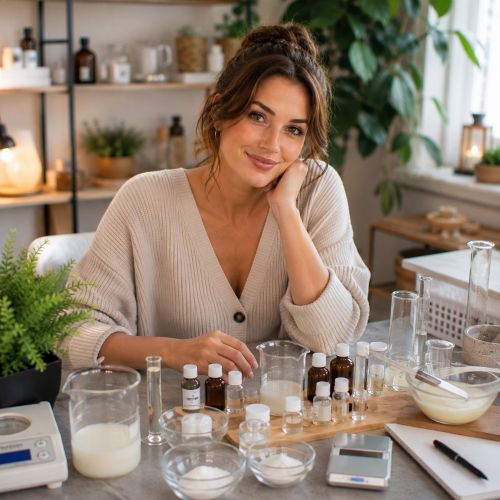
Recipe Third Dermal Barrier Recovery Cream with Copper Tripeptide and Ceramides
A rich restorative cream designed to accelerate cellular repair, reinforce the lipid barrier, and calm irritated skin.
Composition thirty milliliters distilled water four milliliters squalane oil two milliliters copper tripeptide solution two grams Olivem 1000 emulsifier one milliliter ceramide complex one milliliter Geogard 221 eco preservative
Preparation Step first Thoroughly sanitize glass beakers, mixing tools, digital scale, and a jar container with isopropyl alcohol. Step second Measure thirty milliliters of distilled water into the first heat-safe glass beaker. Step third Combine four milliliters of squalane oil and two grams of Olivem 1000 emulsifier in the second heat-safe beaker. Step fourth Heat both beakers in a water bath to seventy degrees Celsius, then blend the two phases with a mini whisk until a smooth cream emulsion forms. Step fifth Allow the cream base to cool completely to thirty degrees Celsius. Step sixth Add one milliliter of ceramide complex, two milliliters of copper tripeptide solution, and one milliliter of Geogard 221 eco preservative, mixing thoroughly after adding each active ingredient. Step seventh Verify that the final pH measures five point eight, then transfer the recovery cream into your sanitized container.
Application Guidelines and Usage Recommendations
Peptide cosmetics require consistent, routine application to achieve cumulative visible results.
Apply peptide serums and creams twice daily, morning and evening, to freshly cleansed and toned skin. Avoid applying peptide formulations simultaneously with products containing high concentrations of direct L-ascorbic acid or alpha hydroxy acids, as acidic residues disrupt peptide stability on the skin surface. Maintain a consistent routine for four to eight weeks to align with the natural cellular renewal cycle of the epidermis.
Storage Conditions and Product Preservation
Peptide chains remain vulnerable to light-induced oxidation and thermal breakdown, necessitating controlled storage conditions.
Store finished products in opaque airless pump containers or amber glass bottles to minimize air exposure and light degradation. Keep formulations in a cool, dry place at stable temperatures between eight and fifteen degrees Celsius, or on the top shelf of a cosmetic refrigerator. Formulated peptide products preserved with broad-spectrum eco systems remain bioactive and micro-biologically stable for two months when kept within recommended temperature boundaries.


Cosmetic ingredients and professional formulation blog
This section features expert materials on modern cosmetic actives. We cover peptides, polynucleotides PDRN, different forms of hyaluronic acid, retinoids, ceramides and other key components.
Special focus is given to active stability, ingredient compatibility and correct incorporation into formulas. You will find practical guides on working with anti-age actives, moisturizing complexes and barrier repair ingredients.
We examine how to properly combine myorelaxants with peptides, common mistakes when using unstable vitamin C forms and ways to improve the performance of moisturizing actives.
Separate materials are dedicated to base oils, extracts, emulsifiers and supporting ingredients. This helps create stable and effective formulas for both professional and home cosmetics.
The blog regularly publishes reviews of trending actives, comparisons of similar ingredients and step-by-step formulation recommendations. The content is aimed at formulators, technologists and anyone seriously involved in creating cosmetic products.
Why this blog is useful
Here you will find practical data on eye area care actives, lifting systems and ingredients that improve skin firmness and tone. We rely on real formulation experience and address the actual challenges that arise during product development.
You can also explore materials on skin protection and repair, depigmentation and anti-inflammatory actives. This approach supports a more systematic selection of ingredients.
FAQ
What topics are covered most often
The blog focuses on peptides, PDRN, hyaluronic acid of different molecular weights, retinoids, ceramides and their compatibility rules.
Are there practical recommendations on how to incorporate actives
Yes, most articles include practical notes on pH stability, incorporation temperature and common formulation mistakes.
Is the content only for professionals
The materials are useful both for formulators and technologists and for those who create cosmetics for personal use and want to understand how modern ingredients work.
Where can I go directly to the ingredients
All key actives are collected in the Actives section, while base components are available in base oils and related categories.