-
 DIY: Video master classes
-
 Aromatherapy
-
 Felting master classes
-
 Eating at home
-
 DIY cosmetics for children
-
 Cooking recipes
-
 Detergents, cleaning products with your own hands
-
 Soap making as a business
-
 Natural cosmetics. Raw materials for cosmetics and soap.
-
 Natural oils in cosmetics
-
 News
-
 Recipes for balms and conditioners
-
 Bath Bomb Recipes
-
 Cream recipes. Cream making.
-
 Lotion recipes. Gel recipes.
-
 Mask recipes
-
 Soap recipes. Base soap. Soap from scratch.
-
 Recipes for all occasions
-
 Natural shampoo recipes
-
 Healthy Nutrition Recipes
-
 Scrub recipes. Massage tiles. Ubtan
-
 DIY candles
-
 Reference materials, questions, tips
-
 Startup - soap production
-
 Hair care. Tips, recipes
-
 Facial skin care. Cleansers.
-
 Body care. Tips, recipes
-
 Photo Reviews
-
 Chocolate Handmade


How does hyaluronic acid speed up healing?
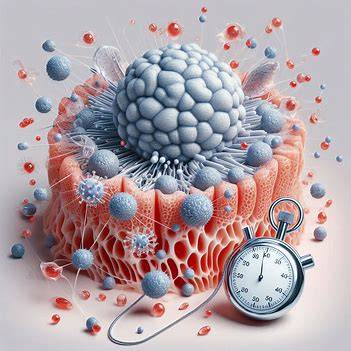 The Healing Touch of Hyaluronic Acid: Unveiling the Science Behind Accelerated Recovery
Hyaluronic acid (HA), a naturally occurring molecule found throughout the body, has become a prominent player in the world of skincare and wound healing. But what exactly makes this ubiquitous substance so effective in accelerating the body's repair process? This article delves into the fascinating science behind hyaluronic acid and its multifaceted role in promoting faster healing.
Understanding Hyaluronic Acid: A Building Block of Life
Hyaluronic acid is a glycosaminoglycan, a type of complex sugar molecule found abundantly in connective tissues, skin, and synovial fluid (lubricating fluid in joints). It acts like a molecular sponge, capable of holding up to 1,000 times its weight in water. This unique property makes HA essential for maintaining skin hydration, plumpness, and elasticity.
However, HA's role goes far beyond aesthetics. Its involvement in wound healing is a testament to its fundamental importance in cellular function. Here's how hyaluronic acid orchestrates the healing cascade:
1. Scaffolding for Cell Migration and Proliferation:
Imagine a construction site. Bricks and mortar are crucial, but they need a framework to build upon. HA provides this very framework for wound healing. It forms a temporary extracellular matrix (ECM), the complex network of molecules that supports and guides cell activity. This scaffold facilitates the migration and proliferation of essential cells like fibroblasts and keratinocytes, which are responsible for collagen synthesis and tissue regeneration.
2. Hydration Hero:
Adequate moisture is vital for optimal cellular function. HA acts as a humectant, attracting and retaining water within the wound bed. This creates a moist environment that promotes cell viability, nutrient delivery, and waste removal – all crucial for efficient healing. Moist wounds heal faster and with less risk of scarring compared to dry wounds.
3. Orchestrator of Growth Factors:
Growth factors are signaling molecules that direct cells towards specific activities during wound healing. HA acts as a reservoir for these growth factors, including epidermal growth factor (EGF) and platelet-derived growth factor (PDGF). By binding to its receptors on cell surfaces, these growth factors stimulate fibroblasts to produce collagen, the building block of healthy skin.
 4. Anti-inflammatory Maestro:
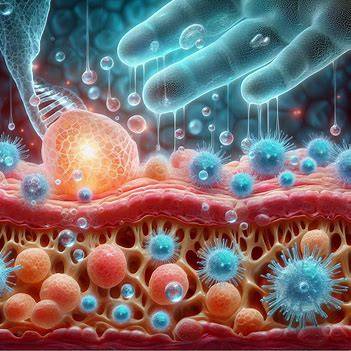
Inflammation is a necessary stage in the healing process, but excessive inflammation can impede recovery. HA helps regulate the inflammatory response by modulating the activity of inflammatory cells and cytokines. By controlling inflammation, HA promotes a more balanced healing environment with less tissue damage.
5. Barrier Function Booster:
The outermost layer of our skin, the stratum corneum, acts as a barrier against environmental insults. HA plays a role in maintaining this barrier by promoting the production of essential components like ceramides and tight junctions. This strengthened barrier reduces the risk of infection and promotes faster wound closure.
6. Free Radical Scavenger:
Free radicals are unstable molecules that can damage cells and hinder healing. HA has been shown to possess some free radical scavenging activity, potentially protecting cells from oxidative stress during wound healing.
Beyond the Basics: Exploring the Diverse Applications of Hyaluronic Acid in Wound Healing
The versatility of hyaluronic acid allows it to be utilized in various forms for wound healing applications:
- Topical Gels and Creams: Directly applied to the wound bed, these formulations deliver concentrated HA to promote hydration, cell migration, and tissue regeneration.
- Dressings and Sponges: Impregnated with HA, these dressings provide a moist environment for healing and may serve as a delivery system for other wound healing agents.
- Injections: Used for deeper wounds or chronic ulcers, hyaluronic acid injections directly target the affected area to stimulate cell activity and tissue repair.
The Science of Size Matters: Molecular Weight and its Impact
Hyaluronic acid molecules come in various sizes, measured by their molecular weight (MW). The size of the HA molecule plays a crucial role in determining its specific functions in wound healing:
- High Molecular Weight (HMW) HA: These larger molecules primarily contribute to hydration and creating a scaffold for cell migration.
- Low Molecular Weight (LMW) HA: Smaller HA fragments are more easily absorbed and can penetrate deeper into the wound bed. They are particularly effective in modulating inflammation and stimulating cell proliferation.
Optimizing Delivery: Considerations for Effective Use of Hyaluronic Acid
While hyaluronic acid offers undeniable benefits for wound healing, certain factors need consideration to ensure its effectiveness:
- Concentration: The optimal concentration of HA depends on the type and severity of the wound. Higher concentrations may be needed for deeper wounds.
- Delivery System: Choosing the most appropriate delivery system (gel, cream, dressing) depends on the specific wound characteristics and patient needs.
- Combination Therapy: Hyaluronic acid can be combined with other wound healing agents, such as antibiotics or growth factors, to achieve a synergistic effect.


Cosmetic ingredients and professional formulation blog
This section features expert materials on modern cosmetic actives. We cover peptides, polynucleotides PDRN, different forms of hyaluronic acid, retinoids, ceramides and other key components.
Special focus is given to active stability, ingredient compatibility and correct incorporation into formulas. You will find practical guides on working with anti-age actives, moisturizing complexes and barrier repair ingredients.
We examine how to properly combine myorelaxants with peptides, common mistakes when using unstable vitamin C forms and ways to improve the performance of moisturizing actives.
Separate materials are dedicated to base oils, extracts, emulsifiers and supporting ingredients. This helps create stable and effective formulas for both professional and home cosmetics.
The blog regularly publishes reviews of trending actives, comparisons of similar ingredients and step-by-step formulation recommendations. The content is aimed at formulators, technologists and anyone seriously involved in creating cosmetic products.
Why this blog is useful
Here you will find practical data on eye area care actives, lifting systems and ingredients that improve skin firmness and tone. We rely on real formulation experience and address the actual challenges that arise during product development.
You can also explore materials on skin protection and repair, depigmentation and anti-inflammatory actives. This approach supports a more systematic selection of ingredients.
FAQ
What topics are covered most often
The blog focuses on peptides, PDRN, hyaluronic acid of different molecular weights, retinoids, ceramides and their compatibility rules.
Are there practical recommendations on how to incorporate actives
Yes, most articles include practical notes on pH stability, incorporation temperature and common formulation mistakes.
Is the content only for professionals
The materials are useful both for formulators and technologists and for those who create cosmetics for personal use and want to understand how modern ingredients work.
Where can I go directly to the ingredients
All key actives are collected in the Actives section, while base components are available in base oils and related categories.



