-
 DIY: Video master classes
-
 Aromatherapy
-
 Felting master classes
-
 Eating at home
-
 DIY cosmetics for children
-
 Cooking recipes
-
 Detergents, cleaning products with your own hands
-
 Soap making as a business
-
 Natural cosmetics. Raw materials for cosmetics and soap.
-
 Natural oils in cosmetics
-
 News
-
 Recipes for balms and conditioners
-
 Bath Bomb Recipes
-
 Cream recipes. Cream making.
-
 Lotion recipes. Gel recipes.
-
 Mask recipes
-
 Soap recipes. Base soap. Soap from scratch.
-
 Recipes for all occasions
-
 Natural shampoo recipes
-
 Healthy Nutrition Recipes
-
 Scrub recipes. Massage tiles. Ubtan
-
 DIY candles
-
 Reference materials, questions, tips
-
 Startup - soap production
-
 Hair care. Tips, recipes
-
 Facial skin care. Cleansers.
-
 Body care. Tips, recipes
-
 Photo Reviews
-
 Chocolate Handmade


Hyaluronic acid in three molecular forms is the secret to intense hydration. Serum recipe.
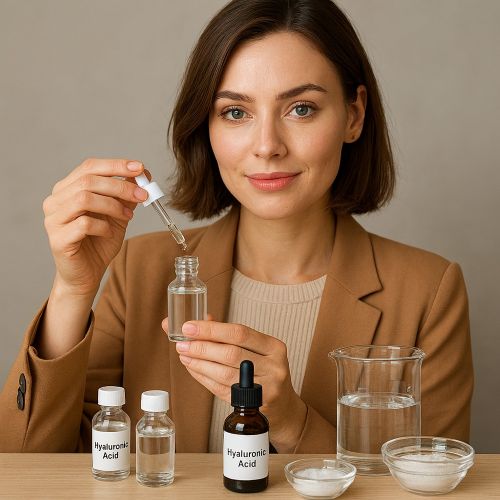 Hyaluronic Acid HA is recognized as the gold standard for skin hydration capable of holding up to 1000 times its weight in water. However applying a single form of HA only provides surface-level moisture. The true secret to achieving intensive multi-layer hydration deep plumping and lasting moisture retention lies in utilizing a synergy of Hyaluronic Acid across three distinct molecular weights.
This article provides a deep dive into the properties of these three HA forms details the nuances of creating your own powerful DIY triple-HA serum and explains why this custom formula offers superior results compared to mass-produced commercial alternatives. Optimized for maximum indexing and readability this guide will revolutionize your approach to skin hydration.
The Science of Molecular Weights and Skin Penetration
Hyaluronic Acid comes in various molecular sizes measured in Daltons Da. The size dictates how deep the molecule can penetrate the skin layers. A comprehensive hydration strategy must include forms that address the skin barrier the mid-dermis and the deepest layers.
The Power of the Triple-HA Strategy
-
1 High Molecular Weight HA HMW 1000-1400 kDa: These are large molecules that remain on the skin surface. They form a breathable protective film that prevents Transepidermal Water Loss TEWL. This provides immediate visible plumping and a smooth soft texture.
-
2 Medium Molecular Weight HA MMW 100-500 kDa: This mid-sized form penetrates slightly deeper into the upper epidermis. It serves as a water reservoir preventing moisture loss and helping to strengthen the skin barrier function over time.
-
3 Low Molecular Weight HA LMW 10-50 kDa: These tiny fragments penetrate to the deeper layers of the dermis. LMW HA is linked to anti-aging benefits such as stimulating the skin's own HA production and potentially reducing inflammation. Caution: Due to their small size LMW forms must be used at lower concentrations to avoid potential irritation.
Recipe 1 The Core Triple-HA Hydration Serum (The Gold Standard)
This foundational formula provides the perfect balance of surface-level protection deep hydration and lasting moisture retention.
Ingredients Needed
-
1 High Molecular Weight HA 1% solution 15 ml
-
2 Medium Molecular Weight HA 1% solution 15 ml
-
3 Low Molecular Weight HA 1% solution 15 ml
-
4 Distilled Water or Hydrosol Floral Water 50 ml
-
5 Preservative such as Liquid Germall Plus 05 grams (Absolutely essential)
-
6 Humectant Booster Glycerin or Propanediol 5 ml
Preparation Nuances
-
Sterilization is Key: Ensure all glassware stirring rods and the final dropper bottle are meticulously cleaned and sterilized with 70% isopropyl alcohol to prevent microbial contamination.
-
Mixing Technique: HA solutions are viscous. Stirring must be slow and gentle to avoid incorporating too much air which can destabilize the mixture and create foam.
Step-by-Step Instructions
-
Step one Pour the Distilled Water or Hydrosol (50 ml) into the sterilized mixing beaker.
-
Step two Add the Humectant Booster Glycerin or Propanediol (5 ml) and stir briefly. This aids in better dispersion of the HA.
-
Step three Carefully measure and add the High Medium and Low Molecular Weight HA solutions (15 ml of each) to the beaker.
-
Step four Stir the mixture very slowly and deliberately for at least three to five minutes until the solution is homogeneous and clear.
-
Step five Add the crucial Preservative (05 grams). Never omit the preservative as this serum is water-based and prone to bacterial growth.
-
Step six Stir for another two minutes ensuring the preservative is fully dissolved and evenly distributed throughout the batch.
-
Step seven Transfer the finished Triple-HA Serum into a sterilized air-tight container preferably with a dropper for hygienic use.
Recipe 2 The Soothing Triple-HA Serum with Botanical Extracts
This recipe integrates the triple-HA strategy with ingredients known for their calming and skin-repairing properties ideal for sensitive or compromised skin.
Ingredients Needed
-
1 Triple HA Base Use the pre-mixed HA blend from Recipe 1 45 ml
-
2 Base Aloe Vera Juice not Gel 50 ml
-
3 Soothing Extract Chamomile or Calendula Extract 3 ml
-
4 Vitamin B5 Panthenol powder or liquid 2 ml
-
5 Preservative 05 grams
Preparation Nuances
-
Temperature Control: Ensure the Aloe Vera Juice and extracts are at room temperature before mixing to maintain the integrity of the HA polymers.
-
Panthenol Integration: If using Panthenol powder dissolve it fully in a small amount of distilled water before adding it to the main batch.
Step-by-Step Instructions
-
Step one Combine the Triple HA Base (45 ml) and the Aloe Vera Juice (50 ml) in the sterilized beaker. Mix slowly.
-
Step two Add the Soothing Extract (3 ml) and the Vitamin B5 Panthenol (2 ml) which enhances barrier repair and deep hydration.
-
Step three Gently stir the entire mixture for several minutes until the solution is smooth and uniform in appearance.
-
Step four Introduce the necessary Preservative (05 grams) ensuring it is thoroughly incorporated into the water-based formula.
-
Step five Label the container with the date and store immediately for the best shelf life.
Detailed Recommendations for Use and Storage
Usage Guide
-
When to Apply: HA works best on damp skin. Apply the serum immediately after cleansing or after using a facial mist or toner to lock that moisture into the skin.
-
Application Technique: Dispense 2-3 drops onto clean fingertips. Gently press or pat the serum into the skin of the face neck and décolletage until absorbed.
-
Follow Up: Always seal the HA serum with an occlusive moisturizer or face oil. If you skip this step the HA might draw moisture out of your skin in dry environments leading to dehydration.
-
Sun Protection: Use a broad-spectrum sunscreen daily especially when focusing on optimal skin health.
Storage and Shelf Life
-
Temperature: Store the serum in a cool dark place ideally the refrigerator at a consistent temperature (4-8°C). This is particularly important for formulas containing LMW HA and extracts.
-
Container: Use airtight opaque glass bottles with a pump or dropper to minimize oxygen exposure and reduce the risk of contamination from dipping fingers.
-
Shelf Life: A properly preserved and refrigerated DIY HA serum has an optimal shelf life of 2 to 3 months. Note the date of preparation and discard any product that changes color scent or consistency.
-
Hygiene: Maintain strict hygiene during preparation and usage never touching the dropper directly to the skin.
Advantages Over Industrial Analogs
Choosing a homemade triple-HA serum offers significant benefits over costly commercial versions:
-
Targeted Concentration Control: Commercial brands rarely disclose the exact ratios or concentrations of the different HA molecular weights. With a DIY formula you control the blend ensuring you receive high enough concentrations of the three forms for maximum efficacy.
-
Purity and Clean Formulation: You eliminate potential irritants found in industrial serums such as cheap fillers synthetic fragrances unnecessary dyes and harsh stabilizers. Your serum is clean focusing solely on hydration and function.
-
Superior Absorption and Efficacy: By combining HMW MMW and LMW HA forms you guarantee that moisture is delivered to all three layers of the epidermis and upper dermis. This multi-level approach results in deeper longer-lasting hydration and plumping than single-form HA products.
-
Cost Savings: While the initial purchase of raw HA powder or solution can be an investment the cost per milliliter of your high-potency triple-HA serum is significantly more affordable than premium products on the market.
This bespoke approach to hydration ensures your skin receives precisely what it needs to maintain a firm plump and healthy appearance.


Cosmetic ingredients and professional formulation blog
This section features expert materials on modern cosmetic actives. We cover peptides, polynucleotides PDRN, different forms of hyaluronic acid, retinoids, ceramides and other key components.
Special focus is given to active stability, ingredient compatibility and correct incorporation into formulas. You will find practical guides on working with anti-age actives, moisturizing complexes and barrier repair ingredients.
We examine how to properly combine myorelaxants with peptides, common mistakes when using unstable vitamin C forms and ways to improve the performance of moisturizing actives.
Separate materials are dedicated to base oils, extracts, emulsifiers and supporting ingredients. This helps create stable and effective formulas for both professional and home cosmetics.
The blog regularly publishes reviews of trending actives, comparisons of similar ingredients and step-by-step formulation recommendations. The content is aimed at formulators, technologists and anyone seriously involved in creating cosmetic products.
Why this blog is useful
Here you will find practical data on eye area care actives, lifting systems and ingredients that improve skin firmness and tone. We rely on real formulation experience and address the actual challenges that arise during product development.
You can also explore materials on skin protection and repair, depigmentation and anti-inflammatory actives. This approach supports a more systematic selection of ingredients.
FAQ
What topics are covered most often
The blog focuses on peptides, PDRN, hyaluronic acid of different molecular weights, retinoids, ceramides and their compatibility rules.
Are there practical recommendations on how to incorporate actives
Yes, most articles include practical notes on pH stability, incorporation temperature and common formulation mistakes.
Is the content only for professionals
The materials are useful both for formulators and technologists and for those who create cosmetics for personal use and want to understand how modern ingredients work.
Where can I go directly to the ingredients
All key actives are collected in the Actives section, while base components are available in base oils and related categories.



