-
 DIY: Video master classes
-
 Aromatherapy
-
 Felting master classes
-
 Eating at home
-
 DIY cosmetics for children
-
 Cooking recipes
-
 Detergents, cleaning products with your own hands
-
 Soap making as a business
-
 Natural cosmetics. Raw materials for cosmetics and soap.
-
 Natural oils in cosmetics
-
 News
-
 Recipes for balms and conditioners
-
 Bath Bomb Recipes
-
 Cream recipes. Cream making.
-
 Lotion recipes. Gel recipes.
-
 Mask recipes
-
 Soap recipes. Base soap. Soap from scratch.
-
 Recipes for all occasions
-
 Natural shampoo recipes
-
 Healthy Nutrition Recipes
-
 Scrub recipes. Massage tiles. Ubtan
-
 DIY candles
-
 Reference materials, questions, tips
-
 Startup - soap production
-
 Hair care. Tips, recipes
-
 Facial skin care. Cleansers.
-
 Body care. Tips, recipes
-
 Photo Reviews
-
 Chocolate Handmade


Hypochloric acid HOCl gel for skin
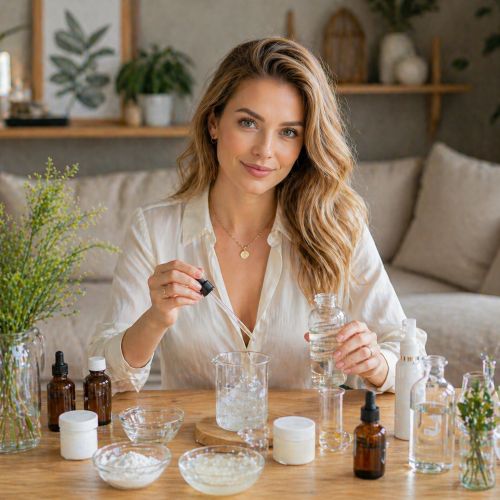 Hypochlorous acid known chemically as HOCl is a naturally occurring molecule produced by the white blood cells of our own immune system to defend the body against pathogens. In the world of modern dermatology HOCl has emerged as a revolutionary ingredient due to its unique ability to eradicate bacteria viruses and fungi while remaining completely biocompatible with human tissue. Unlike traditional disinfectants that can damage healthy cells HOCl acts as a selective antimicrobial agent that promotes healing and reduces inflammation without the sting or irritation associated with alcohol or peroxide.
This article provides an in depth look at the biological mechanisms of hypochlorous acid and offers professional technical guidance for preparing stable gel formulations at home.
Beneficial Properties of Hypochlorous Acid in Dermatology
The primary advantage of HOCl is its incredible efficacy as an antimicrobial agent. It penetrates the cell walls of pathogens within seconds causing them to collapse and die. This makes it an ideal treatment for acne as it targets the bacteria responsible for breakouts without disrupting the natural skin microbiome. Because HOCl is naturally produced by the human body it is recognized as a self molecule making it safe for the most sensitive skin types including those suffering from eczema or rosacea.
Beyond its cleansing properties HOCl is a powerful anti inflammatory. It helps to calm redness and itching by inhibiting the release of pro inflammatory cytokines. This property is particularly beneficial for post procedure care after chemical peels or laser treatments where the skin is compromised and vulnerable to infection. Furthermore HOCl accelerates the migration of skin cells to the site of an injury significantly speeding up the regeneration of the skin barrier.
Advantages of Handcrafted HOCl Gel Over Industrial Analogs
Most commercial HOCl products are sold as liquid sprays which evaporate quickly and may not provide enough contact time for severe skin conditions. By creating a gel formulation you ensure that the active HOCl remains in contact with the skin for an extended period providing a sustained therapeutic effect. This is especially useful for treating deep cystic acne or persistent inflammatory patches where a liquid spray would be insufficient.
Handcrafting your own gel also allows you to control the purity of the ingredients. Many industrial HOCl products contain high levels of sodium chloride which can leave a drying salty residue on the skin. By formulating at home you can use stabilized HOCl solutions with lower salt content and combine them with inert gelling agents that enhance skin comfort. This customization ensures a high performance medical grade product without the unnecessary fillers or marketing markups found in retail versions.
Technical Nuances of Formulating Stable HOCl Gels
The greatest challenge in working with hypochlorous acid is its inherent instability. HOCl is a highly reactive molecule that can quickly degrade into salt water if it comes into contact with organic materials or if the pH of the solution shifts. Therefore it is critical to use a pre stabilized HOCl solution typically produced through specialized electrolysis as your starting base.
The choice of thickener is the most important technical detail. Traditional organic gelling agents like xanthan gum or carbomers will immediately react with the active chlorine in the HOCl causing the gel to fail and the acid to lose its potency. To maintain stability you must use inorganic thickeners such as magnesium aluminum silicates or specialized synthetic polymers that are resistant to oxidation. The final pH must be strictly maintained between five point zero and six point zero to ensure the HOCl remains in its most active and stable form.
Recipe One Basic Antimicrobial Gel for Acne Prone Skin
A simple and effective formula designed for daily use to keep skin clear and prevent new breakouts.
Composition Eighty milliliters stabilized HOCl solution at two hundred parts per million Fifteen milliliters distilled water Five grams magnesium silicate gelling agent One milliliter high purity vegetable glycerin
Preparation Step one Sanitize all glass beakers stirring rods and containers with a medical grade disinfectant. Step two Mix the distilled water and vegetable glycerin in a clean beaker until uniform. Step three Slowly sprinkle the magnesium silicate thickener over the liquid while stirring continuously until a smooth clear gel base forms. Step four Very gently pour the stabilized HOCl solution into the gel base. Step five Stir slowly with a glass rod for several minutes ensuring the HOCl is fully integrated without using high shear force. Step six Verify that the pH is approximately five point five using a calibrated digital meter. Step seven Transfer the finished gel into a light proof airless pump bottle to preserve activity.
Recipe Two SOS Repair Gel for Compromised and Damaged Skin
A specialized formula focused on rapid healing and soothing for skin that has been burnt or mechanically damaged.
Composition Seventy milliliters stabilized HOCl solution Ten milliliters pure aloe vera juice filtered Three grams inert silicate thickener Ten milliliters distilled water One milliliter liquid panthenol vitamin B5
Preparation Step one Ensure a sterile workspace and all measuring equipment is precision calibrated. Step two Combine the distilled water panthenol and aloe vera juice in a glass beaker. Step three Add the silicate thickener and whisk gently until a thick uniform gel texture is achieved. Step four Gradually add the HOCl solution in small portions stirring slowly after each addition. Step five Monitor the gel consistency to ensure it remains smooth and free of any particulate matter. Step six If necessary adjust the viscosity by adding a very small amount of additional HOCl solution. Step seven Package the repair gel in a vacuum dispenser to prevent any contact with air or light.
Recipe Three Cooling Post Procedure Gel for Instant Relief
Designed to remove heat and swelling following intense cosmetic treatments such as peels or microneedling.
Composition Ninety milliliters stabilized HOCl solution Four grams chlorine resistant polymer thickener Five milliliters distilled water Zero point five grams menthol dissolved in a minimal amount of propanediol
Preparation Step one Disinfect all glass tools and containers before beginning the formulation. Step two Mix the water with the dissolved menthol to provide the base for the cooling sensation. Step three Add the polymer thickener to the water mixture and stir until the polymer is fully hydrated and thick. Step four Slowly introduce the HOCl solution into the thickened base while maintaining a steady stirring motion. Step five Continue mixing for several minutes until the gel is perfectly homogeneous. Step six Keep the mixture at room temperature throughout the process to prevent the breakdown of the HOCl. Step seven Transfer the gel to a dark glass bottle and store in a cool place to enhance the cooling effect.
Recommendations for Professional Application and Layering
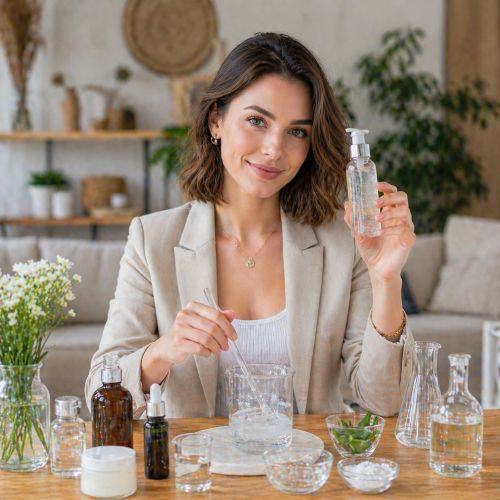
HOCl gel should always be applied to clean and dry skin. It is essential not to mix it in your palms with other skincare products especially those containing Vitamin C or Retinoids as the HOCl can neutralize these actives. Apply a thin layer of the gel to the affected areas or the entire face and allow it to dry completely.
Upon application you may notice a faint scent of chlorine which is a normal indicator of the acid activity and will dissipate in seconds. Once the gel is fully absorbed you can proceed with your standard moisturizer. For acute inflammation or acne use the gel two to three times daily. Because HOCl is non toxic and non irritating it can be used on open skin or mucous membranes without any adverse effects.
Guidelines for Proper Storage and Maintaining Stability
Hypochlorous acid is extremely sensitive to UV light and heat. Exposure to direct sunlight will cause the HOCl to break down into water and salt rendering the gel useless. Therefore always store your HOCl gel in opaque containers that block all light. A cool cupboard or a dedicated skincare refrigerator is the ideal location for storage.
The shelf life of a handcrafted HOCl gel is generally one to three months depending on the purity of the environment during preparation. If you notice the gel becoming watery or if the characteristic scent disappears it is a sign that the active chlorine has degraded and the product should be discarded. Using airless pump dispensers is highly recommended as they protect the gel from organic contaminants in the air and on your hands ensuring the product remains potent until the last drop.


Cosmetic ingredients and professional formulation blog
This section features expert materials on modern cosmetic actives. We cover peptides, polynucleotides PDRN, different forms of hyaluronic acid, retinoids, ceramides and other key components.
Special focus is given to active stability, ingredient compatibility and correct incorporation into formulas. You will find practical guides on working with anti-age actives, moisturizing complexes and barrier repair ingredients.
We examine how to properly combine myorelaxants with peptides, common mistakes when using unstable vitamin C forms and ways to improve the performance of moisturizing actives.
Separate materials are dedicated to base oils, extracts, emulsifiers and supporting ingredients. This helps create stable and effective formulas for both professional and home cosmetics.
The blog regularly publishes reviews of trending actives, comparisons of similar ingredients and step-by-step formulation recommendations. The content is aimed at formulators, technologists and anyone seriously involved in creating cosmetic products.
Why this blog is useful
Here you will find practical data on eye area care actives, lifting systems and ingredients that improve skin firmness and tone. We rely on real formulation experience and address the actual challenges that arise during product development.
You can also explore materials on skin protection and repair, depigmentation and anti-inflammatory actives. This approach supports a more systematic selection of ingredients.
FAQ
What topics are covered most often
The blog focuses on peptides, PDRN, hyaluronic acid of different molecular weights, retinoids, ceramides and their compatibility rules.
Are there practical recommendations on how to incorporate actives
Yes, most articles include practical notes on pH stability, incorporation temperature and common formulation mistakes.
Is the content only for professionals
The materials are useful both for formulators and technologists and for those who create cosmetics for personal use and want to understand how modern ingredients work.
Where can I go directly to the ingredients
All key actives are collected in the Actives section, while base components are available in base oils and related categories.



