-
 DIY: Video master classes
-
 Aromatherapy
-
 Felting master classes
-
 Eating at home
-
 DIY cosmetics for children
-
 Cooking recipes
-
 Detergents, cleaning products with your own hands
-
 Soap making as a business
-
 Natural cosmetics. Raw materials for cosmetics and soap.
-
 Natural oils in cosmetics
-
 News
-
 Recipes for balms and conditioners
-
 Bath Bomb Recipes
-
 Cream recipes. Cream making.
-
 Lotion recipes. Gel recipes.
-
 Mask recipes
-
 Soap recipes. Base soap. Soap from scratch.
-
 Recipes for all occasions
-
 Natural shampoo recipes
-
 Healthy Nutrition Recipes
-
 Scrub recipes. Massage tiles. Ubtan
-
 DIY candles
-
 Reference materials, questions, tips
-
 Startup - soap production
-
 Hair care. Tips, recipes
-
 Facial skin care. Cleansers.
-
 Body care. Tips, recipes
-
 Photo Reviews
-
 Chocolate Handmade


Shower Gel "Forest Walk": Recipe and Instructions
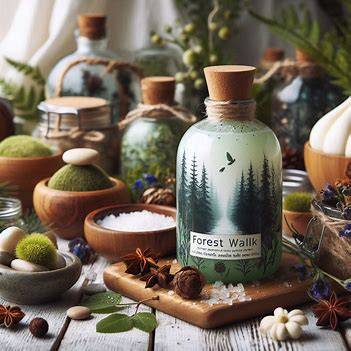
Indulge your senses in the tranquility of a forest with our homemade shower gel, "Forest Walk." This DIY recipe combines the invigorating scents of pine, cedar, and eucalyptus to create a spa-like experience right in your shower. Let's embark on this aromatic journey together!
Ingredients:
- Clear base gel (SLS or SLES-free)
- Distilled water
- Vegetable glycerin
- Sodium lactate
- Essential oils: pine, cedarwood, eucalyptus
- Preservative (optional, for commercial use)
- Colorant (optional)
Equipment:
- Large mixing bowl
- Measuring cups and spoons
- Small funnel
- Empty shower gel bottles
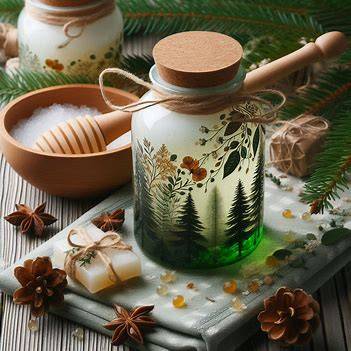 Instructions:
-
Preparation:
- Sanitize all equipment to prevent contamination.
- Prepare your workspace by covering it with newspaper or a disposable tablecloth.
-
Create the Base:
- In a large mixing bowl, combine the clear base gel and distilled water. Stir until the mixture is smooth and homogenous.
- Add vegetable glycerin and sodium lactate. These ingredients help to moisturize and condition the skin. Stir well to incorporate.
-
Add Essential Oils:
- Carefully measure and add the essential oils: pine, cedarwood, and eucalyptus. The ratio of essential oils to base gel depends on your desired fragrance intensity. Start with a small amount and adjust to taste.
- Stir gently to distribute the oils evenly throughout the mixture.
-
Optional Enhancements:
- For a touch of color, add a small amount of cosmetic colorant. Mix thoroughly until the color is evenly distributed.
- If you plan to sell your shower gel, add a preservative to extend its shelf life. Follow the preservative manufacturer's instructions carefully.
-
Filling the Bottles:
- Let the shower gel mixture stand for a few hours to allow the essential oils to disperse evenly.
- Using a funnel, carefully pour the shower gel into empty shower gel bottles.
-
Labeling:
- Attach labels to the bottles with product information, such as ingredients and usage instructions.
Tips for Success:
- Patch test: Before using the shower gel on a large area, test it on a small patch of skin to check for allergies or irritations.
- Essential oil quality: Use high-quality essential oils for the best fragrance experience.
- Storage: Store the shower gel in a cool, dark place away from direct sunlight.
Enjoy your homemade "Forest Walk" shower gel!
Additional Notes:
- For a more luxurious experience, consider adding natural extracts like aloe vera or chamomile to your shower gel.
- Experiment with different combinations of essential oils to create your unique fragrance.
- Always follow safety guidelines when handling essential oils and preservatives.
Would you like to explore other shower gel recipes or learn about natural alternatives to some of the ingredients?


Cosmetic ingredients and professional formulation blog
This section features expert materials on modern cosmetic actives. We cover peptides, polynucleotides PDRN, different forms of hyaluronic acid, retinoids, ceramides and other key components.
Special focus is given to active stability, ingredient compatibility and correct incorporation into formulas. You will find practical guides on working with anti-age actives, moisturizing complexes and barrier repair ingredients.
We examine how to properly combine myorelaxants with peptides, common mistakes when using unstable vitamin C forms and ways to improve the performance of moisturizing actives.
Separate materials are dedicated to base oils, extracts, emulsifiers and supporting ingredients. This helps create stable and effective formulas for both professional and home cosmetics.
The blog regularly publishes reviews of trending actives, comparisons of similar ingredients and step-by-step formulation recommendations. The content is aimed at formulators, technologists and anyone seriously involved in creating cosmetic products.
Why this blog is useful
Here you will find practical data on eye area care actives, lifting systems and ingredients that improve skin firmness and tone. We rely on real formulation experience and address the actual challenges that arise during product development.
You can also explore materials on skin protection and repair, depigmentation and anti-inflammatory actives. This approach supports a more systematic selection of ingredients.
FAQ
What topics are covered most often
The blog focuses on peptides, PDRN, hyaluronic acid of different molecular weights, retinoids, ceramides and their compatibility rules.
Are there practical recommendations on how to incorporate actives
Yes, most articles include practical notes on pH stability, incorporation temperature and common formulation mistakes.
Is the content only for professionals
The materials are useful both for formulators and technologists and for those who create cosmetics for personal use and want to understand how modern ingredients work.
Where can I go directly to the ingredients
All key actives are collected in the Actives section, while base components are available in base oils and related categories.



